You are here
Why do earthquakes and volcanoes happen at the plate boundaries?
What do moving plates produce at their boundaries?
Moving plates
meet at boundaries
1. Earthquakes
The ground shakes
Rock suddenly slips
Example:
Bhuj, Gujarat (2001)
2. Volcanoes
Hot molten rock erupts
Lava reaches the surface
Example:
Baratang mud volcano
- Plate boundaries are the weak lines of the Earth.
- Here plates collide, split or slide past each other.
- That is where the ground breaks and shakes — an earthquake .
- That is also where molten rock escapes — a volcano .
- So both cluster along the boundaries, not just anywhere.
![2.4 Earthquakes, Volcanoes and t - Shaping of the Earth’s - [Teachoo] - Concepts](https://cdn.teachoo.com/a2e4a526-fcfb-42f0-bccd-cd88c13f19b4/fig.-2.4-distribution-map-showing-belts-of-earthquakes-and-volcanoes-around-the-world-especially-near-plate-boundaries..jpg)
Fig. 2.4 — Belts of earthquakes and volcanoes around the world
What is the Ring of Fire?
What does the name “Ring of Fire” mean?
Ring
a curved belt
of Fire
volcanoes & quakes
↓
A horseshoe-shaped belt around the Pacific Ocean packed with earthquakes and volcanoes.
- The Pacific Ocean is circled by plate boundaries.
- This circle is called the Ring of Fire .
- It holds most of the world’s active volcanoes.
- Most large earthquakes happen here too.
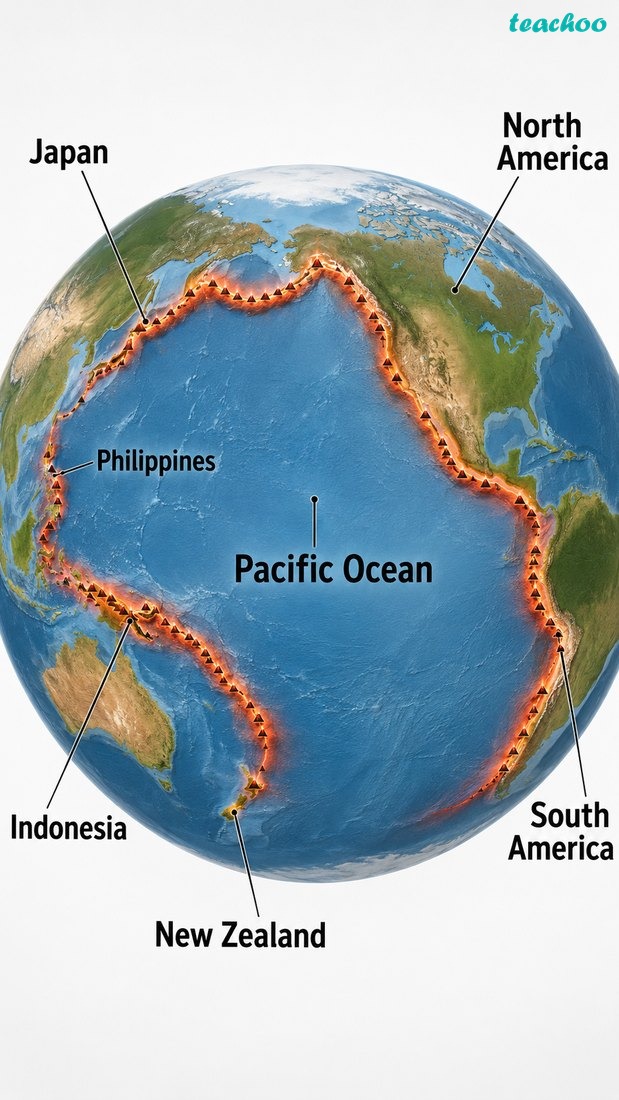
The Ring of Fire — the horseshoe-shaped belt around the Pacific Ocean
Does India face any earthquake risk?
Example — The Bhuj Earthquake, 2001
- In 2001, a strong earthquake hit Bhuj in Kutch, Gujarat.
- Thousands of buildings collapsed.
- It caused great loss of life and property.
- It shows India does face a real earthquake risk.
- The Indian plate keeps pushing into the Eurasian plate.
- This makes the Himalayan belt and north-west India earthquake-prone .
- So some Indian regions must always stay prepared .
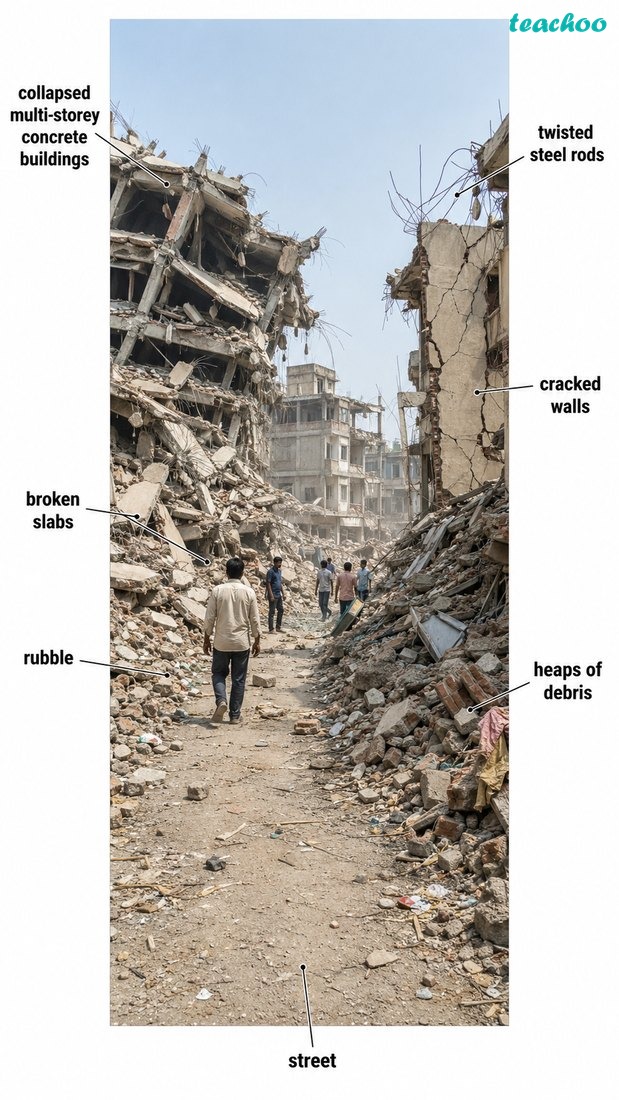
Fig. 2.5 — Damage caused by the Bhuj earthquake, Gujarat (2001)
What is a volcano, and what is a mud volcano?
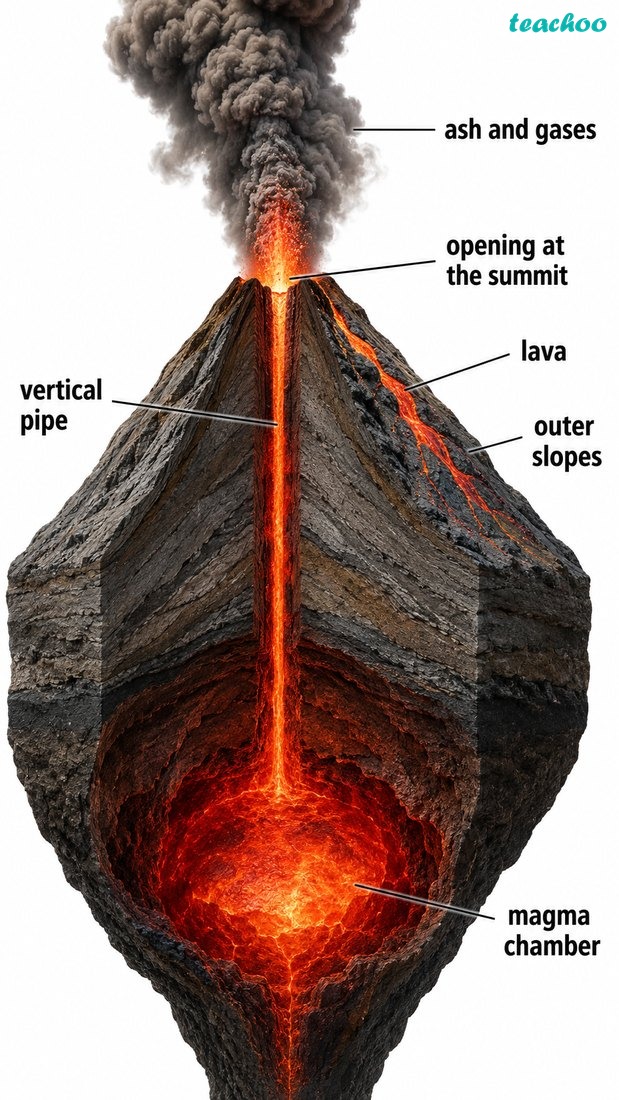
What is a volcano?
Vent
an opening
+ Magma
molten rock
↓
An opening in the crust through which molten rock, ash and gases reach the surface.
Inside a volcano — magma chamber, vent, lava, ash and gases
- A volcano throws out lava, ash and gas.
- Some volcanoes instead push out bubbling mud .
- These are called mud volcanoes .
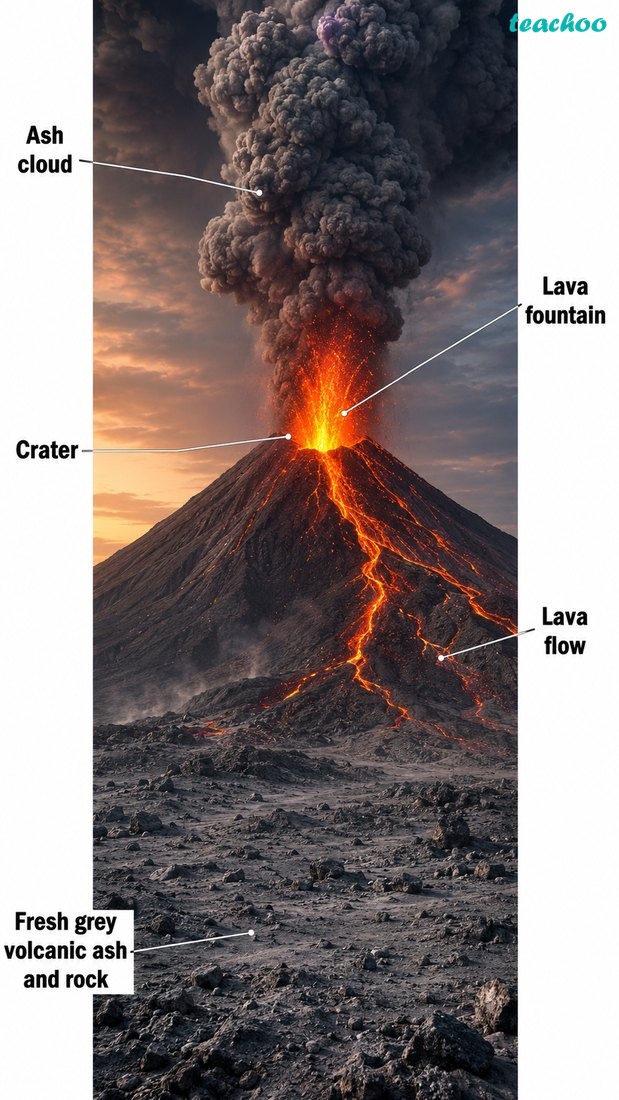
Fig. 2.6 — A volcanic eruption, throwing out lava and ash
📜 Don’t Miss Out
Long ago,
Varāhamihira
, in his
Bṛihatsaṁhitā
, wrote about the signs of an earthquake (
bhkampa
) — showing how keenly Indians observed the Earth’s movements.
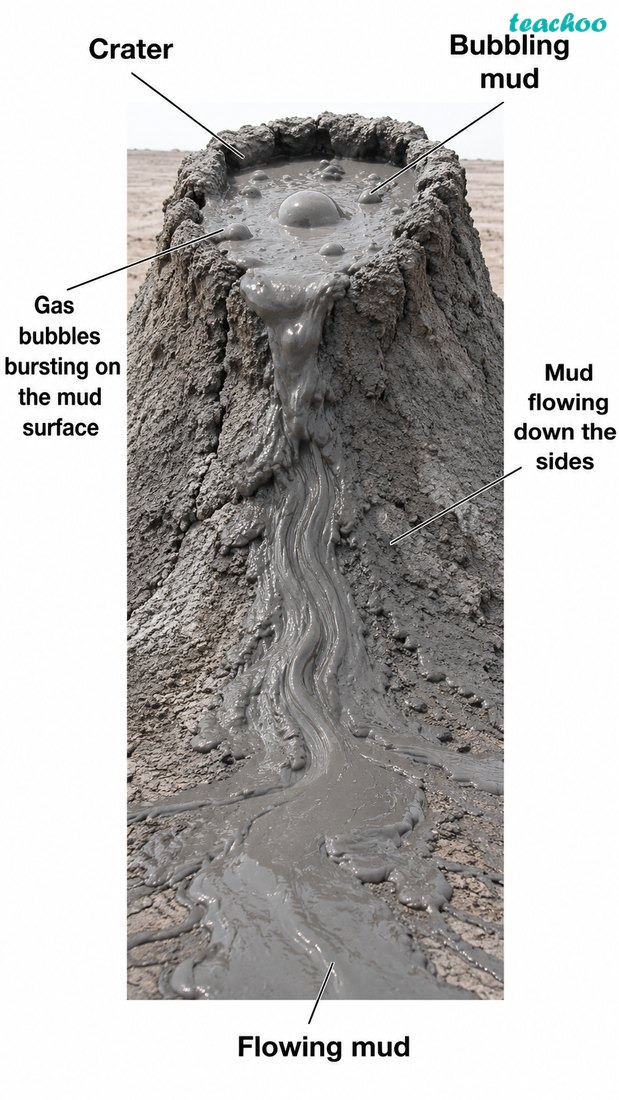
Fig. 2.7 — A mud volcano, pushing out bubbling mud instead of lava
📜 Don’t Miss Out
The
mud volcano at Baratang Island
is a rare natural wonder in the Andaman and Nicobar Islands. Instead of fiery lava, mud bubbles out because of natural underground gases and pressure.
📝 What Have We Learned
- Earthquakes and volcanoes mostly occur along plate boundaries .
- The busiest belt is the Ring of Fire around the Pacific.
- India, near the pushing Indian plate, faces real earthquake risk (Bhuj, 2001).
- A volcano lets molten rock escape; a mud volcano (Baratang) pushes out mud.
Related NCERT Questions — try them now
NCERT Question 3 — Why and where do earthquakes occur
Why and where do earthquakes occur frequently? Is it possible to predict earthquakes?
NCERT Question 4 — Plate movements are responsible for
“Plate movements are responsible for the distribution of earthquakes and volcanoes.” Explain.
NCERT Question 10 — What precautionary measures will you take
What precautionary measures will you take if you are staying in an earthquake-prone region?