You are here
Now that we know Earth’s layers, what exactly is a tectonic plate?
Tectonic Plate
Tectonic
related to crust- building forces
Plate
a large flat slab of rock
↓
A large, rigid slab of the Earth's crust and upper mantle that moves slowly over the mantle below it.
- A tectonic plate is a rigid slab.
- It is part of the lithosphere — crust and upper mantle.
- The lithosphere breaks into several such plates.
- They move slowly over the asthenosphere beneath them.
![2.2 Plate Tectonics - Shaping of the Earth’s Surface - [Teachoo] - Concepts](https://cdn.teachoo.com/8119009e-773b-441e-8944-afb221d6b3b0/a-single-tectonic-plate-shown-as-a-rigid-slab-of-lithosphere-resting-on-the-softer-asthenosphere-no-text..jpg)
A tectonic plate — a rigid slab of lithosphere resting on the asthenosphere
Are all tectonic plates the same kind?
What are the three plate types?
Tectonic Plates
three main types
1. Continental plates
Carry continents
Thicker crust
Example:
African Plate
2. Oceanic plates
Carry ocean floors
Thinner crust
Example:
Pacific Plate
3. Mixed plates
Carry land and ocean
Both crust types
Example:
Indian Plate
| Continental | Oceanic | Mixed |
|---|---|---|
| Meaning: Carries the continents (land) | Meaning: Carries the ocean floors | Meaning: Carries both land and ocean floor |
| Example: African Plate | Example: Pacific Plate | Example: Indian Plate |
| Crust: thick continental crust (about 30 km) | Crust: thin oceanic crust (about 5 km) | Crust: a mix of both types |
- There are three main types of plates.
- Continental plates carry continents.
- Oceanic plates carry ocean floors.
- Mixed plates carry both.
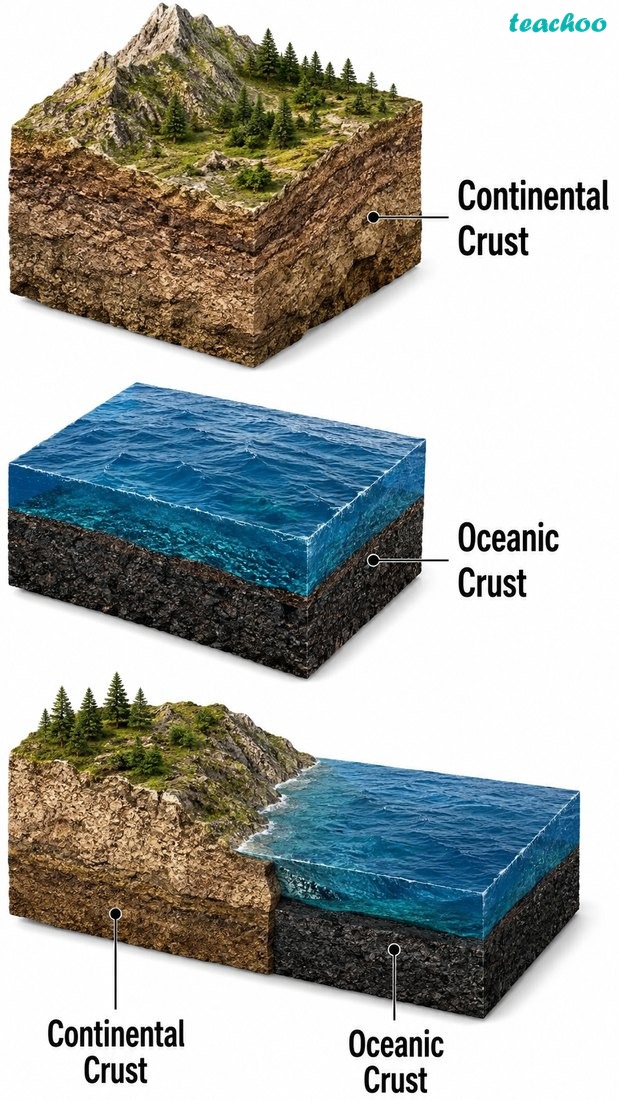
The three types of plates — continental, oceanic and mixed
Which are the major plates of the world?
| Plate | What It Carries |
|---|---|
| Pacific Plate | The largest plate; mostly ocean floor |
| Eurasian Plate | Europe and most of Asia |
| African Plate | The African continent |
| North American Plate | North America |
| South American Plate | South America |
| Indo-Australian Plate | India and Australia |
| Antarctic Plate | Antarctica |
- Major plates include the Pacific and Eurasian plates.
- They also include the African and North American plates.
- South American , Indo-Australian and Antarctic plates are major too.
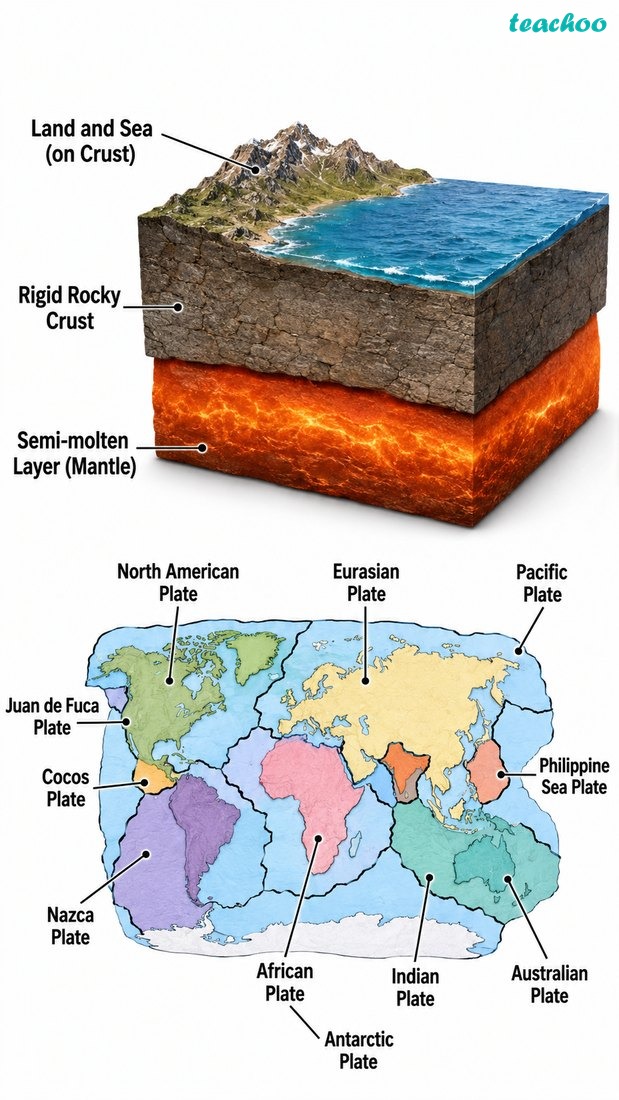
Fig. 2.3 — The major tectonic plates of the world
⚠️ Common Mistake
A
plate
is not the same as a
continent
. A plate is a slab of crust and mantle. It can carry a continent, an ocean floor, or both — a continent just sits on top of part of one.
If plates rest on a semi-molten layer, what actually makes them move?
Convection Current
Convection
heat moving through a fluid
Current
a flow in one direction
↓
A looping flow of heat in the mantle that pushes tectonic plates.
How does heat inside the Earth move the plates?
Heat rises from the Earth's core
↓
Hot mantle material rises up
↓
Cooler material sinks back down
↓
This looping motion pushes tectonic plates.
- Plate movement is caused by convection currents .
- These currents form in the mantle .
- Heat from the Earth’s core makes material rise .
- Cooler material then sinks back down.
- This looping movement pushes and pulls the plates.
- Plates move in different directions because of it.
- Tectonic plates are massive slabs of solid rock .
- They move only a few centimetres each year.
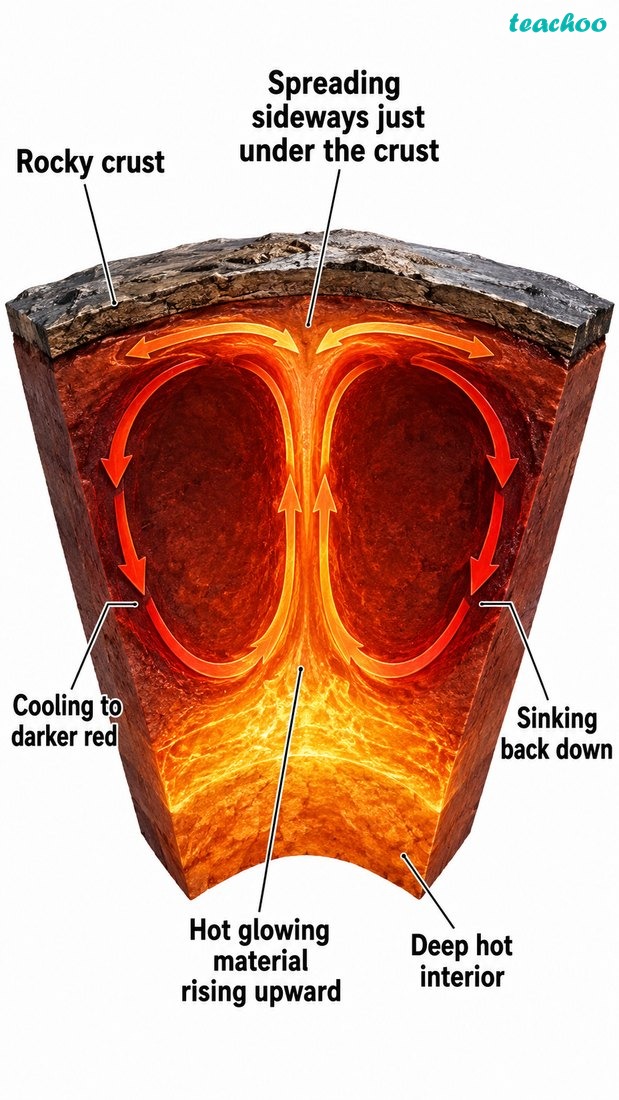
Fig. 2.2 — Convection currents in the mantle push the plates above
Definition — Convection Current
A continuous, looping movement in the mantle.
Hot material rises, cool material sinks.
Heat from the Earth’s core causes it.
Hot material rises, cool material sinks.
Heat from the Earth’s core causes it.
🗺️ LET’S MAP
Pick any two plates from the map above (Fig. 2.3) and complete the table given below.
How do you complete the LET'S MAP table?
Step 1
Pick any two plates from the world map
↓
Step 2
Find which continents each plate carries
↓
Step 3
Find which ocean each plate carries
↓
Result: a completed plate / continents / ocean table.
| Name of the Plate | Continents | Ocean |
|---|---|---|
| Indo-Australian Plate | India, Australia | Indian Ocean |
| North American Plate | North America (part) | Arctic Ocean, part of Atlantic Ocean |
📝 What Have We Learned
- A tectonic plate is a rigid slab of crust and upper mantle.
- Plates can be continental , oceanic or mixed.
- The Pacific, Eurasian and African plates are among the major ones.
- Convection currents in the mantle push the plates.
- Heat rises, cools, sinks, and this looping motion moves plates.
Related NCERT Questions — try them now
NCERT Question 1 — What are the sources of energy
What are the sources of energy that are required to cause movements associated with the internal forces of the Earth?
NCERT Question 2 — Relate various physiographic divisions
Relate various physiographic divisions you have studied in the earlier grades with various endogenic forces responsible for their origin.