
 You are here
What are the levels of organisation in a living body?
![2.2 What Are the Levels of Organ - The Invisible Living W - [Teachoo] - Concepts](https://cdn.teachoo.com/e63c1c7e-a1ed-40e7-8fb4-8ecc1c74f4b6/image-a-step-by-step-diagram-showing-muscle-cells-forming-muscle-tissue-forming-the-stomach-which-is-part-of-the-digestive-system-which.webp)
How is a living body built up, level by level?
Cell
The basic unit of life
↓
Tissue
A group of similar cells
↓
Organ
Tissues doing a major job
↓
Organ System
Organs working together
↓
Organism (the whole living body)
| Level | Example in the human body |
|---|---|
| Cell | Muscle cell |
| Tissue | Muscle tissue |
| Organ | Stomach |
| Organ system | Digestive system |
| Organism | The whole human being |
Cell
Tissue
Organ
Organ System
Organism
- The levels are cell, tissue, organ, organ system and organism.
- Each level is built from the one below it.
What is a tissue?
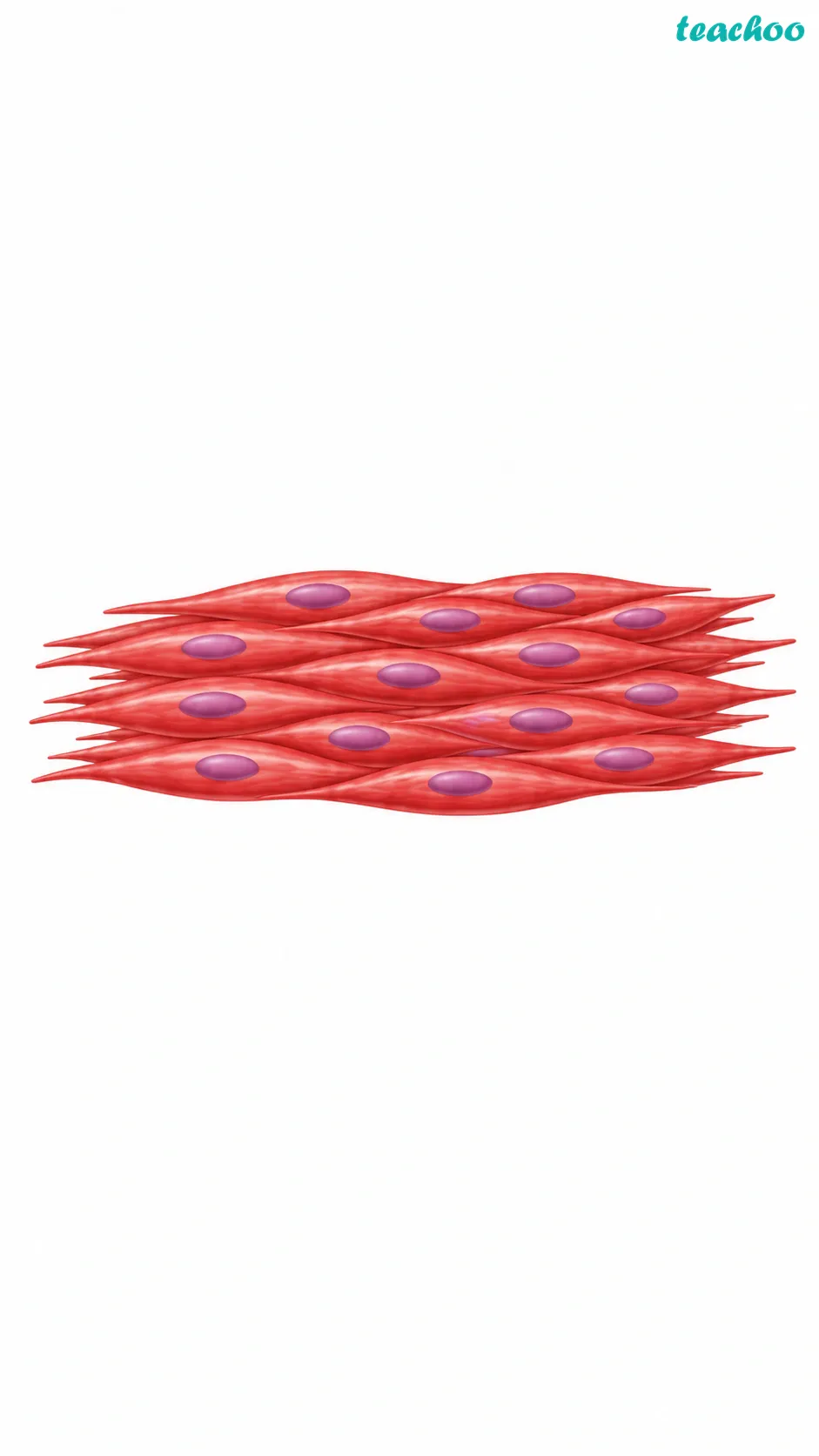
Tissue
A group
of similar cells
One job
they all do the same work together
↓
A tissue is a group of similar cells that do one job together.
A TISSUE
Group of similar cells doing
one same work together
- A tissue is a group of similar cells.
- They all do one job together.
What is an organ?
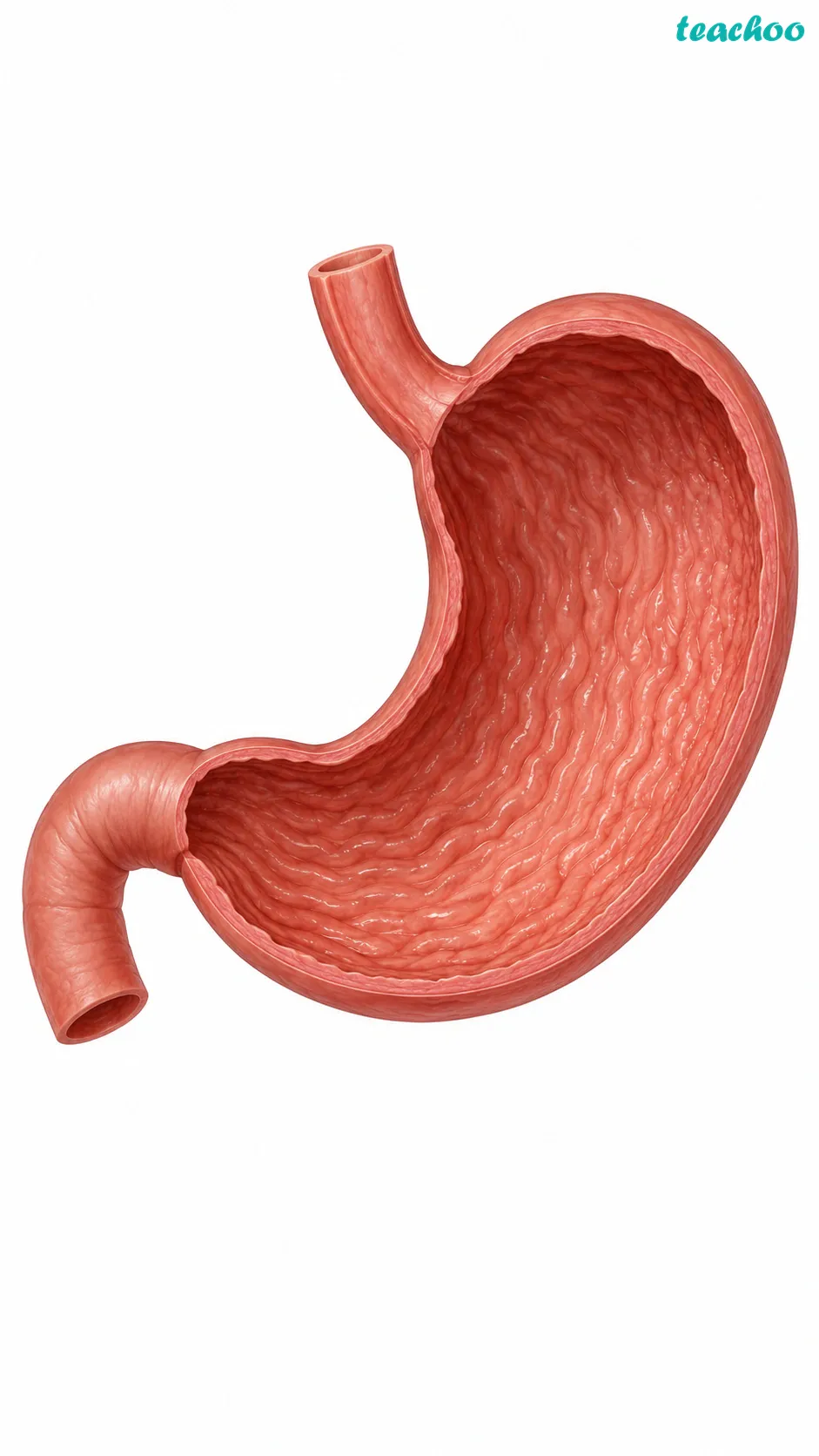
Organ
Different tissues
working together
As one body part
to do one job
↓
An organ is made of different tissues that work together.
| Organ | Tissues that build it |
|---|---|
| Stomach | Muscle tissue, lining tissue, gland tissue |
| Heart | Muscle tissue and covering tissue |
AN ORGAN
Made of different tissues
- An organ is made of different tissues.
- The tissues are organised to work together.
What is an organ system?
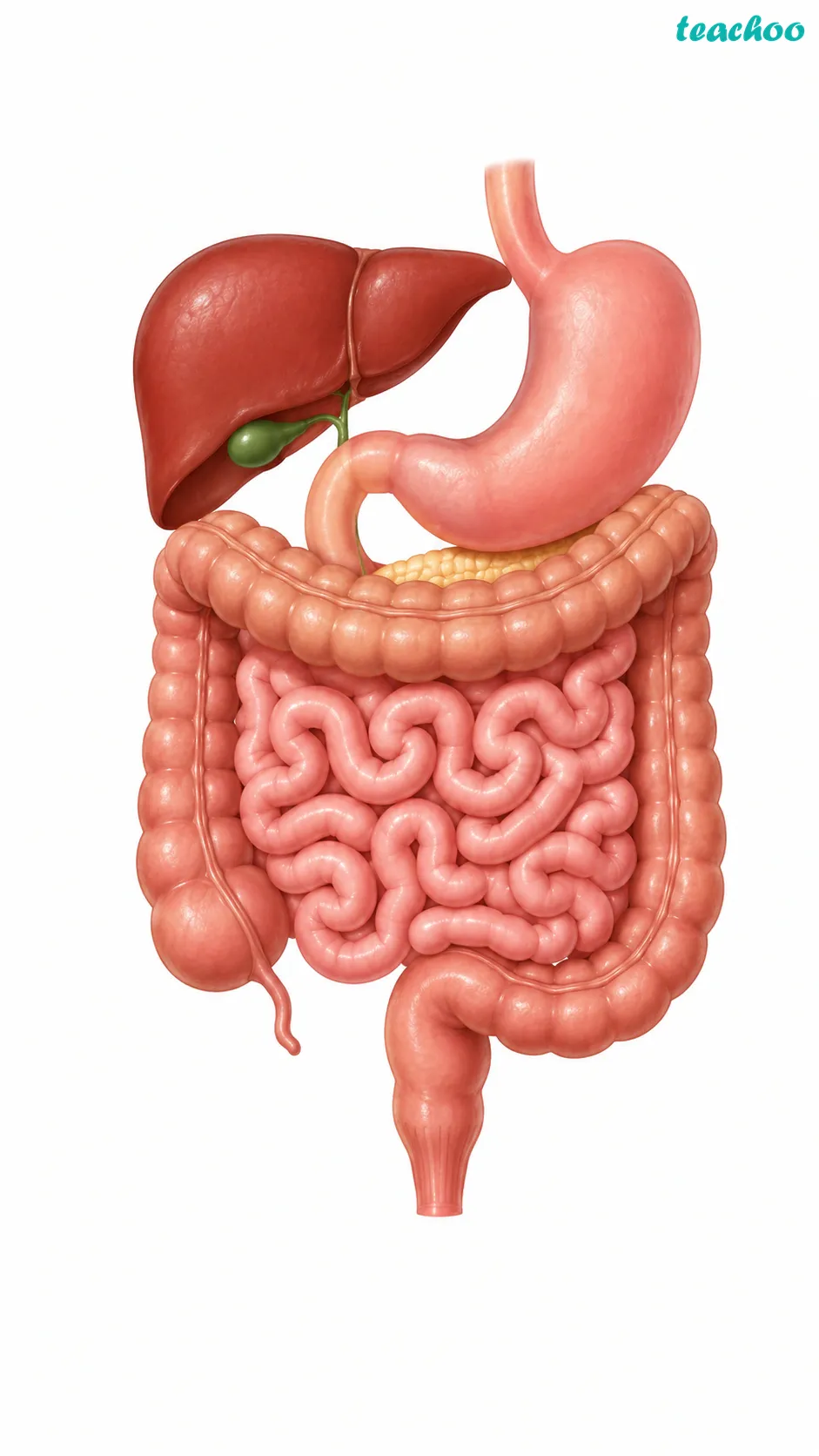
Organ system
Several organs
working together
One major function
done as a team
↓
An organ system is several organs working together.
| Organ system | Organs that work in it |
|---|---|
| Digestive system | Mouth, food pipe, stomach, intestine |
AN ORGAN SYSTEM
Several organs working together
- An organ system is several organs working together.
- Together they carry out one major function of the body.
Where does a complex organism’s life begin?
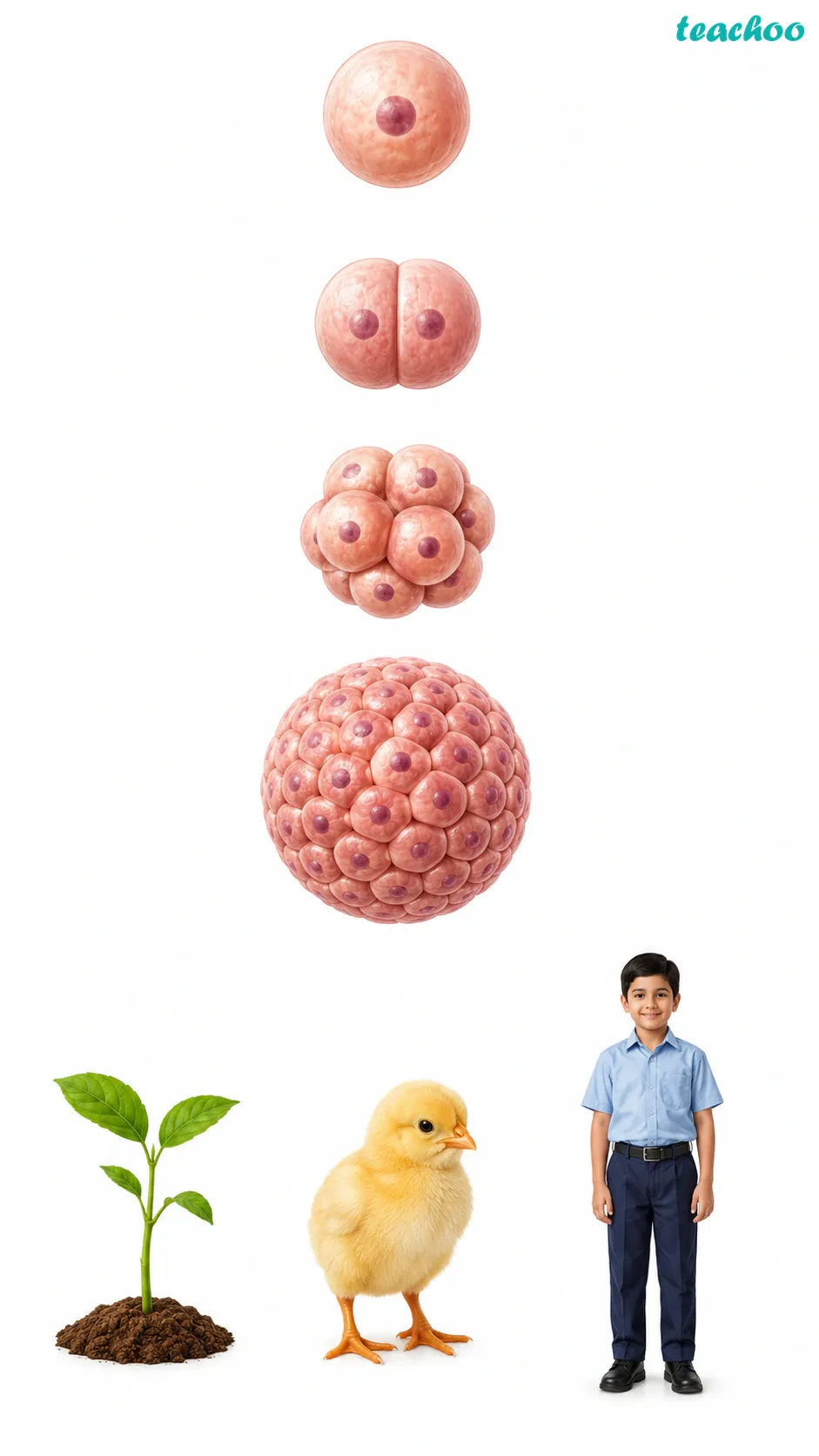
Where does a complex organism's life begin?
A single cell
The egg, where life begins
↓
It divides again and again
One cell becomes many
↓
The many cells together build the
tissues
, which build the
organs
and
organ systems
, which make the
whole body
.
- Life begins from a single cell — the egg.
- It divides again and again to build the whole body.
✅ Test Yourself
-
Arrange smallest → largest: organ / cell / organism / tissue / organ system.
View Answer
Cell → tissue → organ → organ system → organism. -
A group of similar cells forms a ______.
View Answer
Tissue. -
Life of a complex organism begins from a single ______.
View Answer
Cell (the egg).
🎉 Ever heard of ...
- The yolk of an ostrich egg is a single cell.
- It is the largest known cell in the living world.
- It measures about 130–170 mm across.
📖 Important Definitions
- Tissue — A group of similar cells working together.
- Organ — Different tissues organised to do a major job.
- Organ system — Several organs working together for a major function.
- Multicellular organism — A living being made up of many cells.
📝 Summary - What we have learnt
- The levels are cell → tissue → organ → organ system → organism.
- A tissue is a group of similar cells.
- A complex organism begins as a single cell (the egg) that divides.

