What are Hot Air Balloons and Gliders?

They are aircraft that use rising warm air currents called thermals for flight .

Key Facts and Examples
  • Hot air balloons use heated air inside balloon to rise .
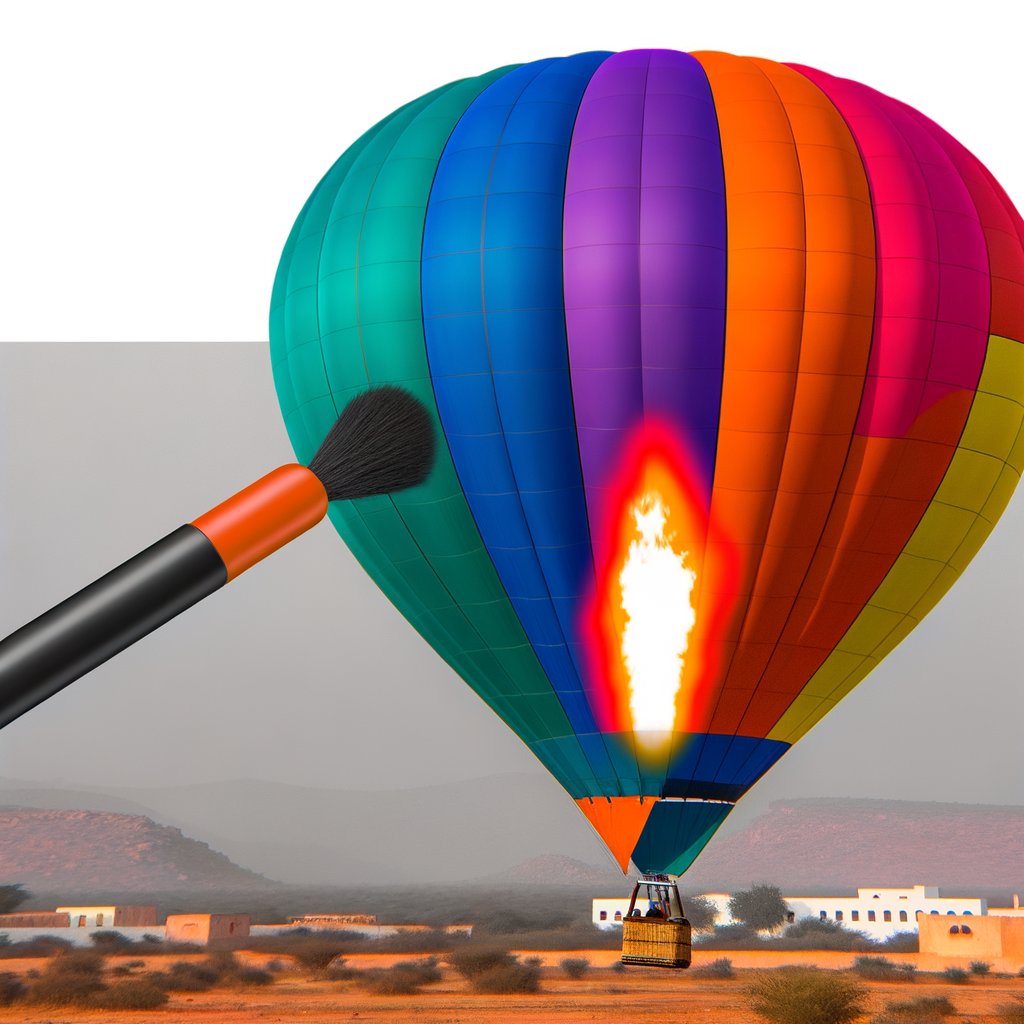
IMG007

A hot air balloon rises as the burner flame heats
the air inside, showing how hot air rises.

Example: Burner heats air making balloon lighter than surrounding air
  • Gliders use natural thermals to gain height without engines .
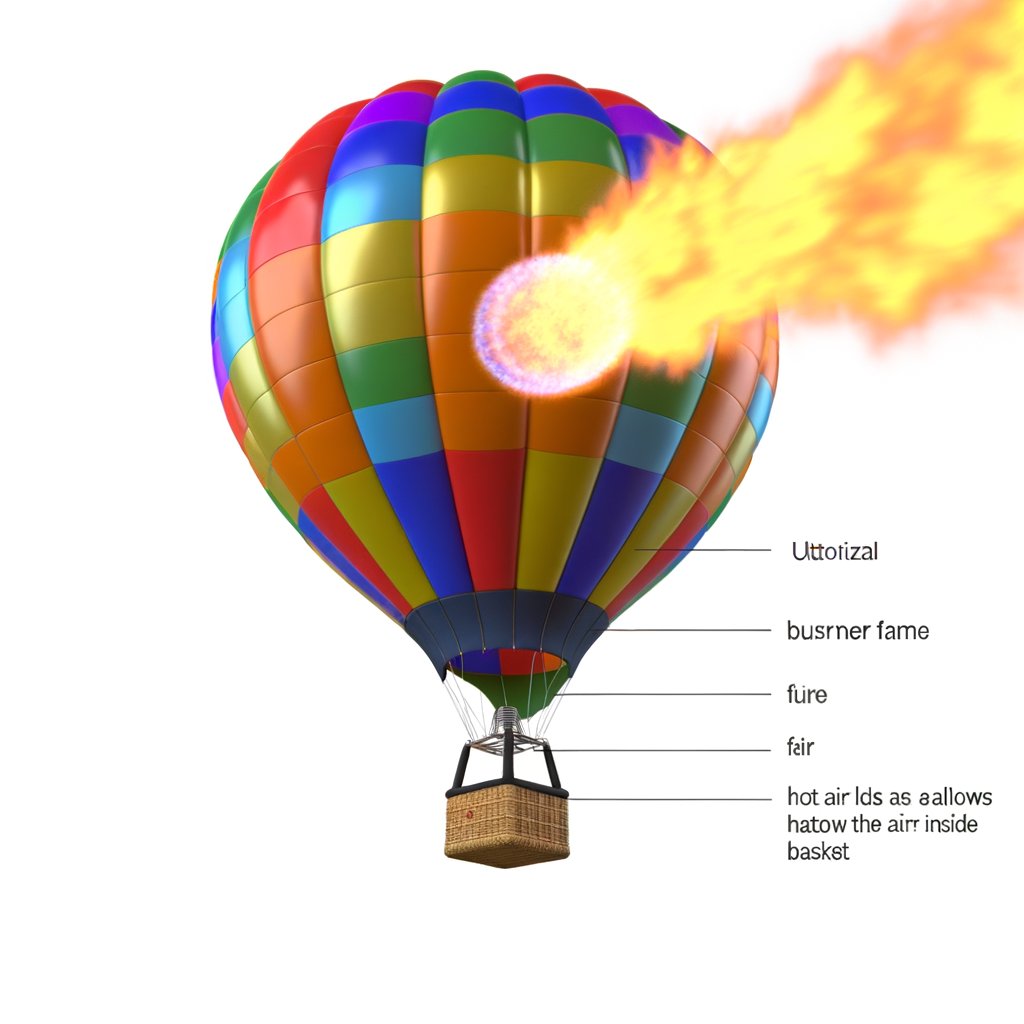
IMG015

A hot air balloon rises as the burner flame heats
the air inside, demonstrating the principle of
convection.

Example: Glider pilot circles within rising warm air column
  • Thermals are columns of warm air rising by convection .
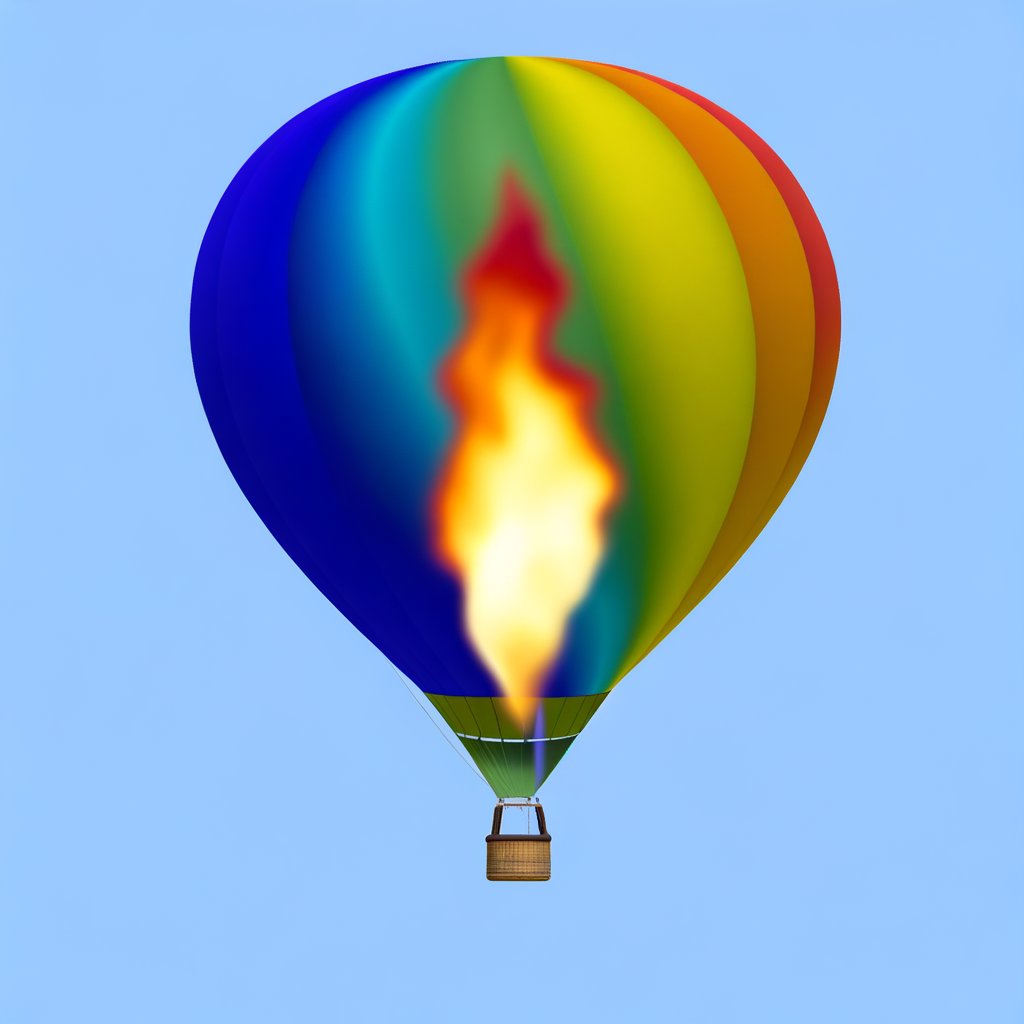
IMG023

A hot air balloon with a burner flame heats the air
inside, demonstrating how hot air rises to lift the
balloon.

Example: Air above hot parking lot or plowed field rises upward
  • Pilots locate thermals by observing ground heating patterns .
Example: Dark surfaces like roads create stronger thermals than forests
  • Convection principle enables engine-free flight for hours .
Example: Experienced glider pilots can fly 100+ kilometers using thermals
Hot Air Balloons vs Gliders Feature Hot Air Balloons Gliders Heat source Artificial burner Natural thermals Control Up and down Soaring and gliding Flight time Limited by fuel Hours using thermals Weight Heavy basket Lightweight aircraft

Question (Page 7.3): How do hot air balloons work? Which mode of heat transfer is involved?

Answer:
We have studied that hot air becomes lighter and rises due to convection . This is why hot air balloons can fly .

  • Burner heats air inside balloon envelope
  • Hot air becomes less dense than surrounding air
  • Buoyant force lifts balloon and basket upward
  • Convection is the heat transfer mode involved
Hot Air Balloon Flight Heat air inside Burner warms air in balloon Air becomes lighter Hot air less dense than outside Balloon rises up Buoyant force lifts balloon Flight achieved!

Section Summary: Heat Transfer in Nature: Large-Scale Phenomena

Large-Scale Heat Transfer Phenomena Land and Sea Breeze Daily heating creates local winds Monsoon Winds Seasonal heating drives rainfall patterns Trade Winds Global heating differences create wind belts Hot Air Balloons Artificial heating enables flight Gliders Natural thermals provide lift Convection Currents Rising warm air drives all phenomena
Remove Ads Share on WhatsApp
CA Maninder Singh's photo - Co-founder, Teachoo

Made by

CA Maninder Singh

CA Maninder Singh is a Chartered Accountant with 16+ years of practical experience and 20+ years of teaching experience. At Teachoo, he simplifies Accounts, Tax and GST with step-by-step examples so students can apply concepts confidently in exams and real life.

For an uninterrupted learning experience, students can use Teachoo Black to remove ads and focus better.