
 You are here
What is Radiation?
It is the mode of heat transfer without the help of any material medium .
Key Facts and Examples
- Radiation does not need solid , liquid , or gas to transfer heat .
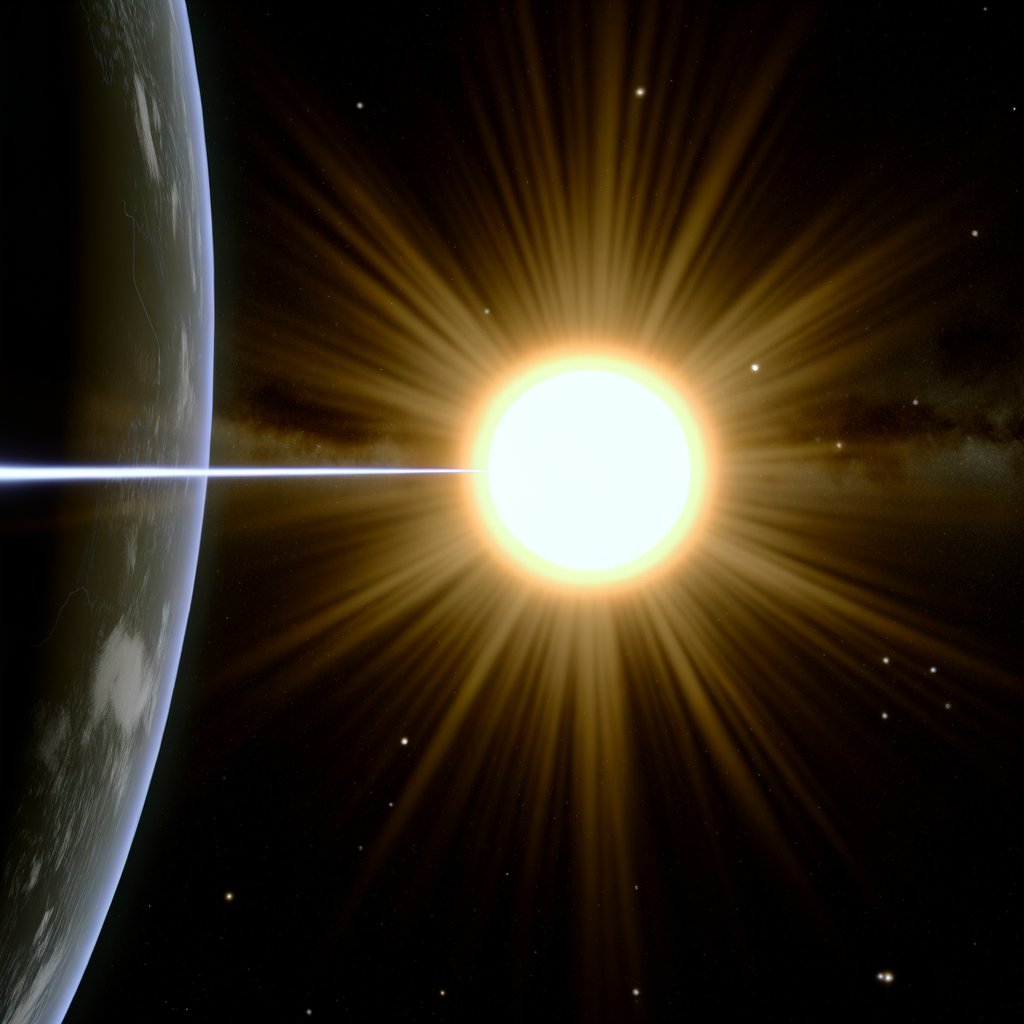
The Sun radiates heat to Earth through the vacuum of
space, illustrating radiation.
Example: Sun's heat reaches Earth through empty space
- All objects emit ( give out ) radiation .
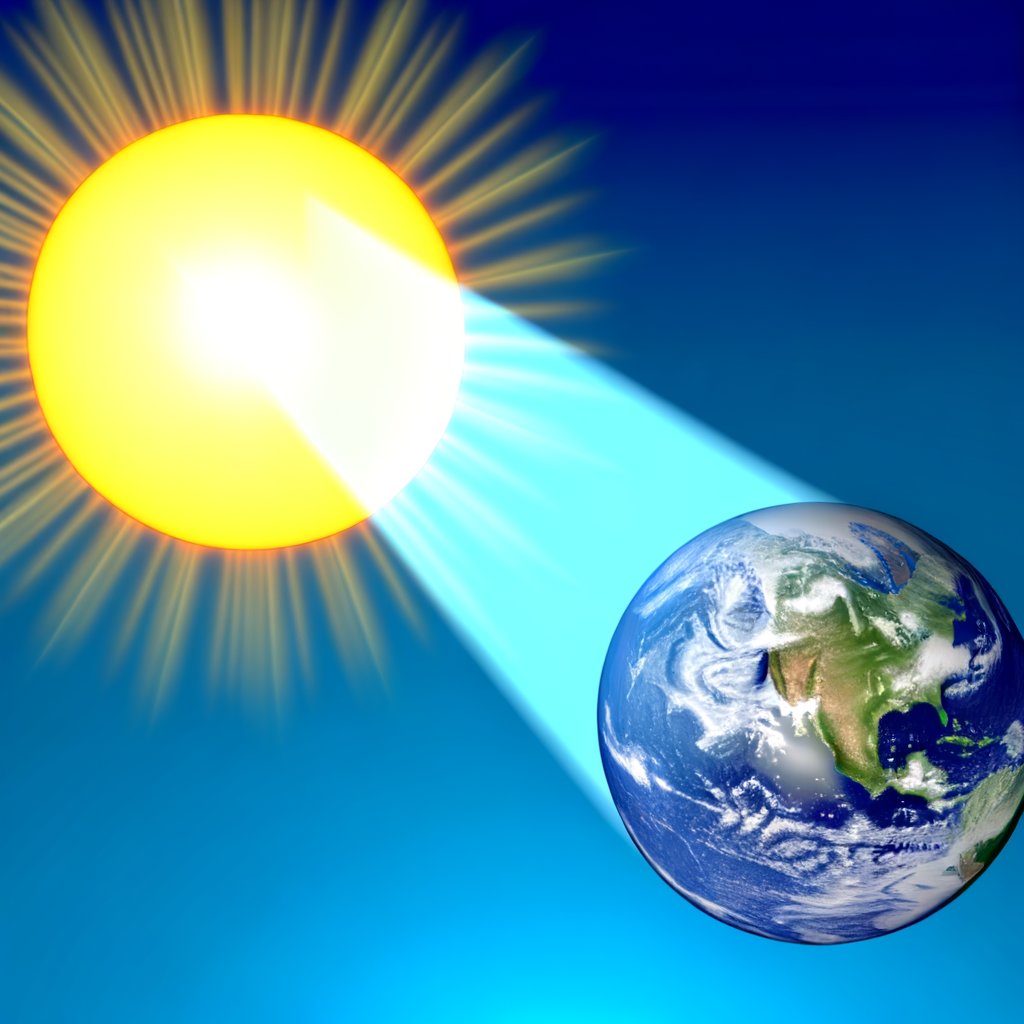
The sun radiates heat to Earth across empty space,
showing how radiation works without a medium.
Example: Hot stove, human body, light bulbs radiate heat
- Hotter the object , more heat it radiates .
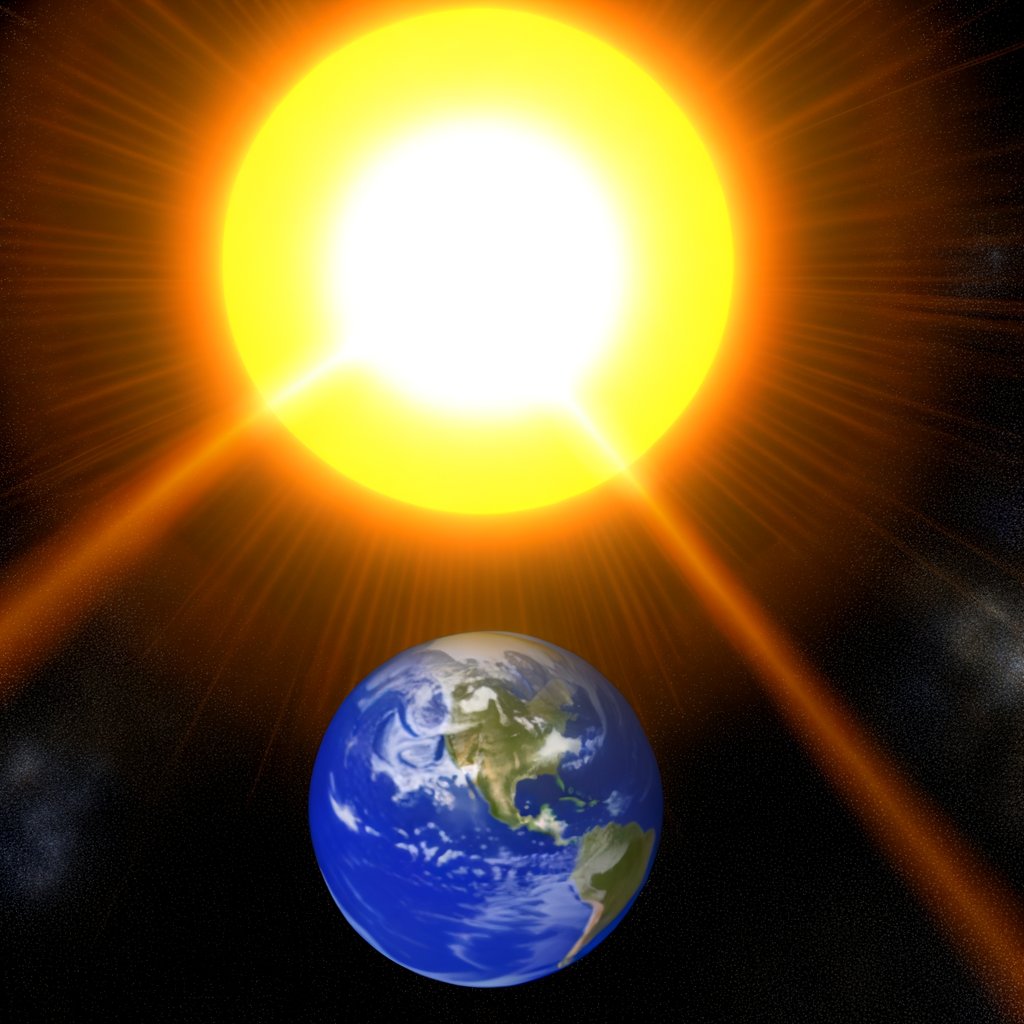
The Sun's rays travel through space to reach Earth,
demonstrating heat transfer by radiation.
Example: Red hot iron radiates more than warm iron
- Heat can travel through empty space by radiation .
Example: Heat from campfire reaches your face instantly
Question (Page 4): Take a stove and light it. Keep your hand near the stove (not too close). Can you feel the heat? But the air between your hand and the stove is not hot. How does the heat reach your hand?
Answer:
We have studied that
radiation
transfers heat
without
any material medium
. This is why
heat
reaches
your
hand
even though
air
is
not hot
.
- Heat waves travel through air without heating the air
- Radiation moves at the speed of light
Activity 7.3: Effect of Surface on Radiation (Page 4)
What you need:
- Two identical tins
- Black paint
- Warm water
- Thermometer
What to do:
- Step 1: Take two identical tins
- Step 2: Paint one completely black. Leave the other shiny and metallic
- Step 3: Fill both with equal amounts of warm water at the same temperature
- Step 4: Let them sit for 30 minutes
- Step 5: Check the temperature of water in each tin
Observations
What you see:
- Black tin water has lower temperature
- Shiny tin water has higher temperature
- Black surface cooled faster
- Shiny surface retained heat better
Why this happens:
We have studied that
different surfaces
radiate heat
differently
. This is why
black surfaces
lose heat
faster
than
shiny surfaces
.
- Black surfaces are better radiators of heat
- Shiny surfaces are poor radiators of heat
Section Summary: Heat Transfer in Nature
