
 You are here
pages 124 to 127
What made early Indian education holistic, and what subjects were taught?
- Education was an integral part of life , serving a holistic purpose .
What made early Indian education holistic?
Education prepared the whole person
Knowledge
Vedas, grammar, logic, philosophy, mathematics, science, medicine, astronomy.
Arts and physical skills
Music, dance, painting, physical education and martial arts.
Discipline and inner life
Yoga, meditation, service to the guru and moral training.
- Indian education imparted practical skills across a wide range of subjects .
- Students studied academic subjects , were trained in arts and crafts , and also practised things like yoga, meditation, and service to the guru .
- So education covered practical, theoretical, and real-life skills together , making it a complete preparation for life, not just a path to a career .
What subjects were taught?
Heading
Details
Main subjects
The Vedas, grammar, logic, philosophy, ethics, mathematics, science, medicine, astronomy
Arts and crafts
Music, dance, painting, physical education, martial arts, such as archery
Other practices
Yoga, meditation, service to the guru
How were dharma and moral values built into education?
Dharma
moral responsibilities and duties
↓
Duties owed
to parents, teachers
↓
Learning was combined with duty, character and moral conduct.
Meaning of dharma
Concept of dharma in education
- Pupils were trained to live in accordance with dharma , the guiding principle for the individual, the family, and society .
- Dharma required everyone, including students , to fulfil their duties towards parents, teachers, and the gods .
- Good character and moral conduct were seen as the foundation of society .
- The chapter therefore presents education as combining knowledge with duty, character and moral conduct , rather than treating learning as academic instruction alone.
What values were cultivated by Indian education?
Value
Meaning
Truth
Being honest and truthful
Patience
The ability to endure and wait calmly
Regularity
Following a disciplined, consistent routine
Humility
Being modest, not arrogant
Control of senses
Restraint over one's desires and impulses
Purity of self
(
sattvashuddhi
)
Inner cleanliness of mind and character
Cognition of the underlying unity of life, nature and environment
Understanding that all life, nature and environment are connected
Reverence for all beings
Deep respect for every living being
What was the guru-shishya parampara, and what was life in a gurukula like?
![The Quest for Knowledge - State and Society up to 1000 CE - [Teachoo] - Concepts](https://cdn.teachoo.com/878c58e7-13f0-4362-aacf-ab372aac42b9/a-gurukula.jpg)
- The teacher-student relationship, or guru-shishya parampara , was regarded as sacred.
- The guru or acharya was highly respected and seen as a guide who helped the student move from ignorance to knowledge.
- The teacher's home served as the centre of the gurukula .
- The relationship was described as close and mutually supportive , and the student was treated as a member of the teacher's family.
- Students followed a disciplined life marked by self-control, obedience and devotion .
What was the guru-shishya parampara?
GURU-SHISHYA PARAMPARA
sacred teacher-student relationship
Guru / Acharya
guide towards knowledge
From darkness of ignorance to light of knowledge
Gurukula
teacher's home as centre of learning
Takshashila: housing, drainage, waste management
Student life
self-control, obedience and devotion
Lived alongside the guru, day and night
A gurukula
LET'S EXPLORE
Compare your school life with the life of a student in a gurukula in early India. Think about daily routine, subjects, relationship with teachers, discipline and living arrangements. What advantages and challenges might each system have?
Student application:
there is no single model answer because your own school may differ. Use the chapter facts about the gurukula, then compare them with your actual school.
Where were the major centres of learning, and what does Takshashila reveal about them?
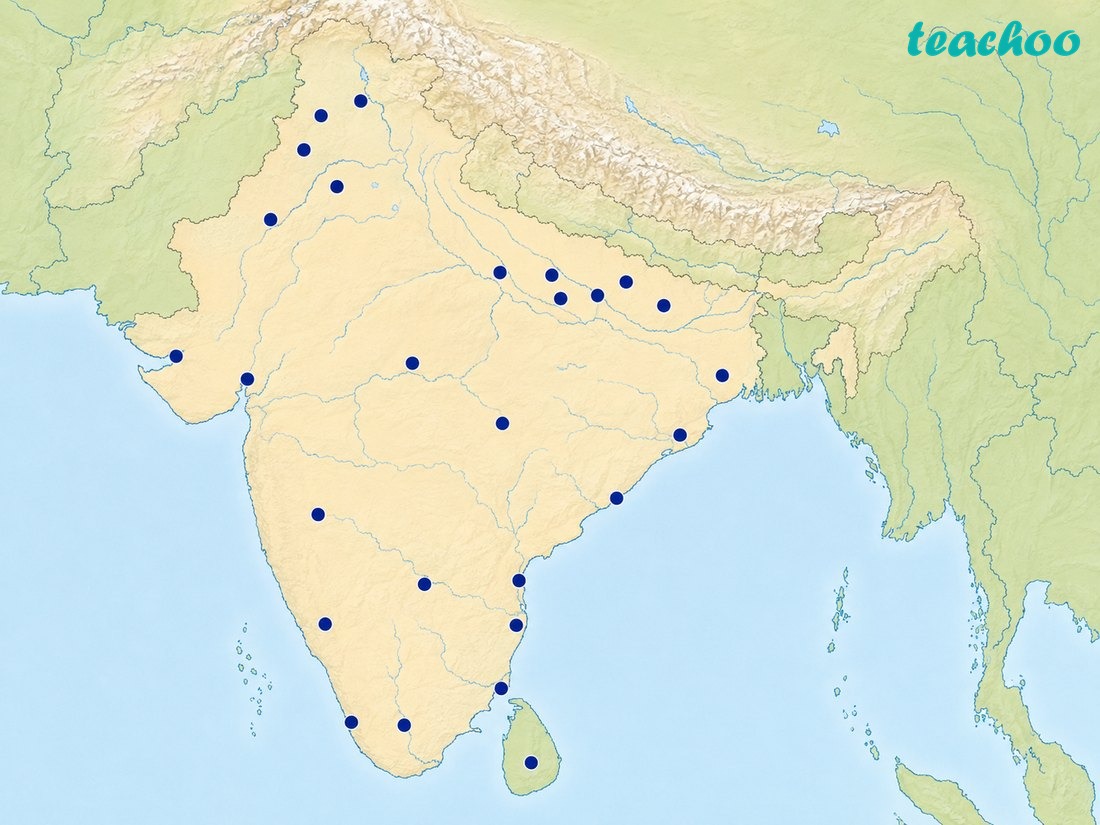
- Historical and literary sources indicate that institutions of higher learning emerged across the Indian subcontinent and attracted students from India and other regions .
Where were the prominent centres of learning?
Takshashila
Sharada Pitha
Ahichchhatra
Ujjayini
Varanasi
Mithila
Nalanda
Odantapuri
Vikramshila
Jagaddala
Sompura
Pushpagiri
Vallabhi
Salotgi
Nagarjunakonda
Kanchipuram
Ennayiram
Thrissur
Anuradhapura
Prominent centres of learning
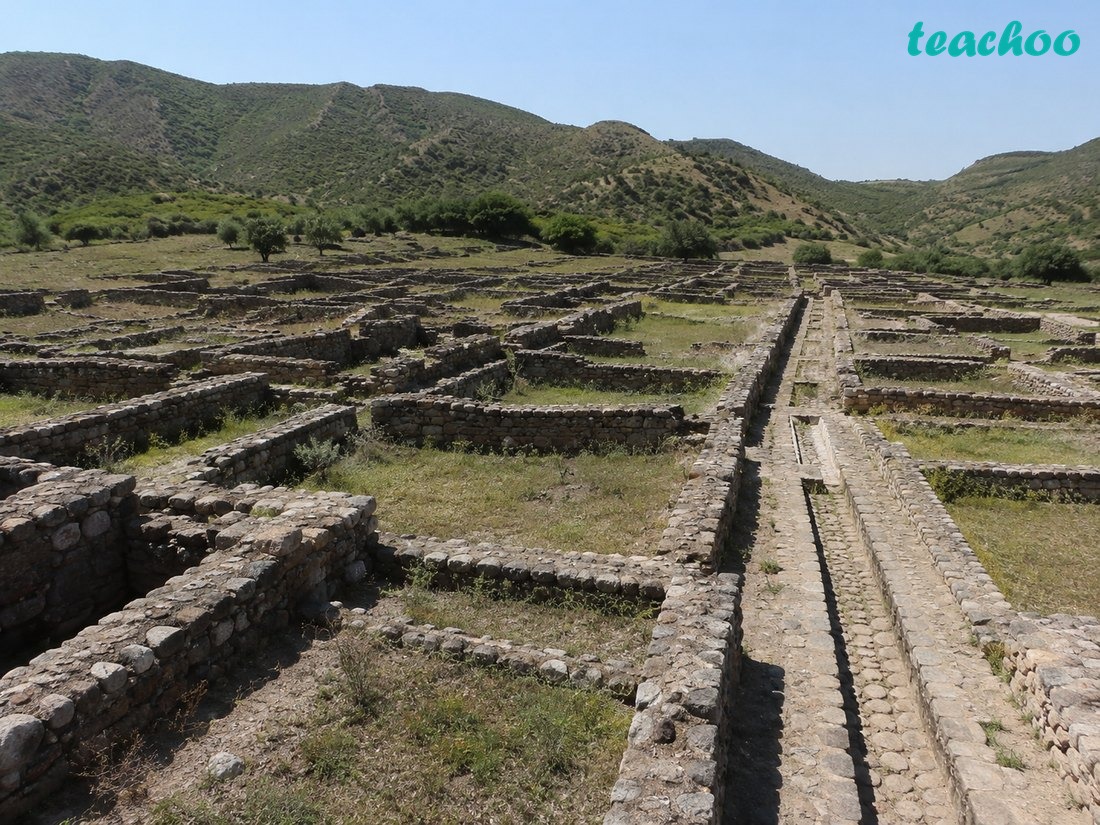
What does Fig. 5.11 show about Takshashila?
- The ruins are described as a large campus with organised urban systems, including different types of housing, drainage and waste management .
The ruins of Takshashila
What kinds of literature and knowledge traditions developed in early India?
- India produced a vast and diverse body of literature on subjects such as philosophy, grammar, medicine, astronomy, mathematics, culinary practices, agriculture, architecture and everyday life.
- The chapter emphasises that many knowledge traditions and practices persisted despite political changes and the rise and fall of kingdoms .
| Field / tradition | Works named in the chapter |
|---|---|
| Foundational Sanskrit grammar | Panini's Ashtadhyayi ; Pingala's Chhandashastra ; Patanjali's Mahabhashya |
| Smriti literature — dharma, law and ethics | Manu-smriti , Yajnavalkya Smriti , Narada Smriti , Vishnu Smriti |
| Classical works on medicine | Charakasamhita and Sushrutasamhita |
| Sanskrit poetry and kavya | Kalidasa's Raghuvamsha and Kumarasambhava |
| Tamil literature | Tiruvalluvar's Tirukkural ; the Tamil epics Silappadikaram and Manimekalai ; and the large body of Sangam texts on themes including love ( akam ), war/public life ( puram ), political organisation, social structures and economic activities |
What Have We Learned
- Dharma: a person's moral responsibilities and duties; also the guiding principle for the individual, family and society.
- Education followed dharma; duties to parents, teachers, and gods; good character was the foundation of society.
- Subjects: Vedas, grammar, logic, philosophy, ethics, mathematics, science, medicine, astronomy; also music, dance, painting, physical education, martial arts, yoga, meditation.
- Inner values cultivated: truth, patience, regularity, humility, control of senses, purity of self, unity of life and nature, reverence for all beings.
- Guru-shishya parampara: a sacred relationship; the gurukula was the teacher's home and centre of learning.
- Takshashila: a large, well-organised campus with housing, drainage, and waste management.
- Literary heritage: Panini, Pingala, Patanjali (grammar); Manu-smriti and other smritis (law); Charakasamhita, Sushrutasamhita (medicine); Kalidasa (poetry); Tirukkural, Silappadikaram, Manimekalai, Sangam texts (Tamil literature).
Section Summary - The Quest for Knowledge
Knowledge
Vedas, grammar, logic, mathematics, medicine, astronomy
Arts and skills
Music, dance, painting, physical education, martial arts
Inner life
Yoga, meditation, service to the guru, dharma
↓
Education prepared the whole person, not just a career
