
 You are here
Last updated at April 6, 2026 by Teachoo
Transcript
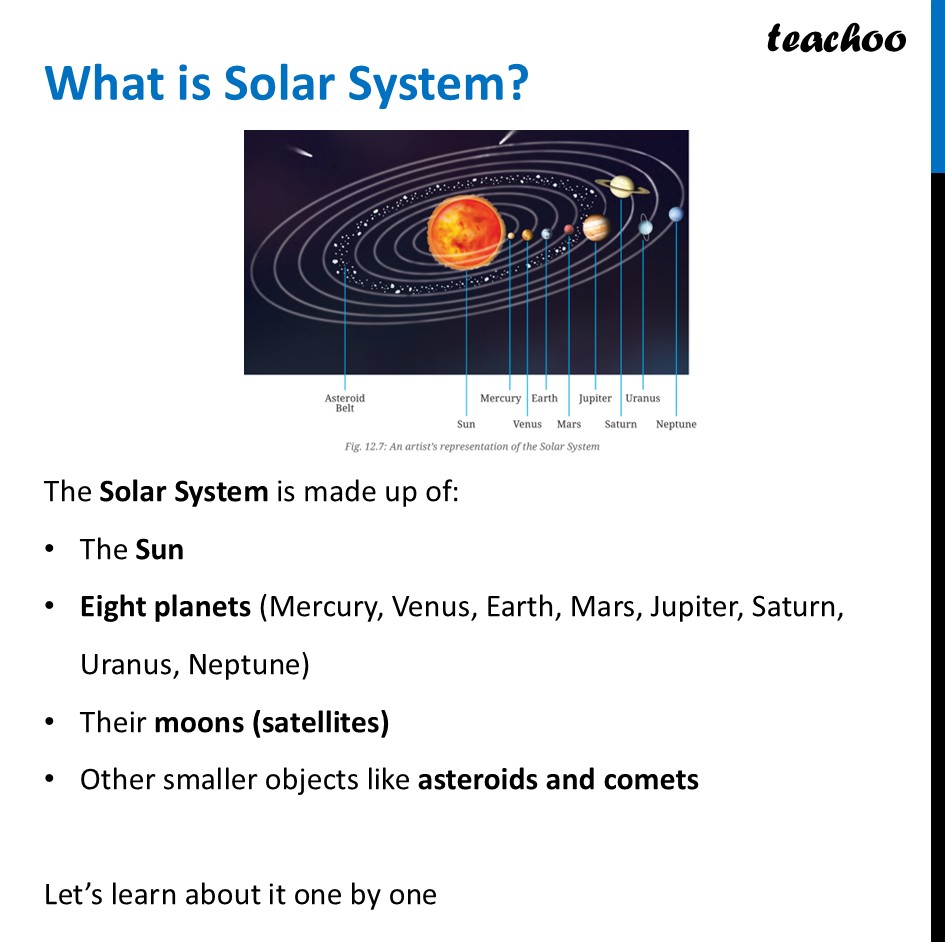
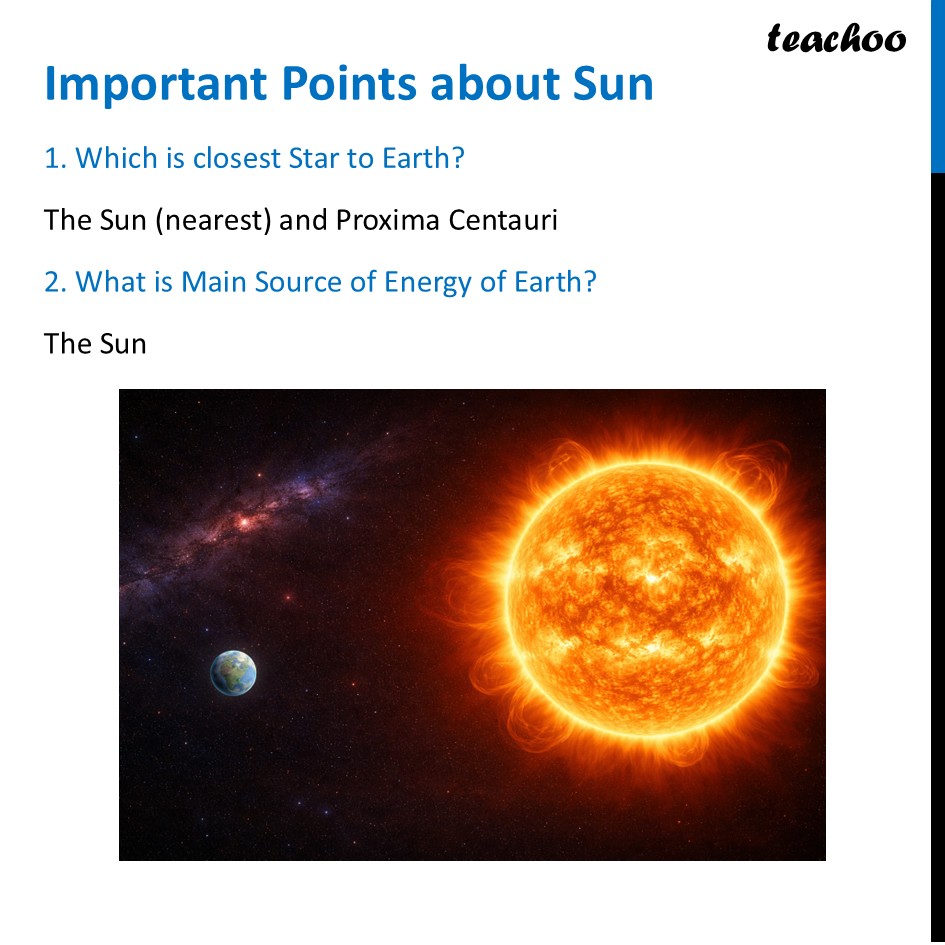
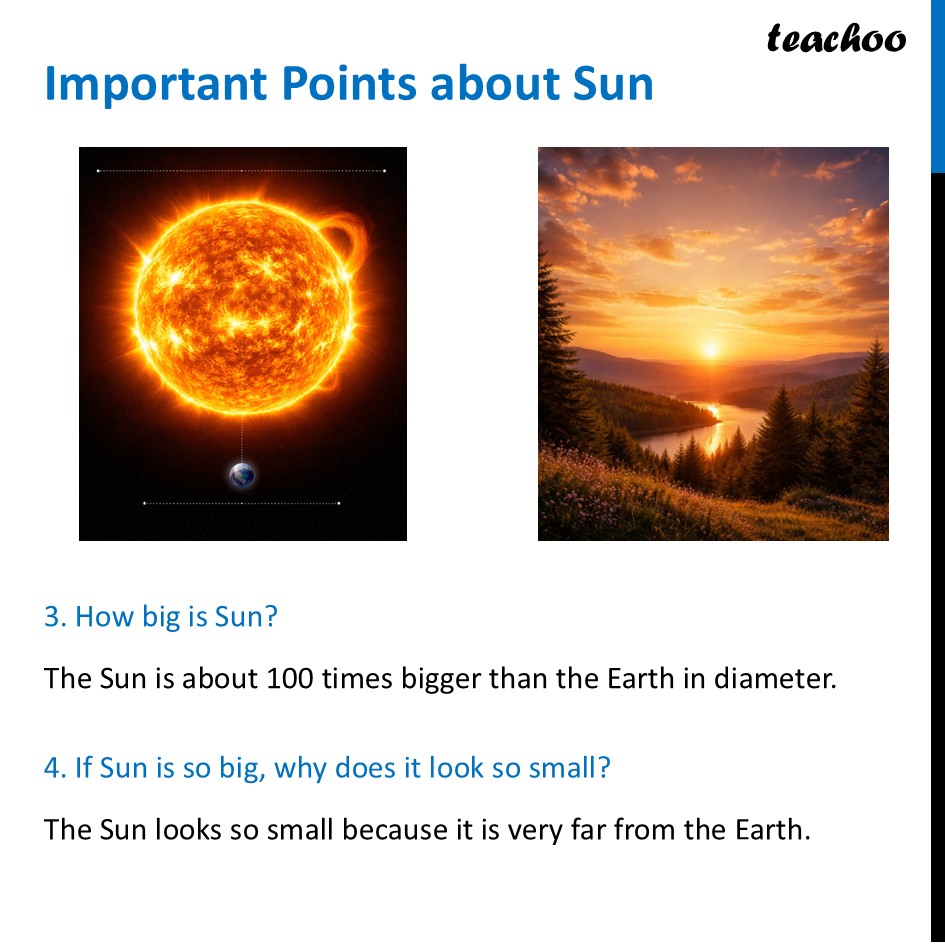
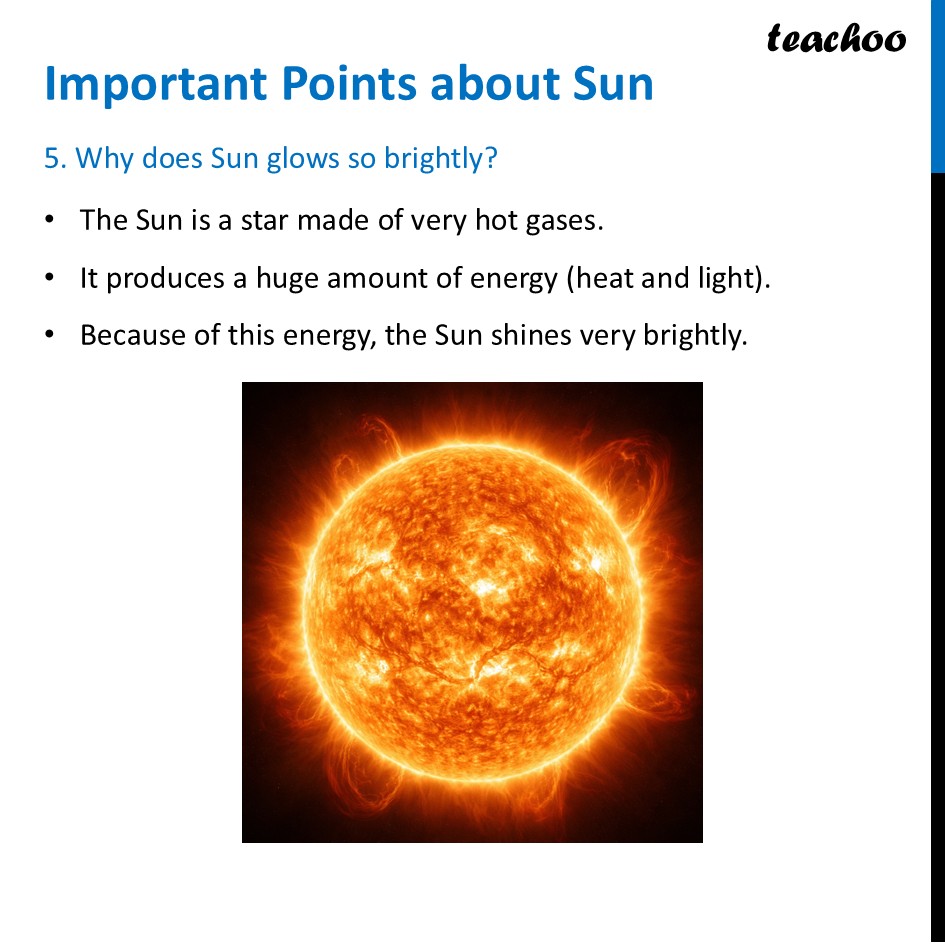
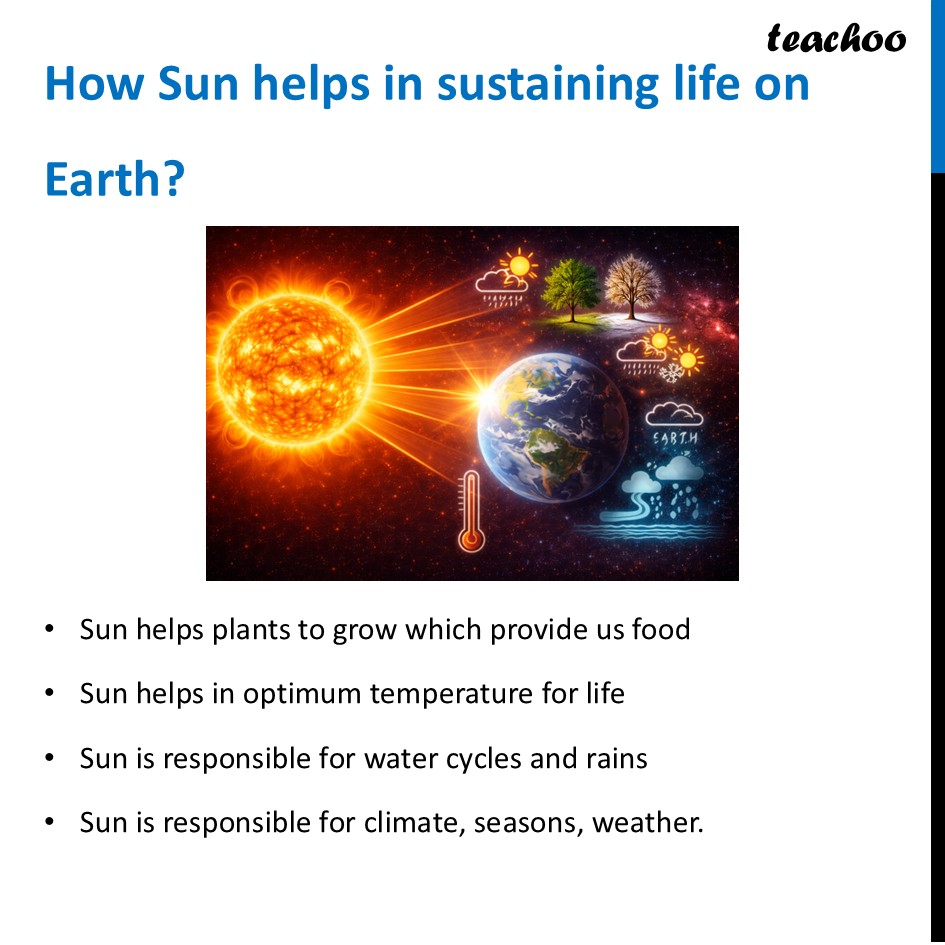
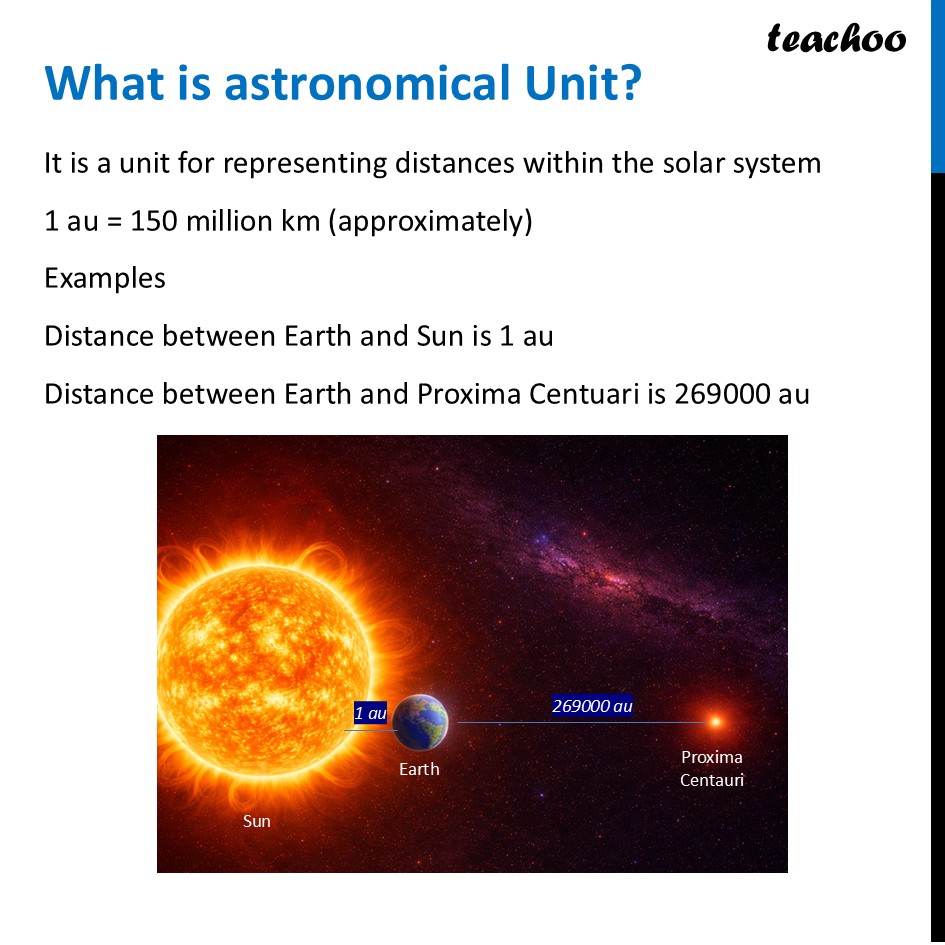
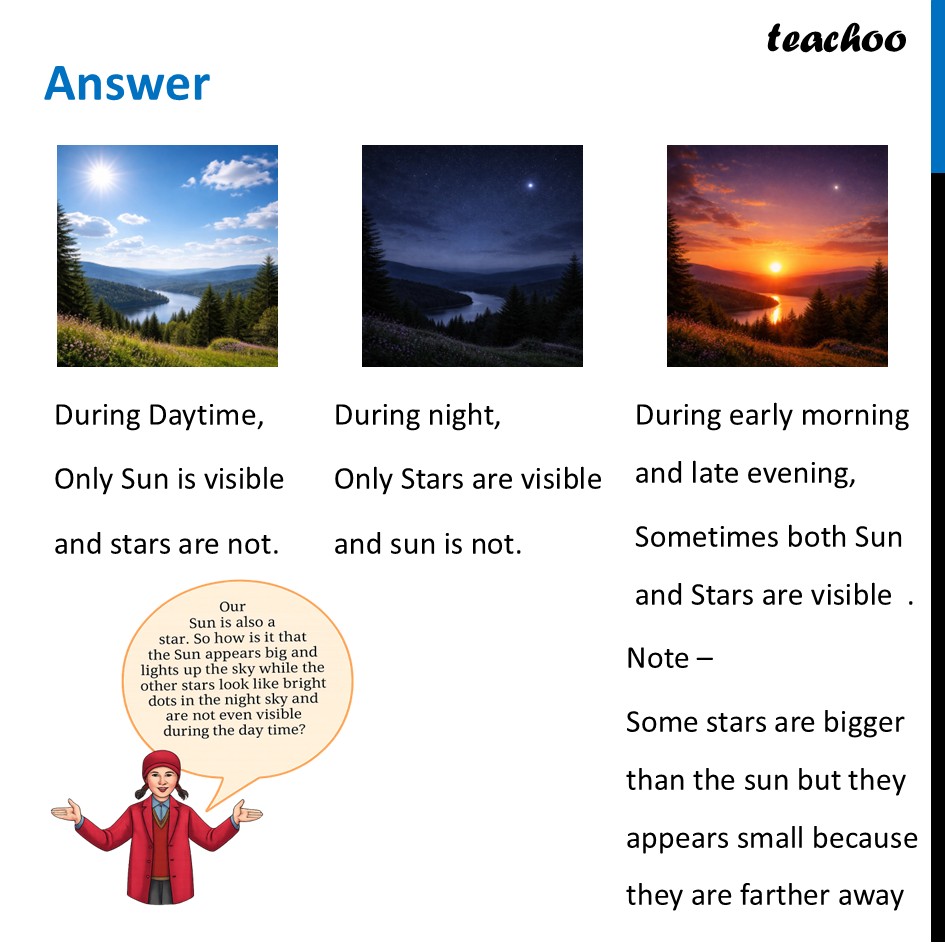
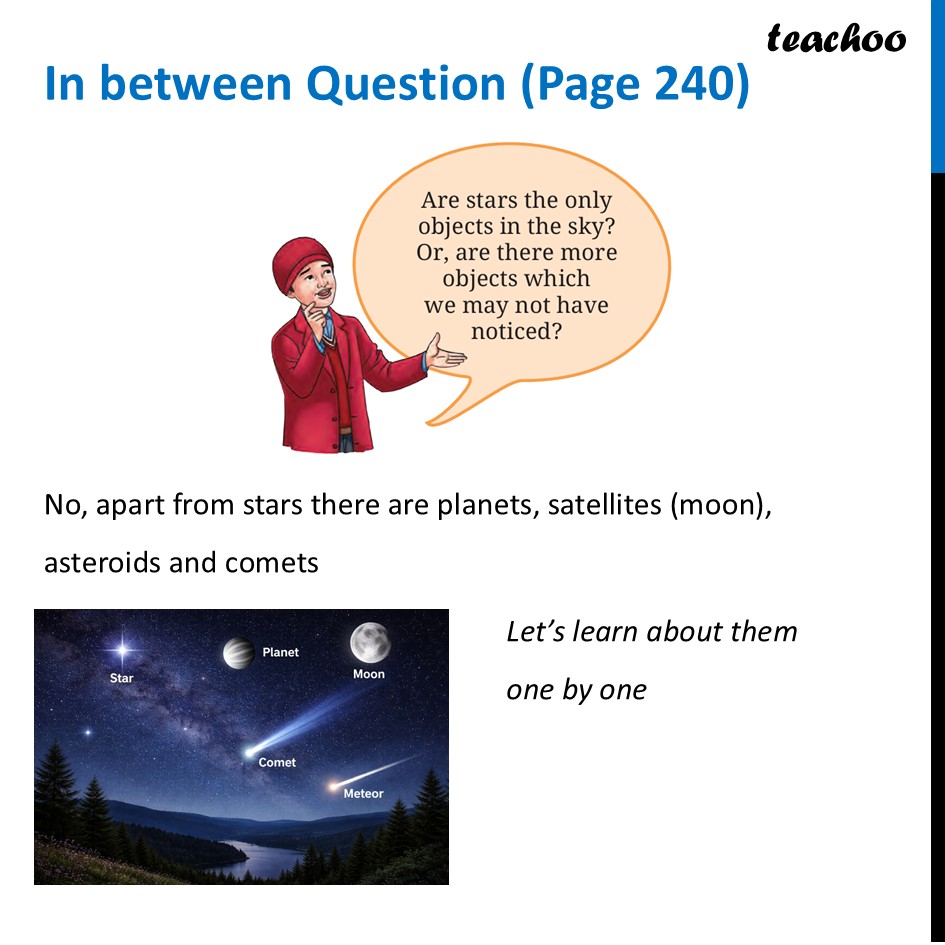
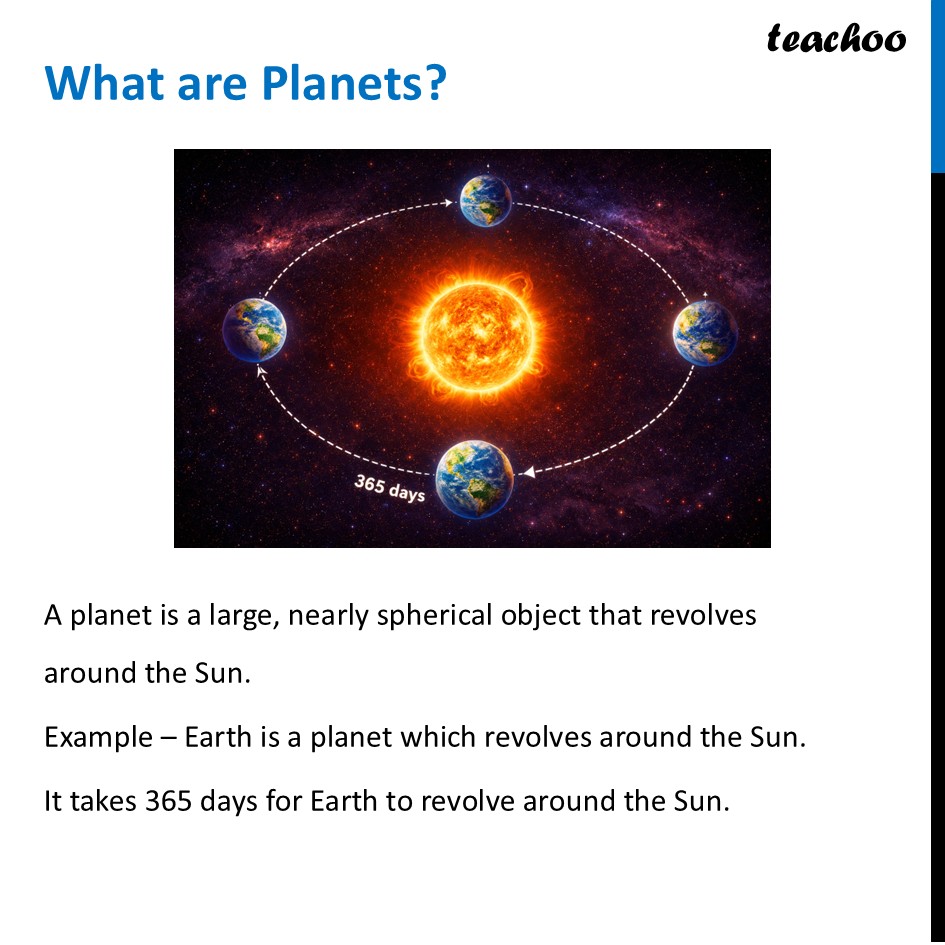
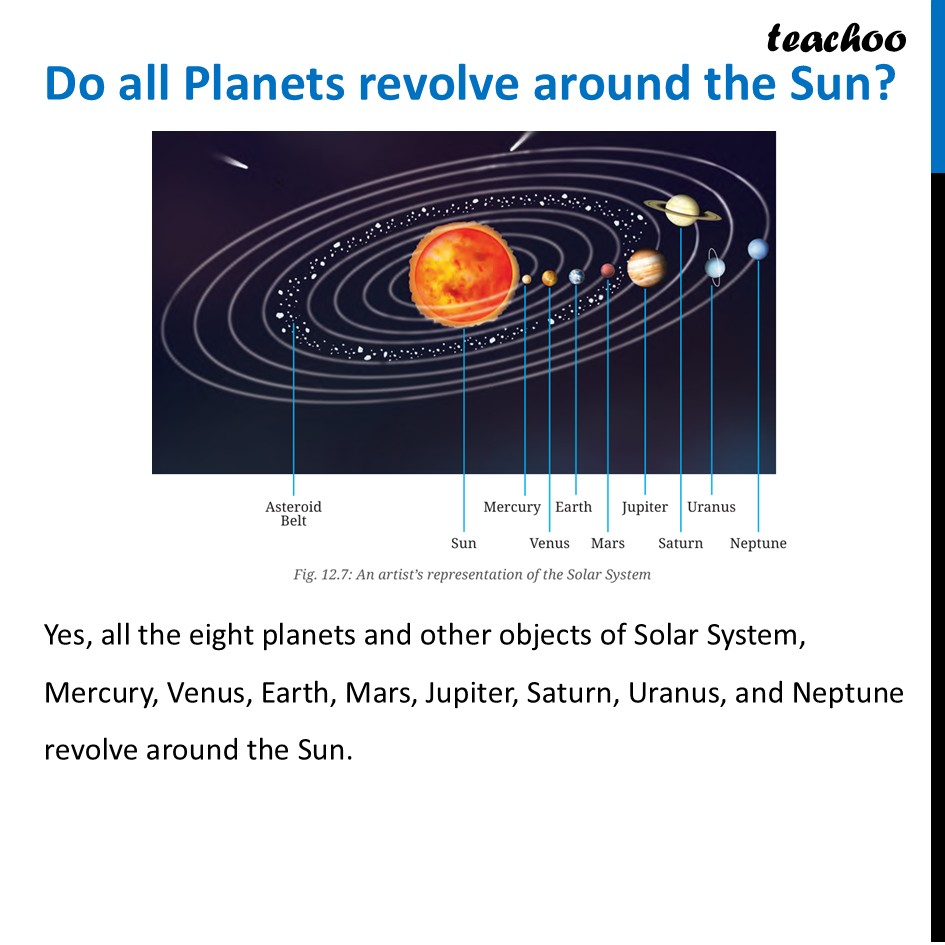
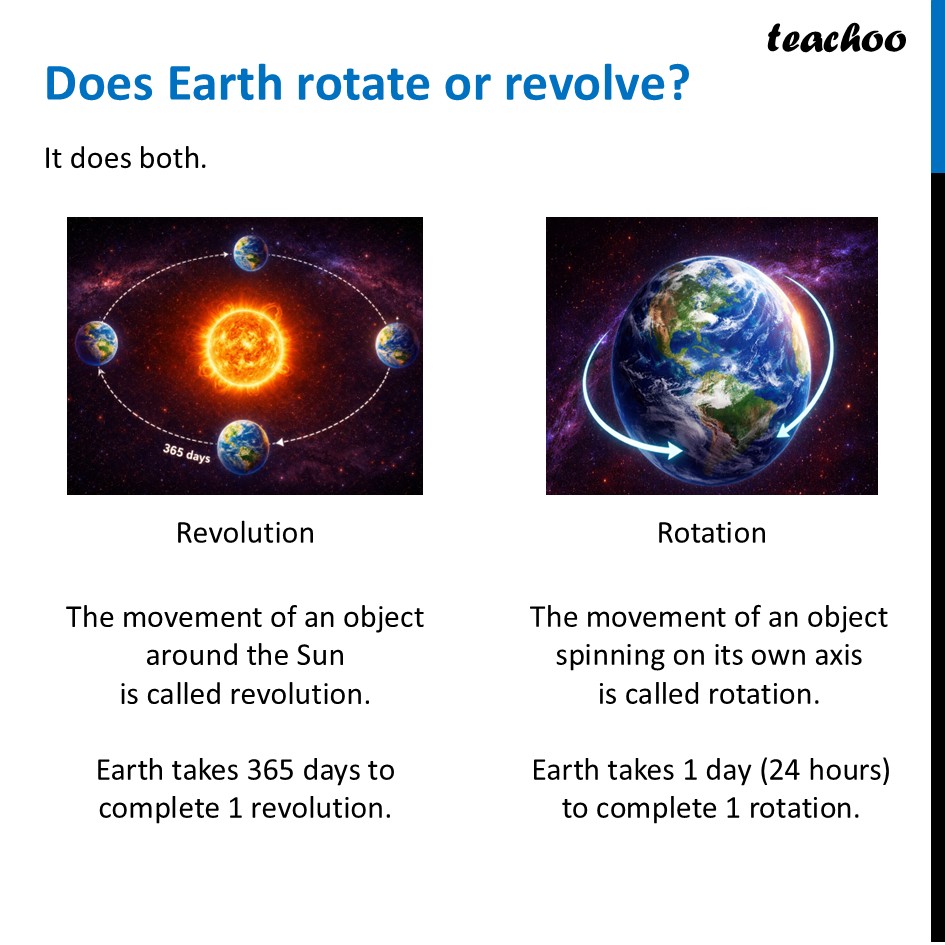
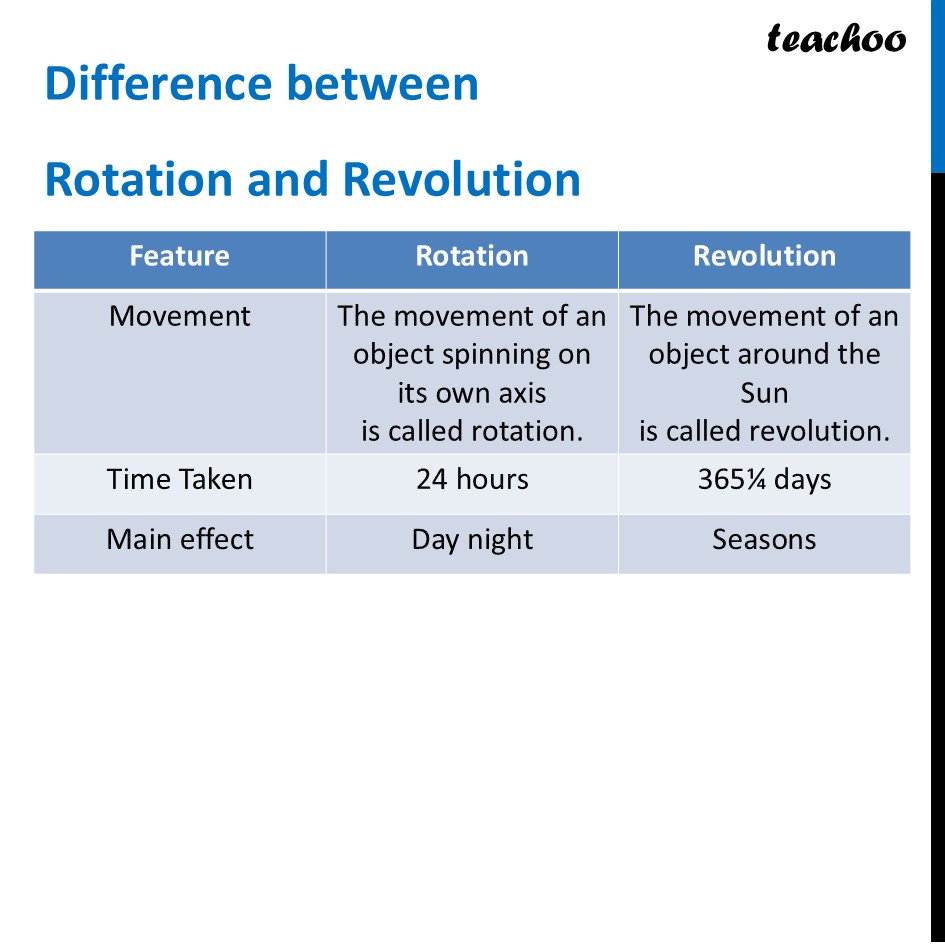
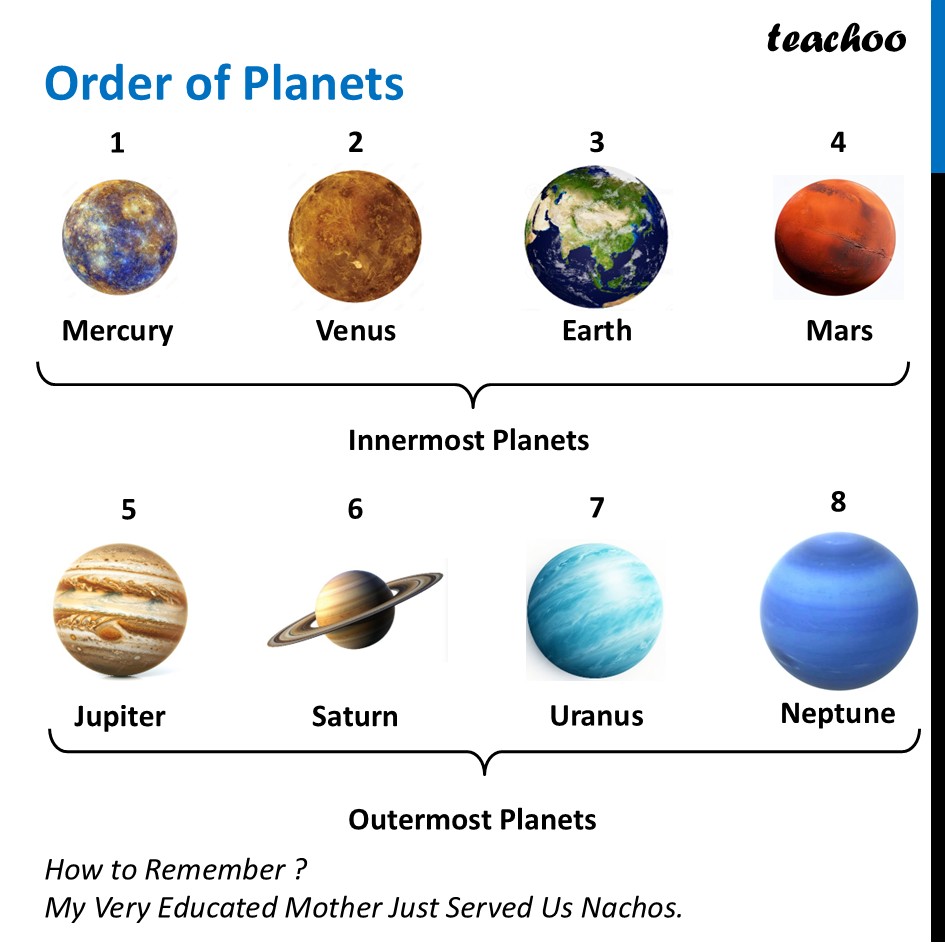
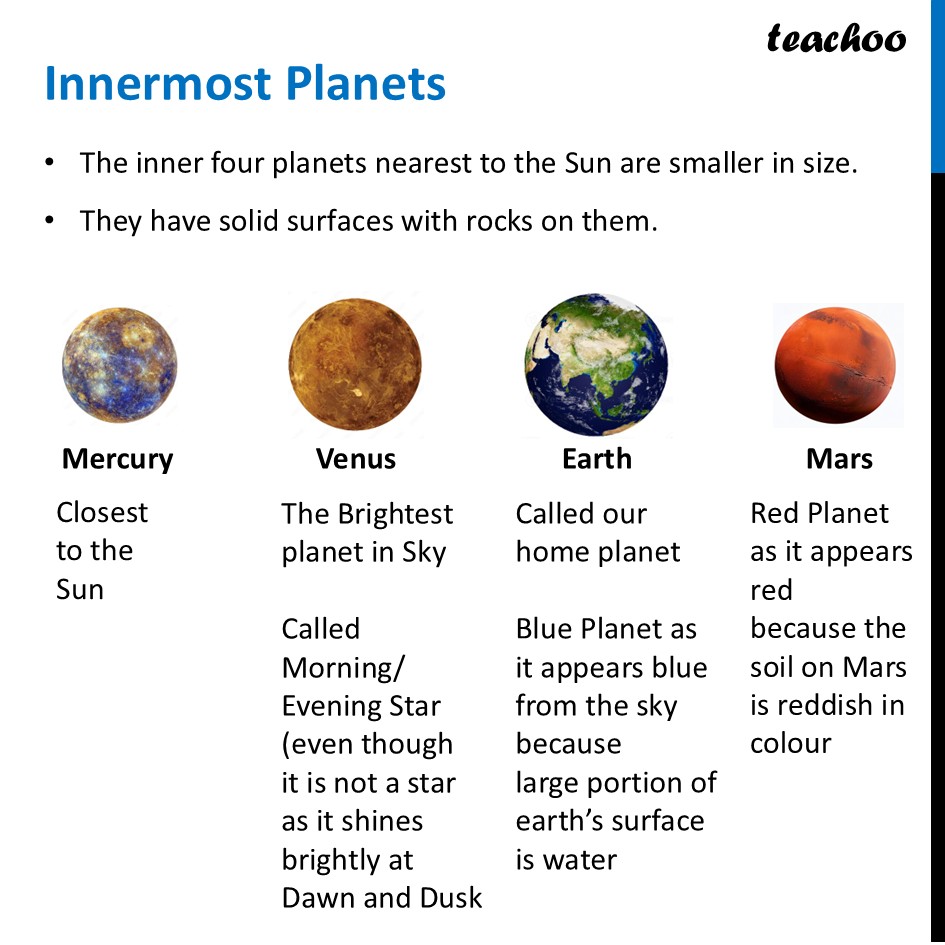
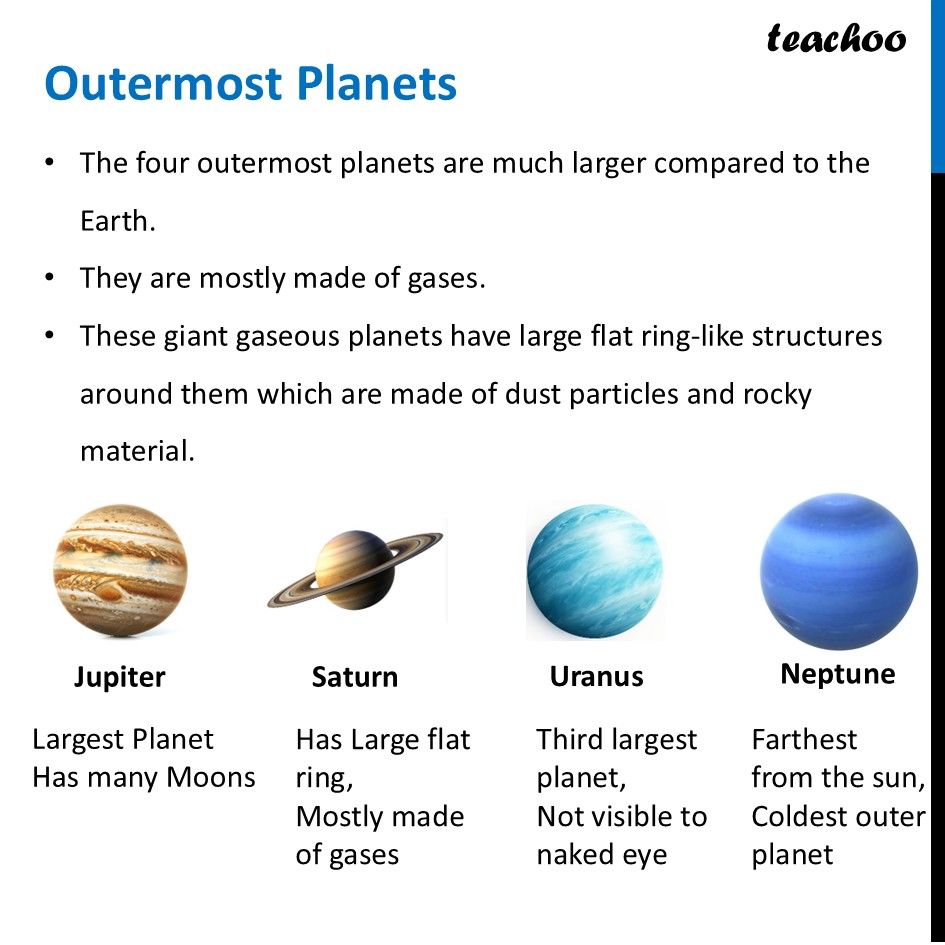
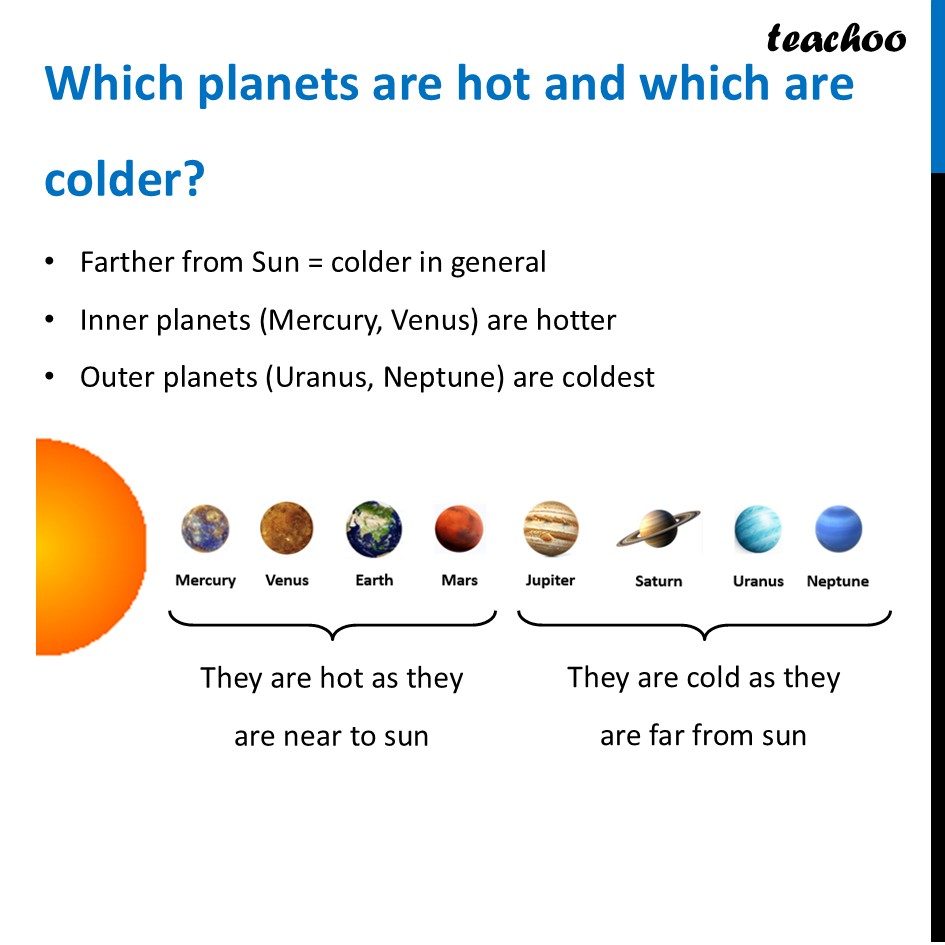
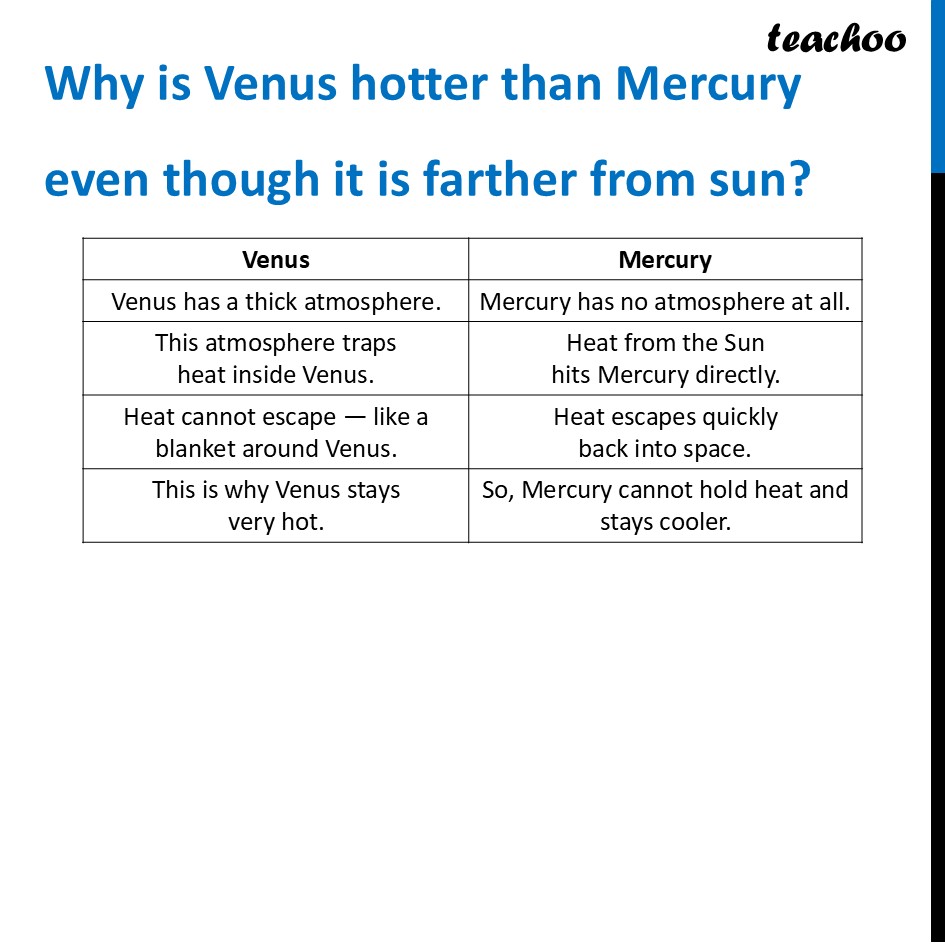
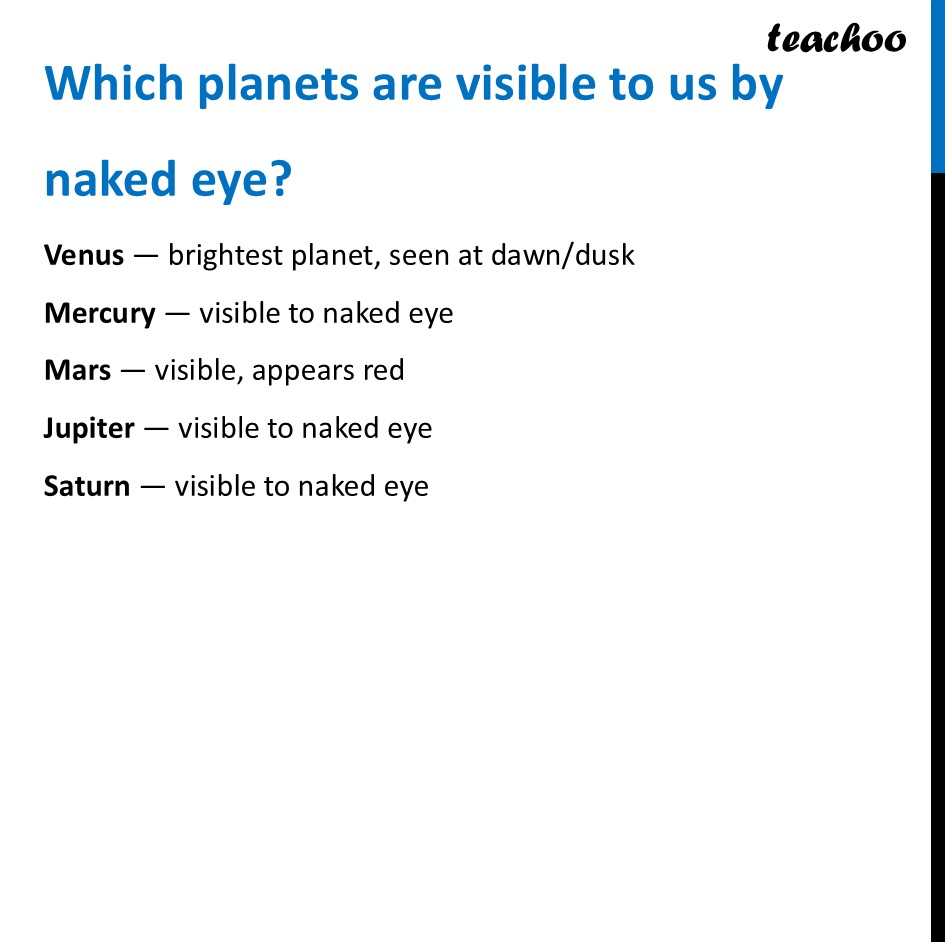
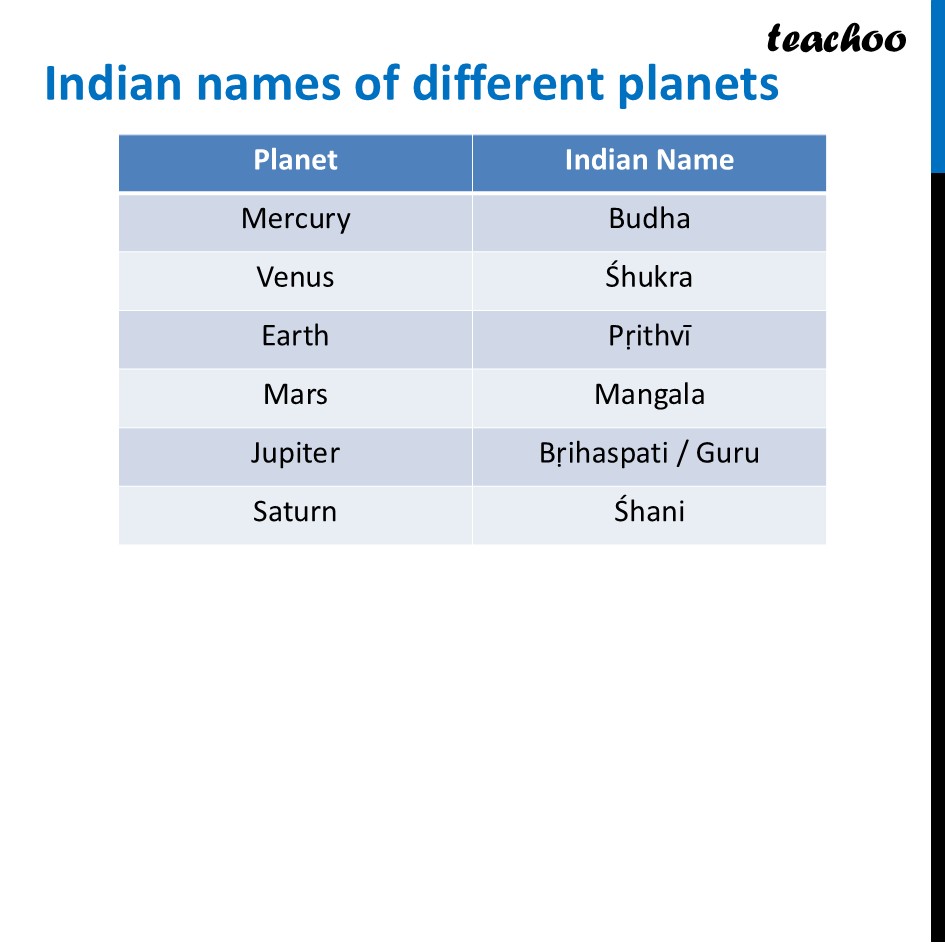
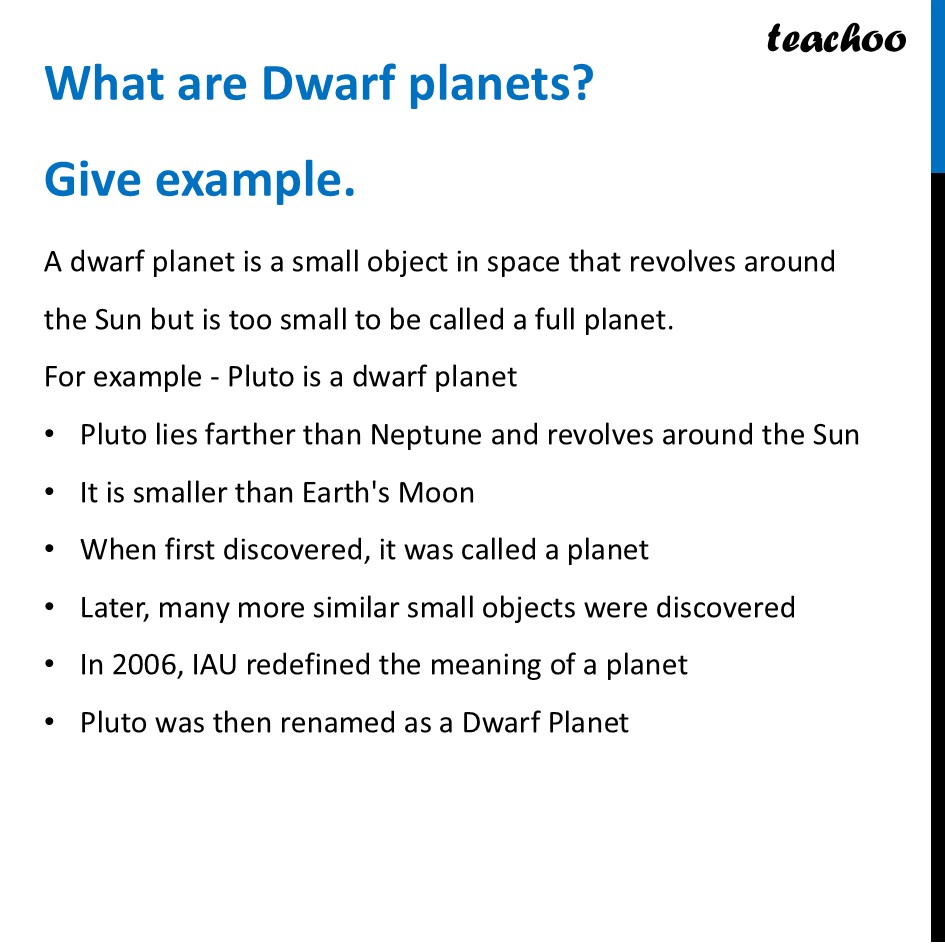
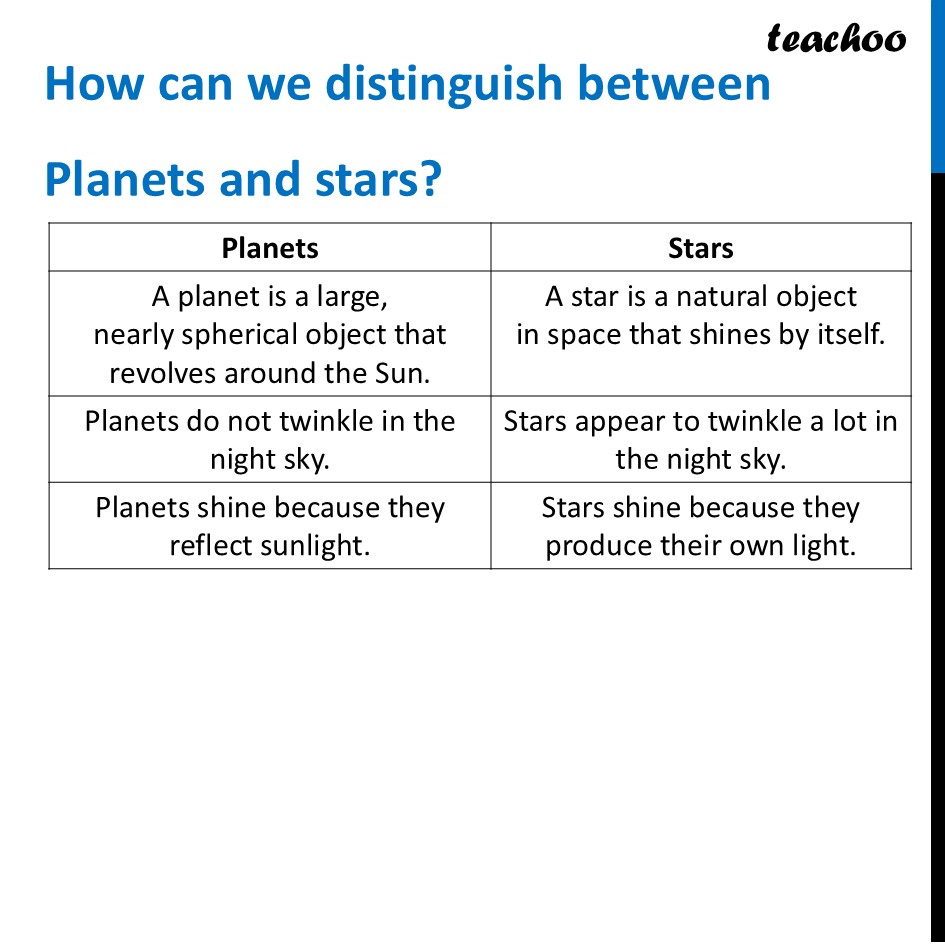
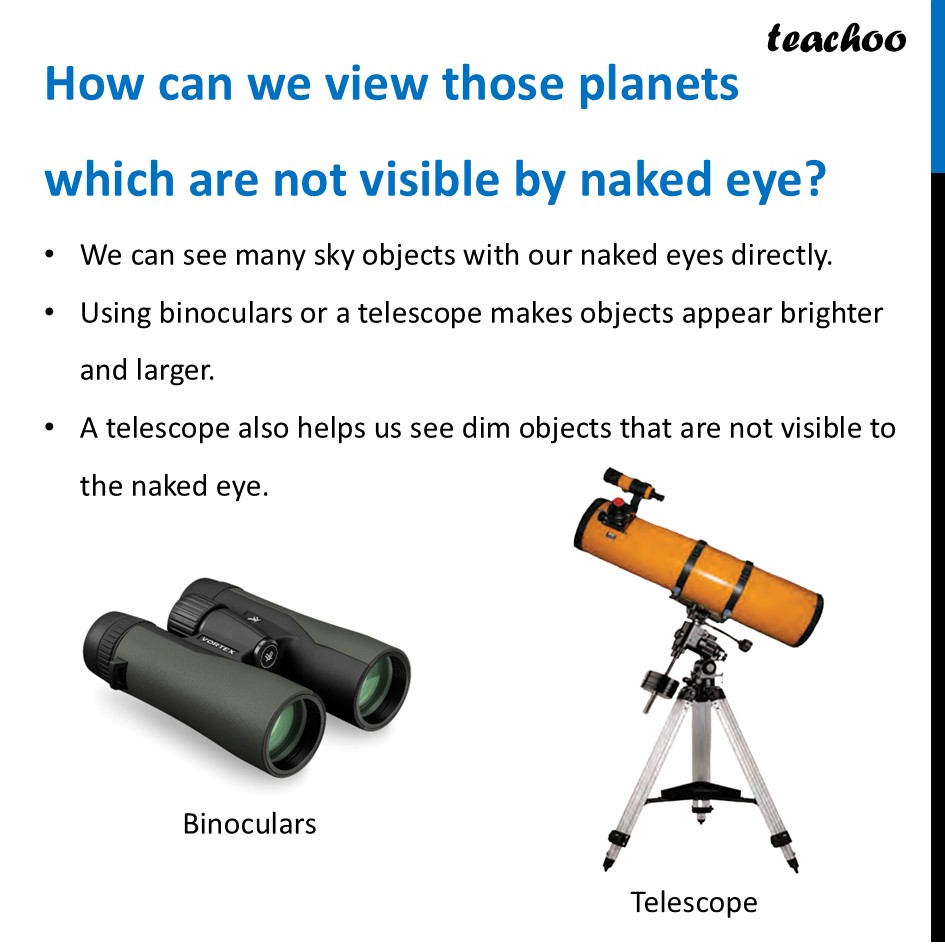
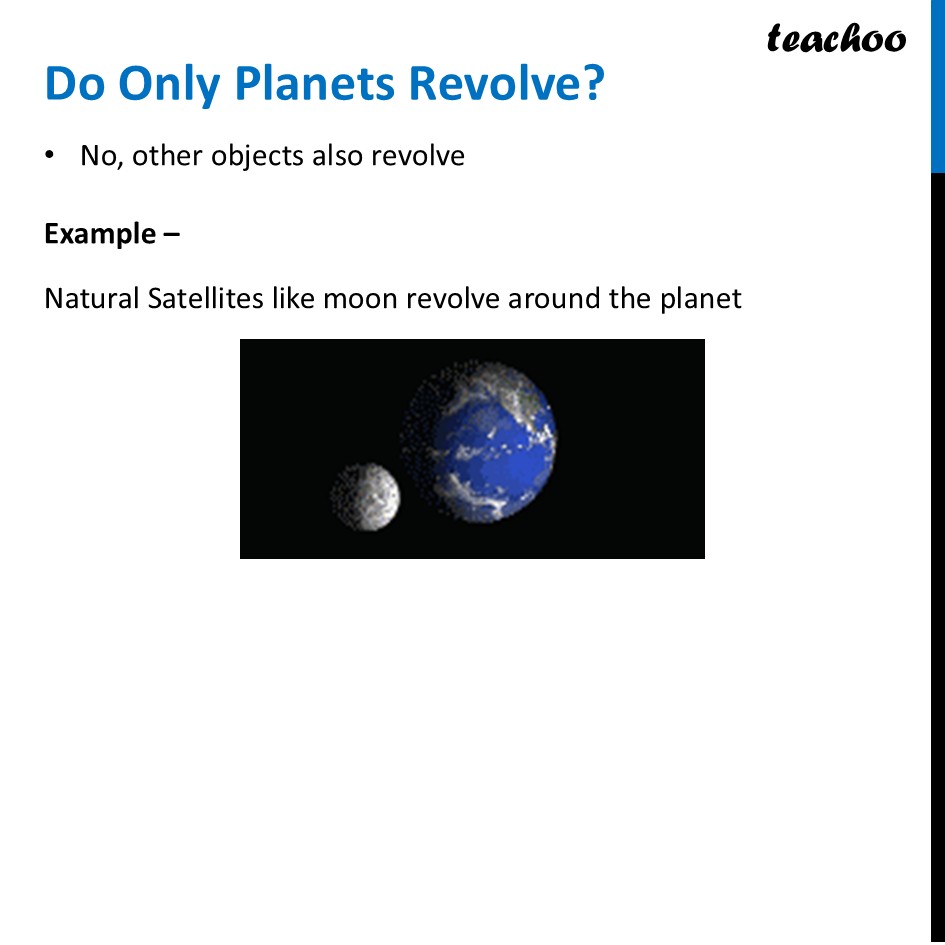
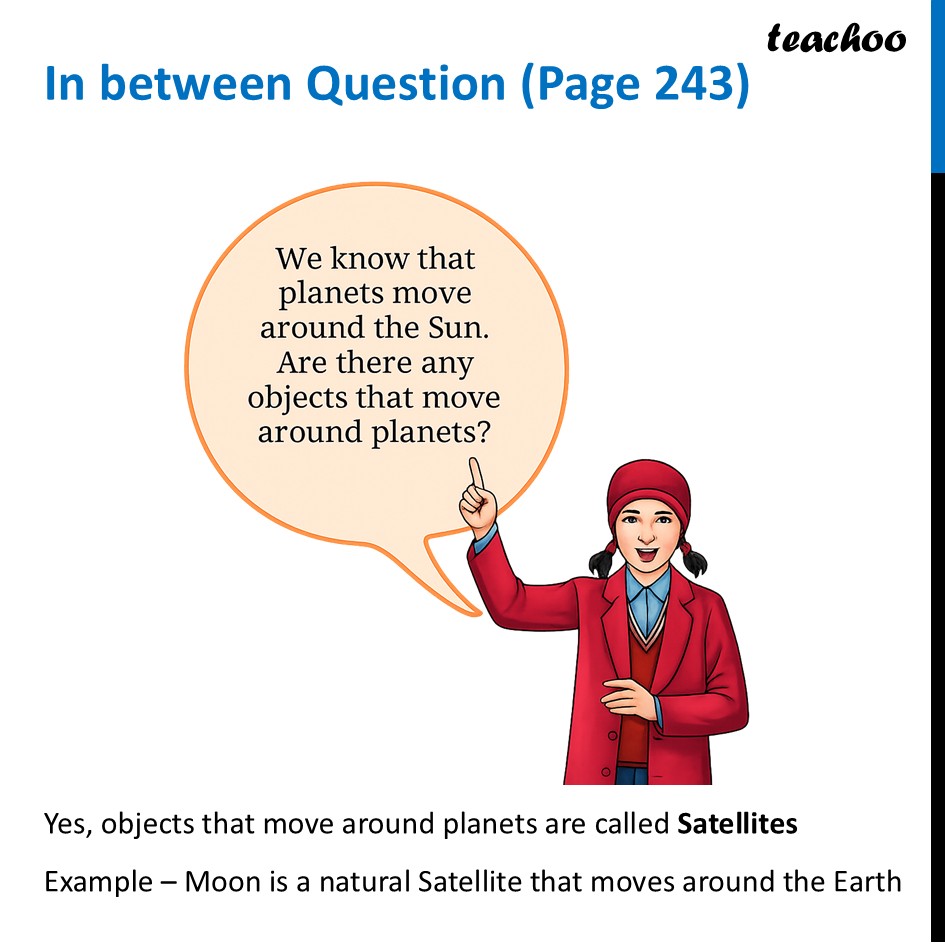
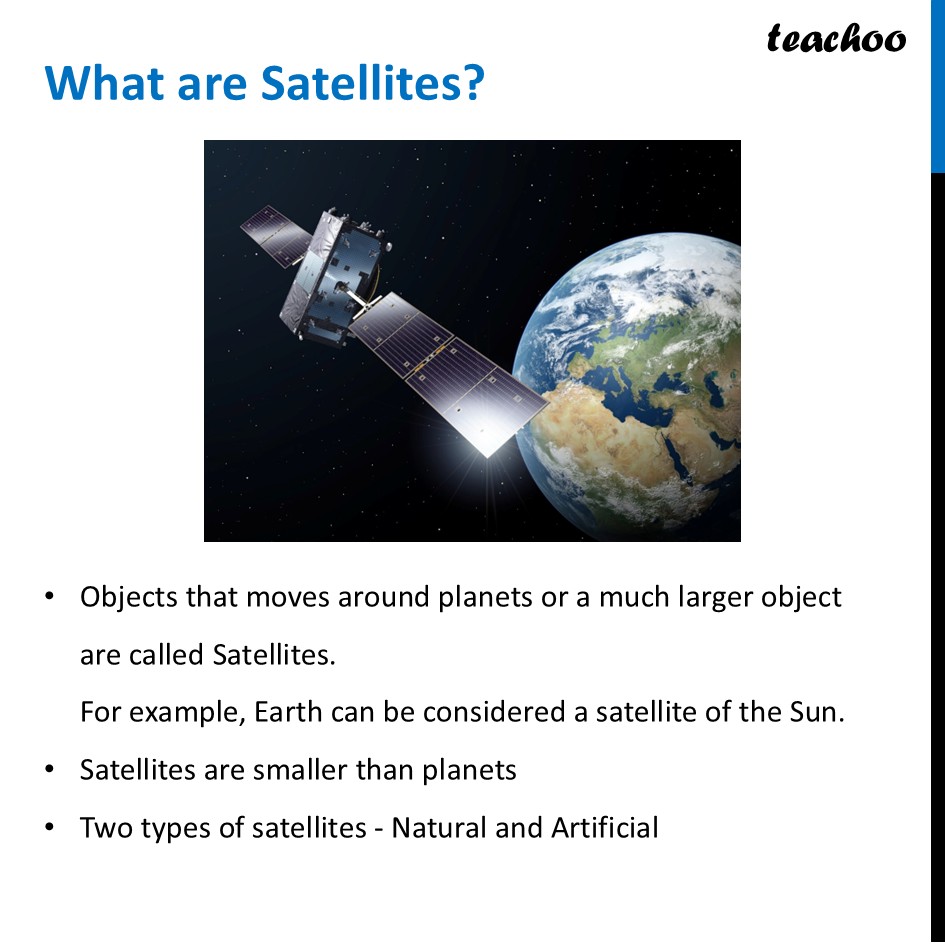
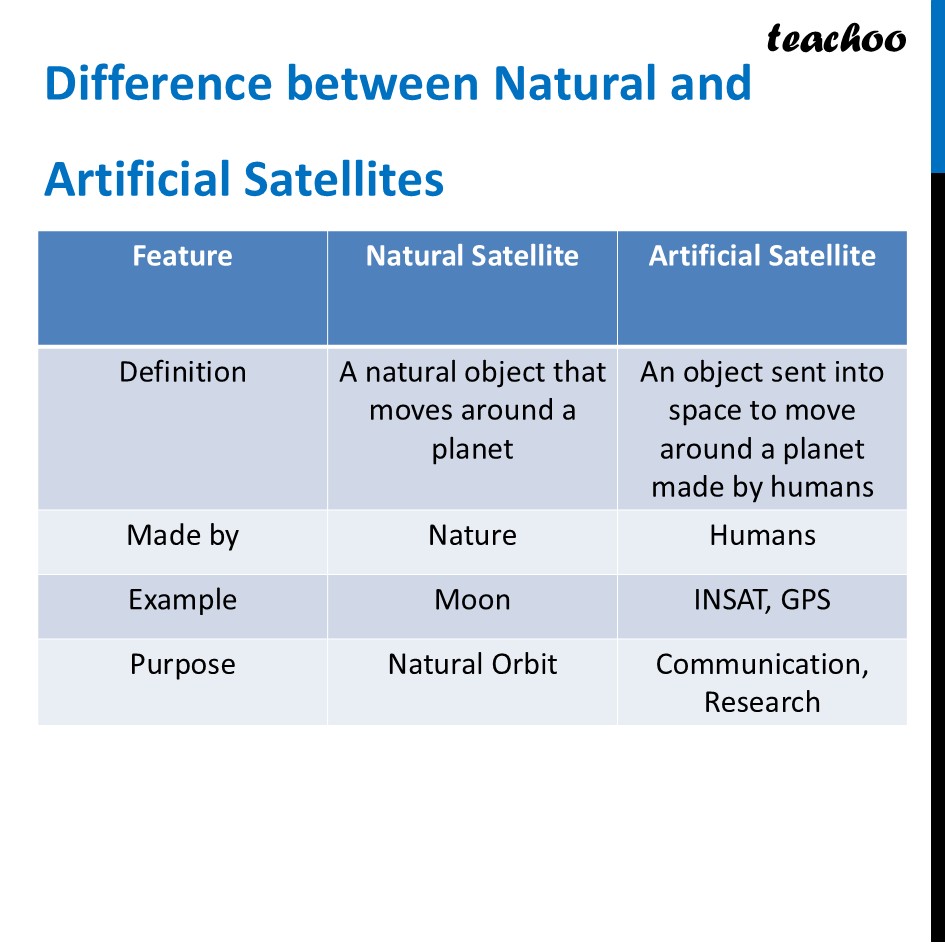
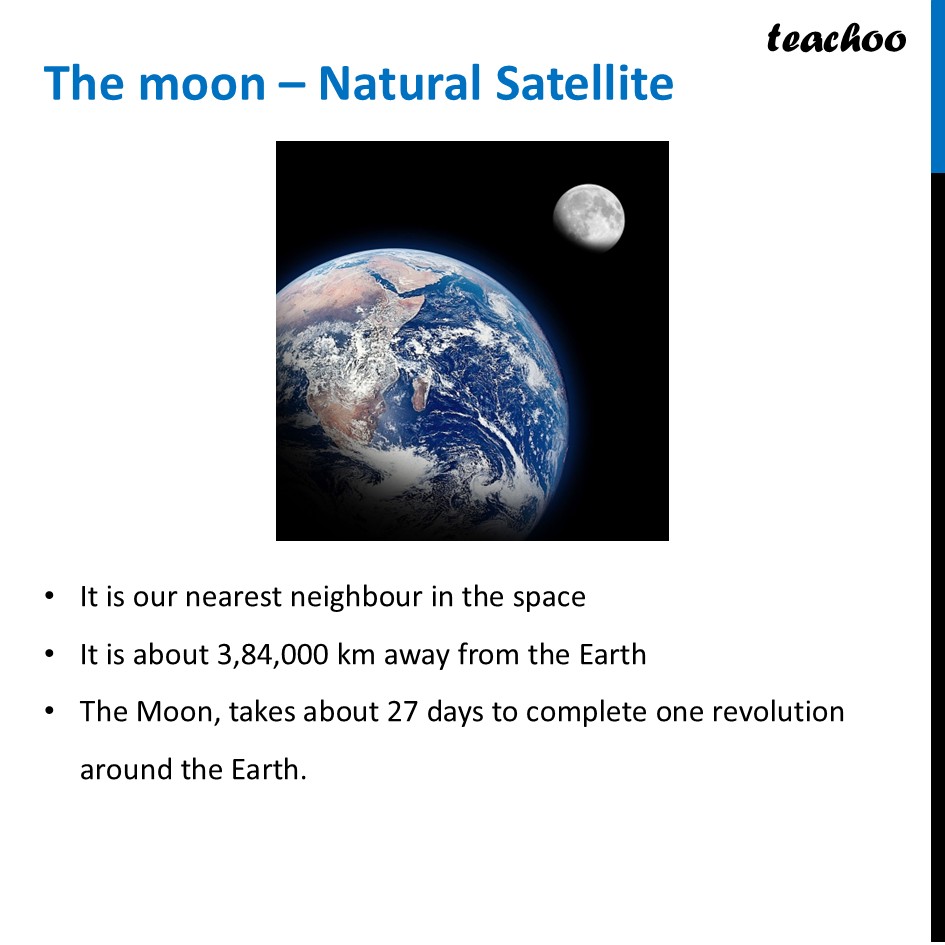
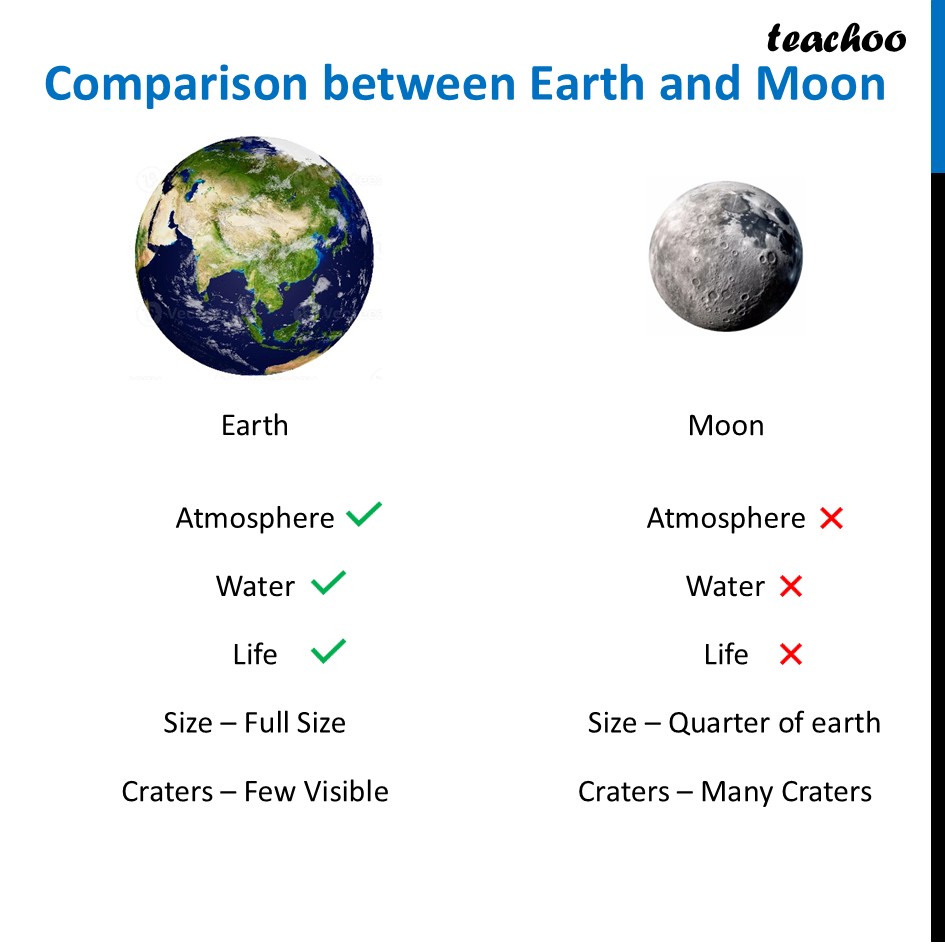
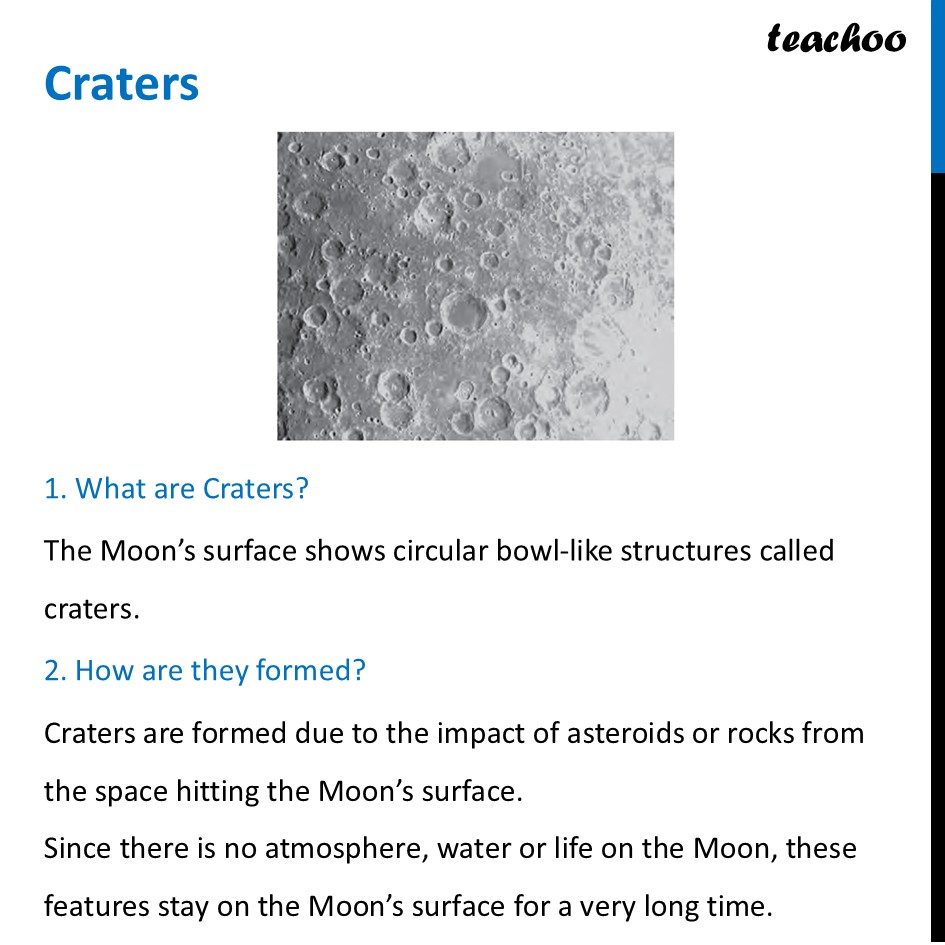
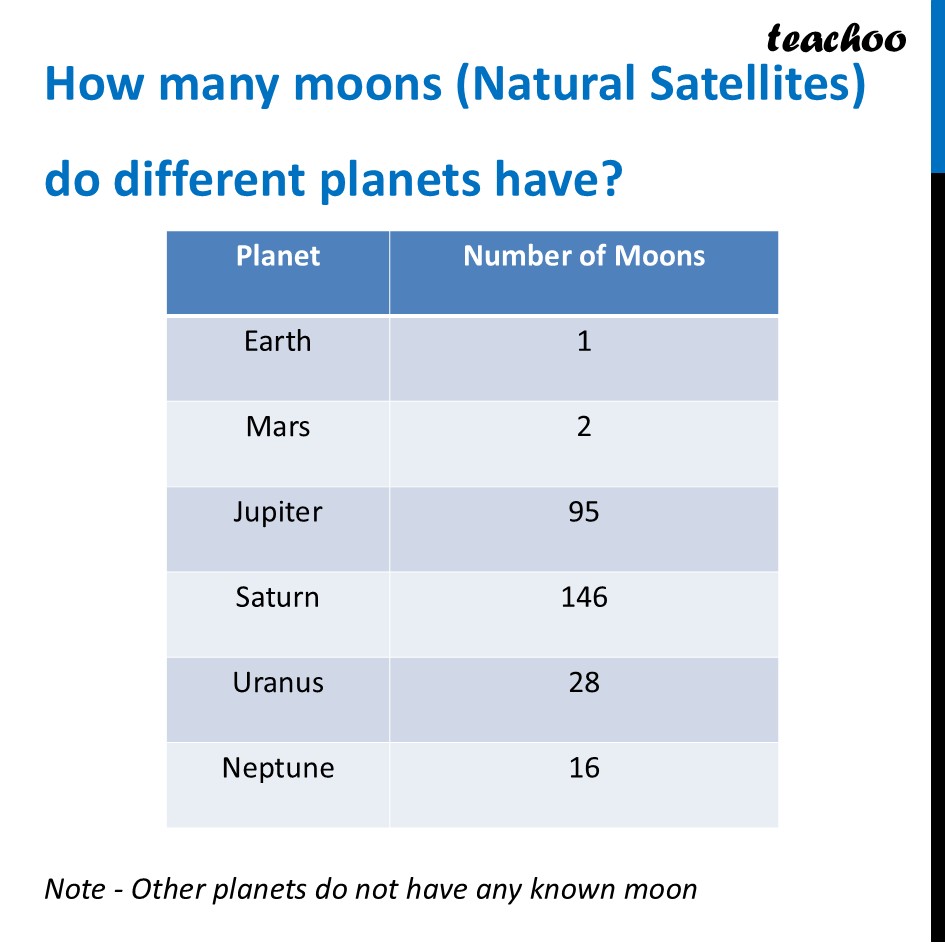
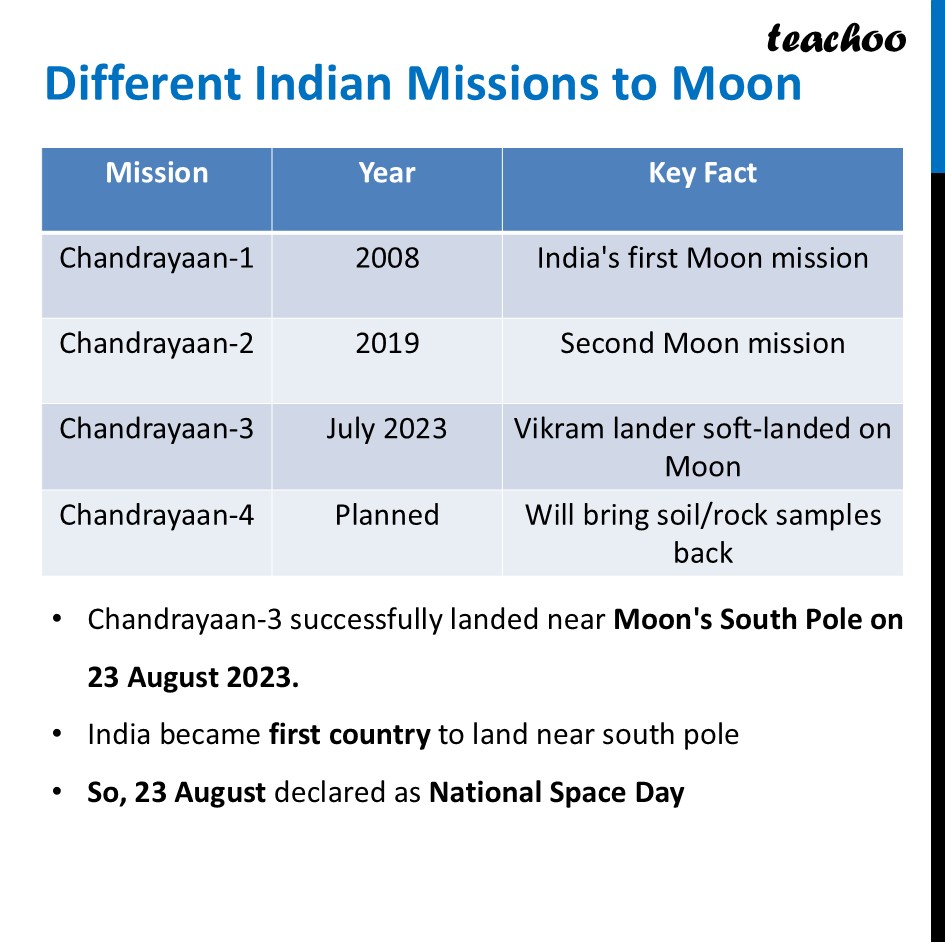
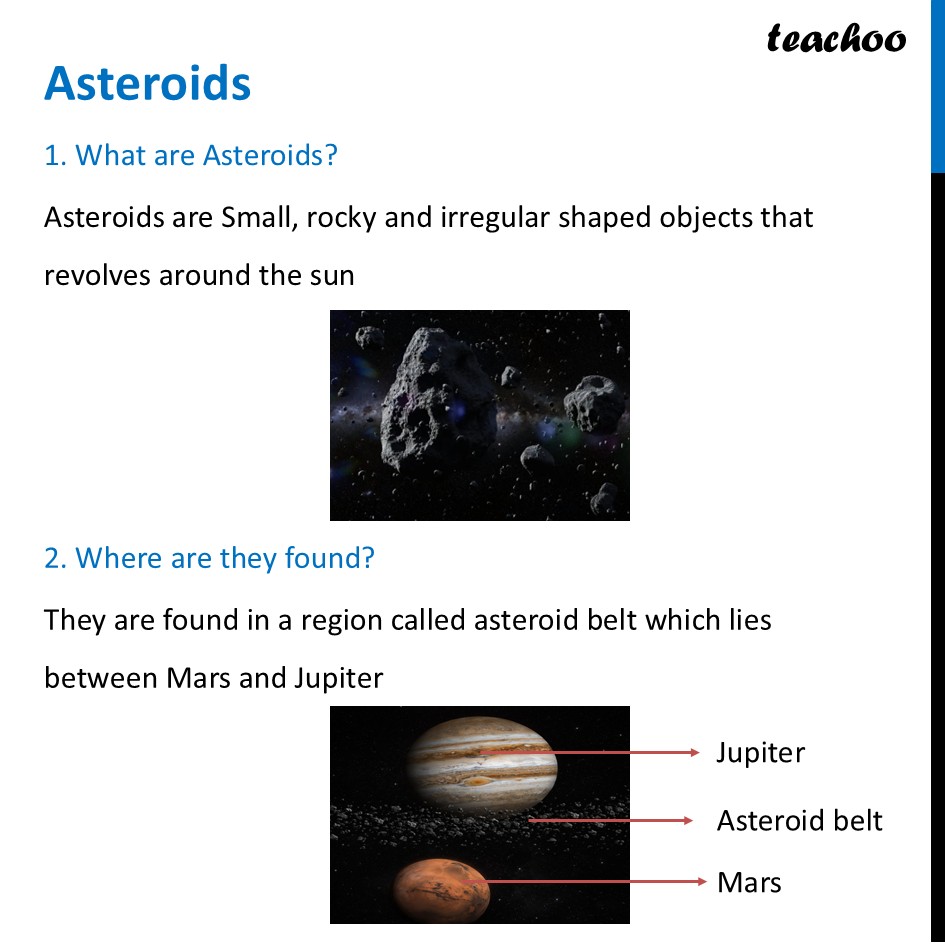
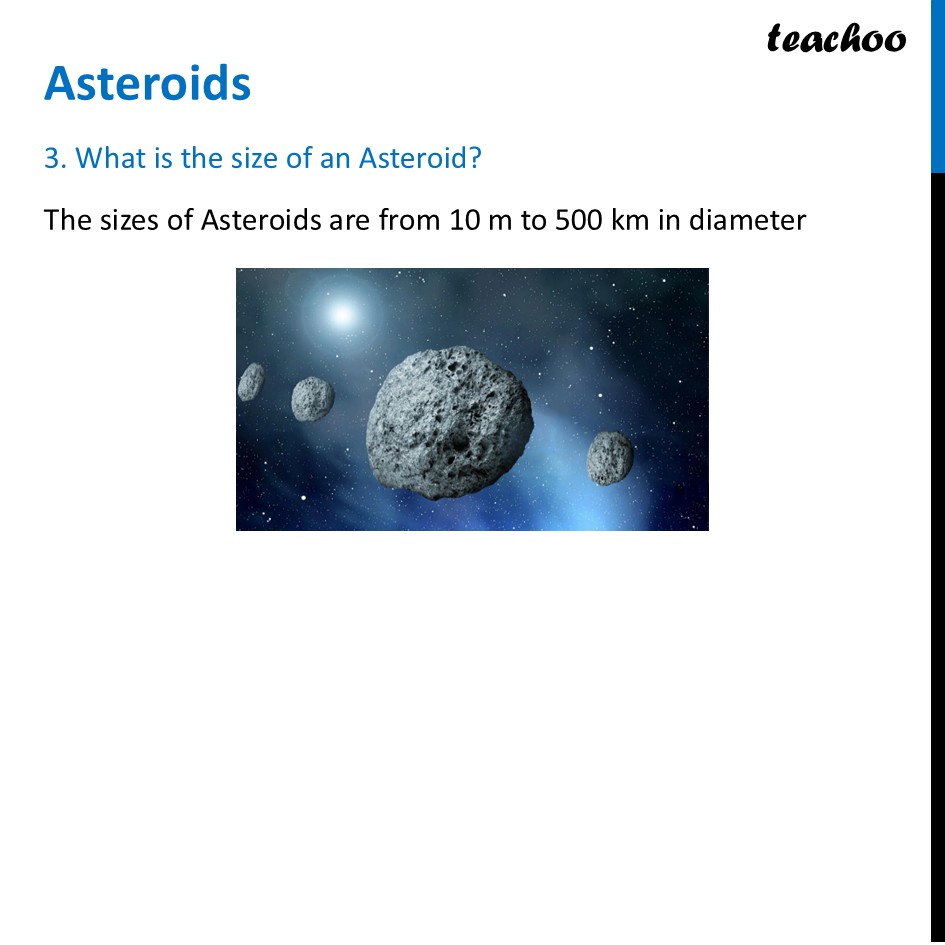
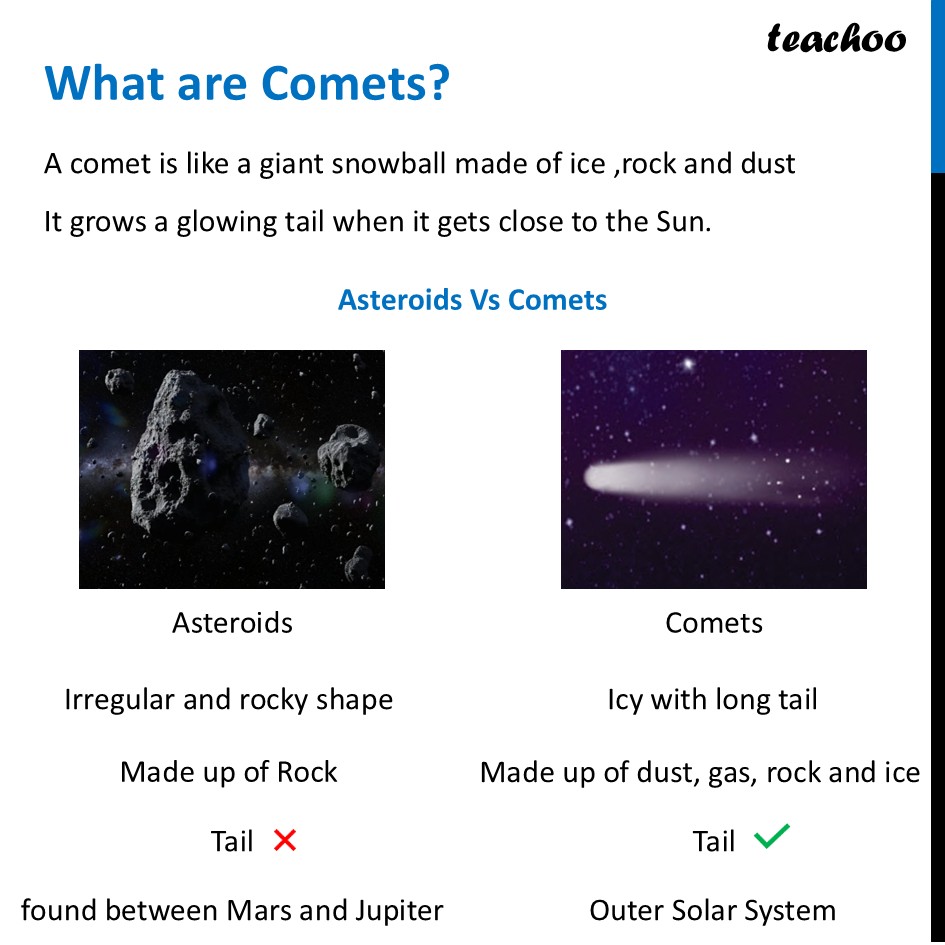
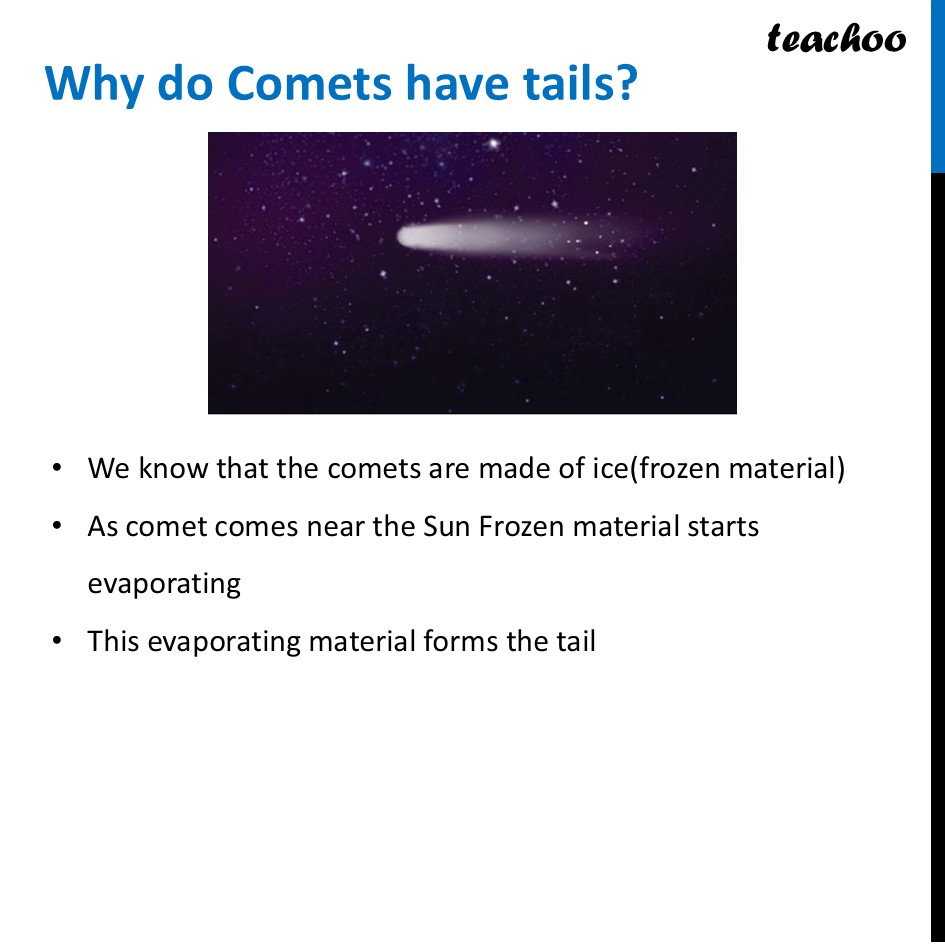
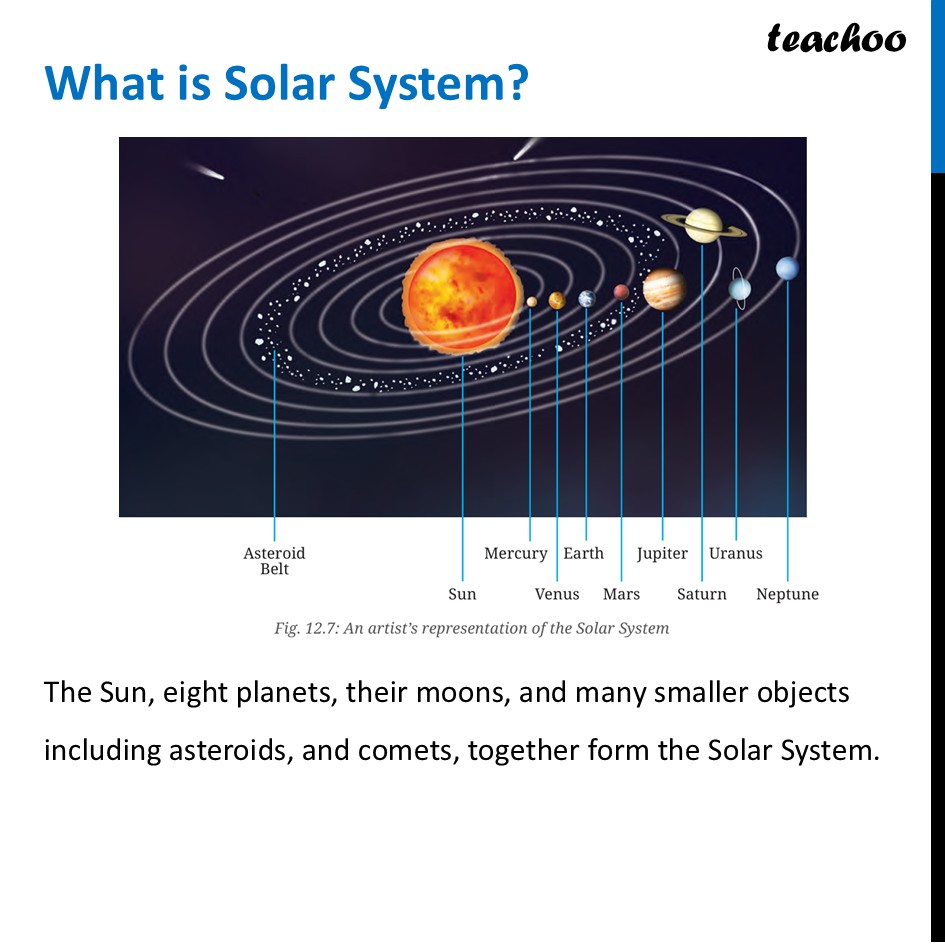
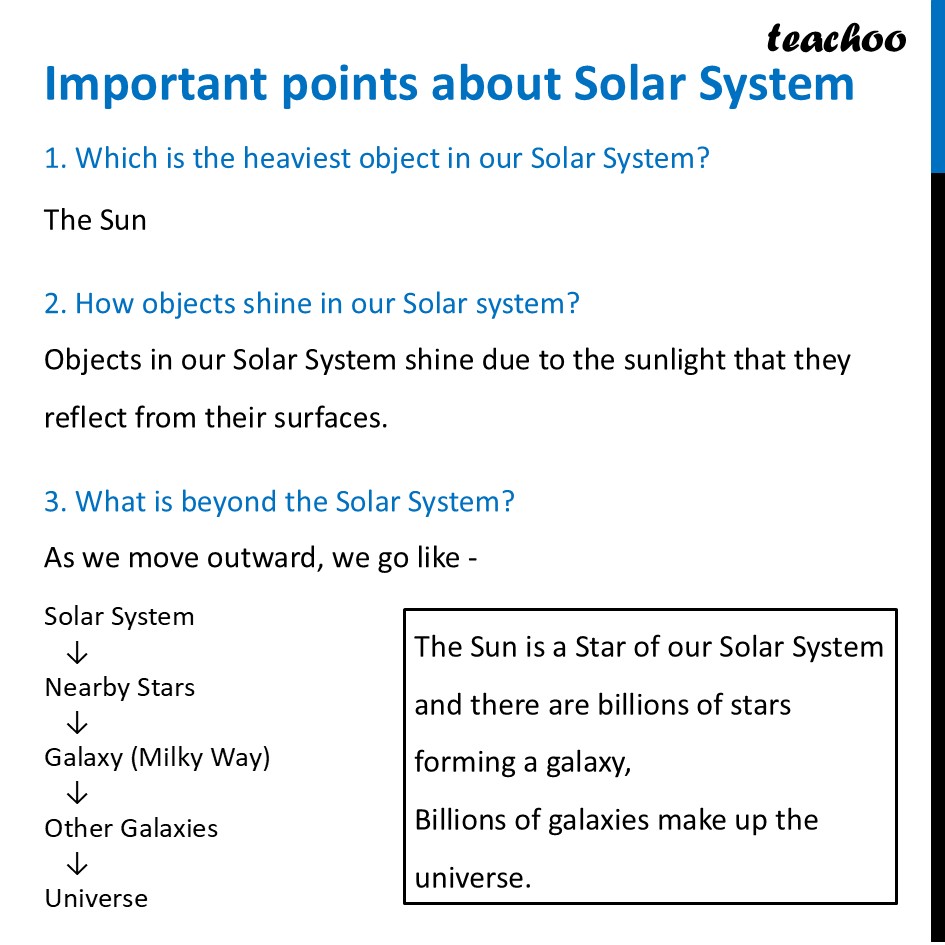
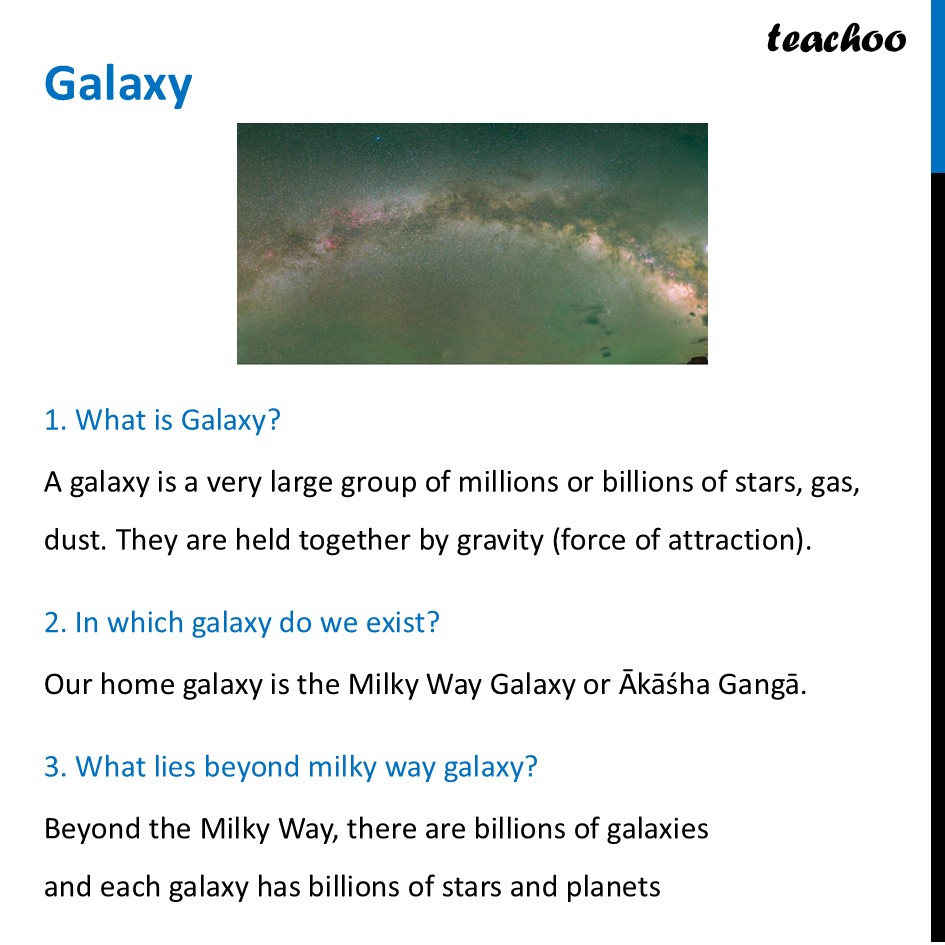
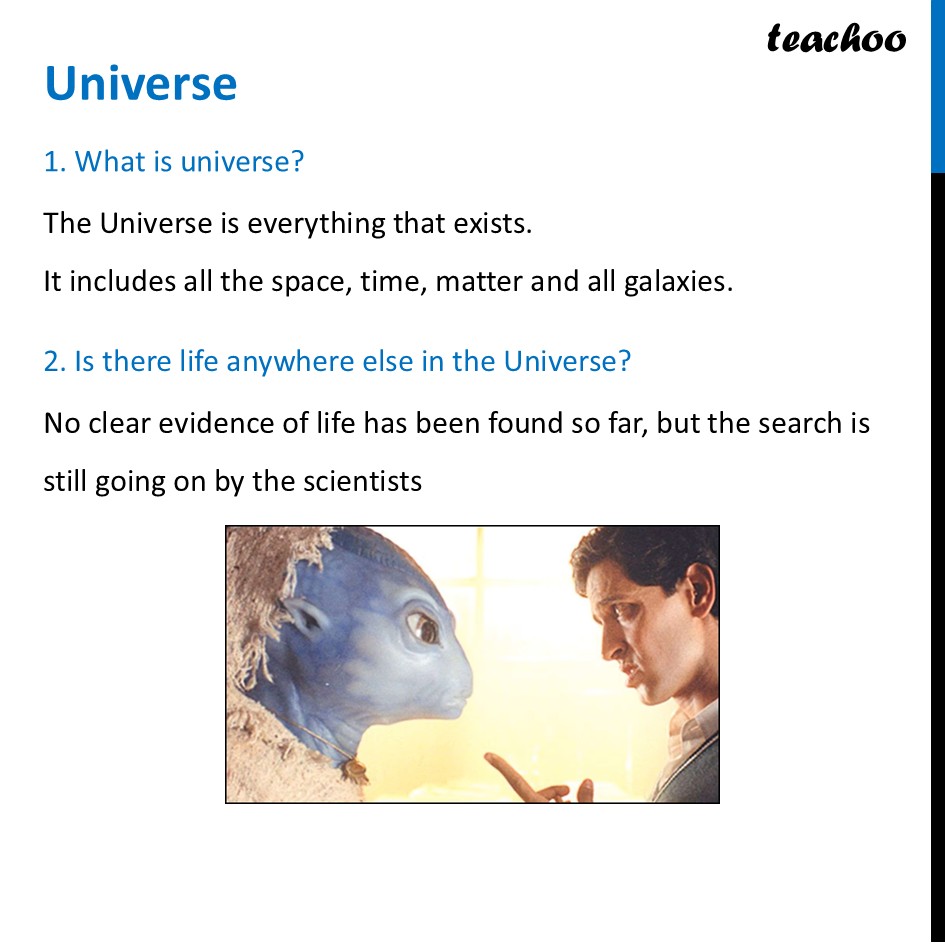
What is Solar System?The Solar System is made up of: The Sun Eight planets (Mercury, Venus, Earth, Mars, Jupiter, Saturn, Uranus, Neptune) Their moons (satellites) Other smaller objects like asteroids and comets Let’s learn about it one by one Important Points about Sun1. Which is closest Star to Earth? The Sun (nearest) and Proxima Centauri 2. What is Main Source of Energy of Earth? The Sun Important Points about Sun3. How big is Sun? The Sun is about 100 times bigger than the Earth in diameter. 4. If Sun is so big, why does it look so small? The Sun looks so small because it is very far from the Earth. Important Points about Sun5. Why does Sun glows so brightly? The Sun is a star made of very hot gases. It produces a huge amount of energy (heat and light). Because of this energy, the Sun shines very brightly. How Sun helps in sustaining life on Earth?Sun helps plants to grow which provide us food Sun helps in optimum temperature for life Sun is responsible for water cycles and rains Sun is responsible for climate, seasons, weather. What is astronomical Unit?It is a unit for representing distances within the solar system 1 au = 150 million km (approximately) Examples Distance between Earth and Sun is 1 au Distance between Earth and Proxima Centuari is 269000 au In Between Question (Page 239)AnswerDuring Daytime, Only Sun is visible and stars are not. During night, Only Stars are visible and sun is not. During early morning and late evening, Sometimes both Sun and Stars are visible . Note – Some stars are bigger than the sun but they appears small because they are farther away In between Question (Page 240)No, apart from stars there are planets, satellites (moon), asteroids and comets Let’s learn about them one by one What are Planets?A planet is a large, nearly spherical object that revolves around the Sun. Example – Earth is a planet which revolves around the Sun. It takes 365 days for Earth to revolve around the Sun. Do all Planets revolve around the Sun?Yes, all the eight planets and other objects of Solar System, Mercury, Venus, Earth, Mars, Jupiter, Saturn, Uranus, and Neptune revolve around the Sun. Does Earth rotate or revolve?It does both. Revolution Rotation The movement of an object around the Sun is called revolution. The movement of an object spinning on its own axis is called rotation. Earth takes 365 days to complete 1 revolution. Earth takes 1 day (24 hours) to complete 1 rotation. Difference between Rotation and RevolutionFeature Rotation Revolution Movement The movement of an object spinning on its own axis is called rotation. The movement of an object around the Sun is called revolution. Time Taken 24 hours days Main effect Day night SeasonsOrder of PlanetsMercury Venus Earth Mars Innermost Planets Jupiter Saturn Uranus Neptune Outermost Planets How to Remember ? My Very Educated Mother Just Served Us Nachos. Innermost PlanetsThe inner four planets nearest to the Sun are smaller in size. They have solid surfaces with rocks on them. Mercury Closest to the Sun Venus The Brightest planet in Sky Called Morning/ Evening Star (even though it is not a star as it shines brightly at Dawn and Dusk Earth Called our home planet Blue Planet as it appears blue from the sky because large portion of earth’s surface is water Mars Red Planet as it appears red because the soil on Mars is reddish in colour Outermost PlanetsThe four outermost planets are much larger compared to the Earth. They are mostly made of gases. These giant gaseous planets have large flat ring-like structures around them which are made of dust particles and rocky material. Jupiter Largest Planet Has many Moons Saturn Has Large flat ring, Mostly made of gases Uranus Third largest planet, Not visible to naked eye Neptune Farthest from the sun, Coldest outer planet Which planets are hot and which are colder?Farther from Sun = colder in general Inner planets (Mercury, Venus) are hotter Outer planets (Uranus, Neptune) are coldest They are hot as they are near to sun They are cold as they are far from sun Why is Venus hotter than Mercury even though it is farther from sun? Venus Mercury Venus has a thick atmosphere. Mercury has no atmosphere at all. This atmosphere traps heat inside Venus. Heat from the Sun hits Mercury directly. Heat cannot escape - like a blanket around Venus. Heat escapes quickly back into space. This is why Venus stays very hot. So, Mercury cannot hold heat and stays cooler.Which planets are visible to us by naked eye?Venus — brightest planet, seen at dawn/dusk Mercury — visible to naked eye Mars — visible, appears red Jupiter — visible to naked eye Saturn — visible to naked eye Indian names of different planetsPlanet Indian Name Mercury Budha Venus Śhukra Earth Prithvī Mars Mangala Jupiter Brihaspati / Guru Saturn ŚhaniWhat are Dwarf planets? Give example. A dwarf planet is a small object in space that revolves around the Sun but is too small to be called a full planet. For example - Pluto is a dwarf planet Pluto lies farther than Neptune and revolves around the Sun It is smaller than Earth's Moon When first discovered, it was called a planet Later, many more similar small objects were discovered In 2006, IAU redefined the meaning of a planet Pluto was then renamed as a Dwarf Planet How can we distinguish between Planets and stars?Planets Stars A planet is a large, nearly spherical object that revolves around the Sun. A star is a natural object in space that shines by itself. Planets do not twinkle in the night sky. Stars appear to twinkle a lot in the night sky. Planets shine because they reflect sunlight. Stars shine because they produce their own light.How can we view those planets which are not visible by naked eye? We can see many sky objects with our naked eyes directly. Using binoculars or a telescope makes objects appear brighter and larger. A telescope also helps us see dim objects that are not visible to the naked eye. Binoculars Telescope Do Only Planets Revolve?No, other objects also revolve Example – Natural Satellites like moon revolve around the planet In between Question (Page 243)We know that planets move around the Sun. Are there any objects that move around planets?Yes, objects that move around planets are called Satellites Example – Moon is a natural Satellite that moves around the Earth What are Satellites?Objects that moves around planets or a much larger object are called Satellites. For example, Earth can be considered a satellite of the Sun. Satellites are smaller than planets Two types of satellites - Natural and Artificial Difference between Natural and Artificial SatellitesFeature Natural Satellite Artificial Satellite Definition A natural object that moves around a planet An object sent into space to move around a planet made by humans Made by Nature Humans Example Purpose Moon INSAT, GPS Natural Orbit Communication, Research The moon – Natural Satellite It is our nearest neighbour in the space It is about 3,84,000 km away from the Earth The Moon, takes about 27 days to complete one revolution around the Earth. Comparison between Earth and MoonEarth Moon Atmosphere Atmosphere Water Water × Life Life × Size - Full Size Size - Quarter of earth Craters - Few Visible Craters - Many CratersCraters1. What are Craters? The Moon’s surface shows circular bowl-like structures called craters. 2. How are they formed? Craters are formed due to the impact of asteroids or rocks from the space hitting the Moon’s surface. Since there is no atmosphere, water or life on the Moon, these features stay on the Moon’s surface for a very long time. How many moons (Natural Satellites) do different planets have?Planet Number of Moons Earth 1 Mars 2 Jupiter 95 Saturn 146 Uranus 28 Neptune 16Different Indian Missions to MoonMission Year Key Fact Chandrayaan-1 2008 India's first Moon mission Chandrayaan-2 2019 Second Moon mission Chandrayaan-3 July 2023 Vikram lander soft-landed on Moon Chandrayaan-4 Planned Will bring soil/rock samples back Chandrayaan-3 successfully landed near Moon's South Pole on 23 August 2023. India became first country to land near south pole So, 23 August declared as National Space Day Asteroids1. What are Asteroids? Asteroids are Small, rocky and irregular shaped objects that revolves around the sun 2. Where are they found? They are found in a region called asteroid belt which lies between Mars and Jupiter Jupiter Asteroid belt Mars Asteroids3. What is the size of an Asteroid? The sizes of Asteroids are from 10 m to 500 km in diameter What are Comets?A comet is like a giant snowball made of ice ,rock and dust It grows a glowing tail when it gets close to the Sun. Asteroids Vs Comets Asteroids Irregular and rocky shape Made up of Rock Tail found between Mars and Jupiter Comets Icy with long tail Made up of dust, gas, rock and ice Tail Outer Solar System Why do Comets have tails?We know that the comets are made of ice(frozen material) As comet comes near the Sun Frozen material starts evaporating This evaporating material forms the tail Important points about Comets1. Do all Comets revolve around the Sun? Most comets revolve around the Sun, However, few comets get broken up and fall into the Sun or other planets when they approach them Some comets also escape out of the Solar System 2. Which is the famous comet? Halley’s Comet It appears every 76 years. Its last appearance was in 1986 3. Do Comets Bring Bad Luck? In many cultures, comets have been feared and it was earlier believed that comets bring bad luck but these are just icy - rocky visitors making a trip close to the Sun. Other names of CometIn Sanskrit and a few other Indian languages, a comet is called Dhūmaketu. Various tribes in India also call it Pucchya-Taro (star with a tail) or Zendya Taro (star like a flag). Other names of CometIn Sanskrit and a few other Indian languages, a comet is called Dhūmaketu. Various tribes in India also call it Pucchya-Taro (star with a tail) or Zendya Taro (star like a flag). What is Solar System?The Sun, eight planets, their moons, and many smaller objects including asteroids, and comets, together form the Solar System. Important points about Solar System1. Which is the heaviest object in our Solar System? The Sun 2. How objects shine in our Solar system? Objects in our Solar System shine due to the sunlight that they reflect from their surfaces. 3. What is beyond the Solar System? As we move outward, we go like - Solar System ↓ Nearby Stars ↓ Galaxy (Milky Way) ↓ Other Galaxies ↓ Universe The Sun is a Star of our Solar System and there are billions of stars forming a galaxy, Billions of galaxies make up the universe. Galaxy1. What is Galaxy? A galaxy is a very large group of millions or billions of stars, gas, dust. They are held together by gravity (force of attraction). 2. In which galaxy do we exist? Our home galaxy is the Milky Way Galaxy or Ākāśha Gangā. 3. What lies beyond milky way galaxy? Beyond the Milky Way, there are billions of galaxies and each galaxy has billions of stars and planets UniverseThe Universe is everything that exists. It includes all the space, time, matter and all galaxies. 2. Is there life anywhere else in the Universe? No clear evidence of life has been found so far, but the search is still going on by the scientists
