
 You are here
![What are Forests? [With Example] Class 6 Science - Nature's Treasures - Concepts](https://cdn.teachoo.com/e3b78e89-d9eb-439e-87c3-eca0bbbcdc0d/slide77.jpg)
Last updated at March 31, 2026 by Teachoo
Transcript
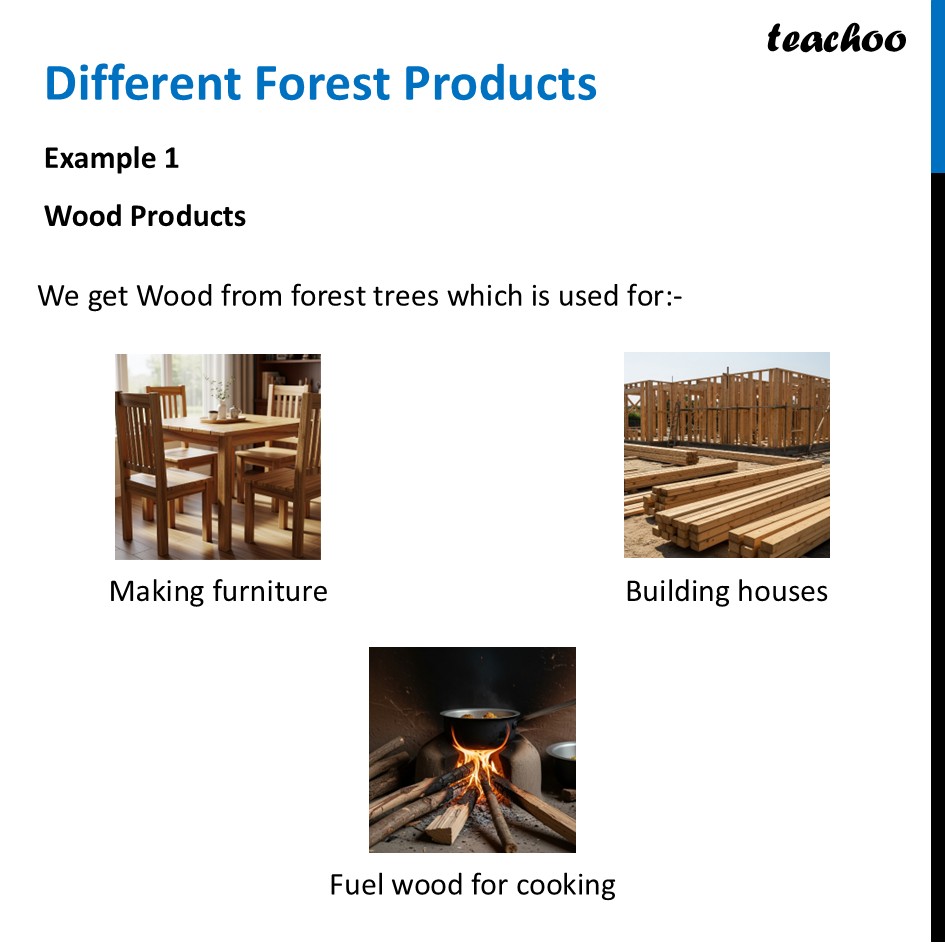
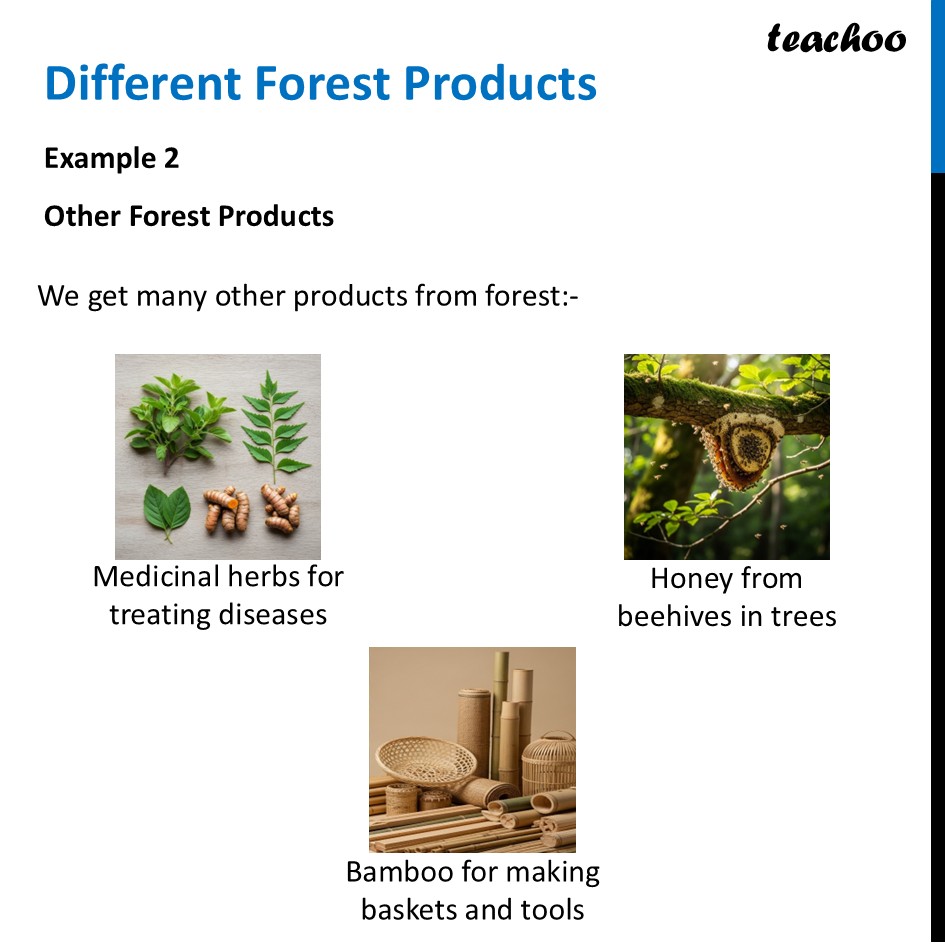
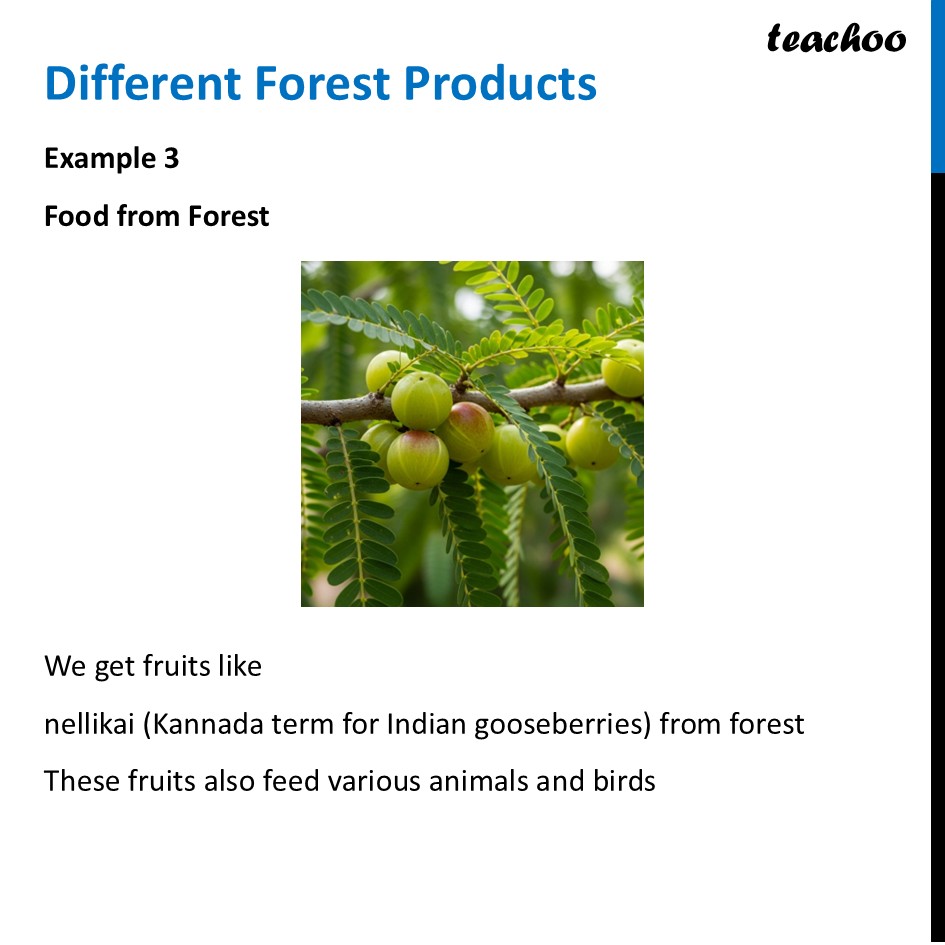
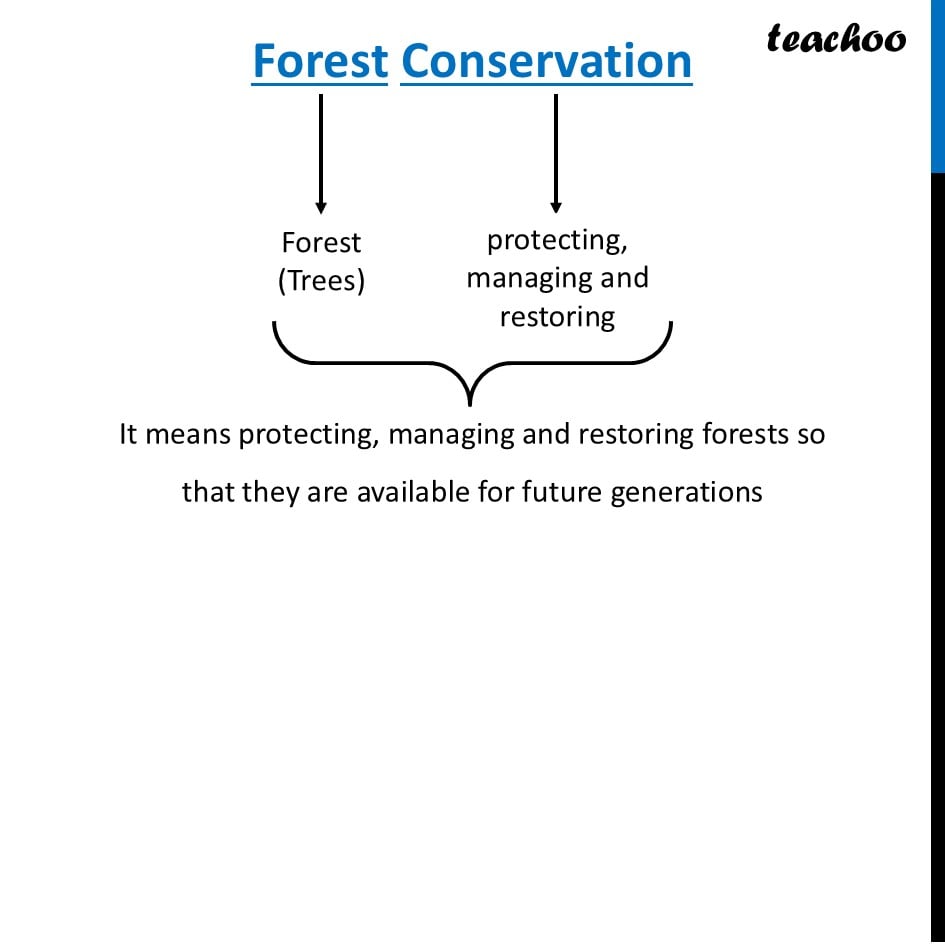
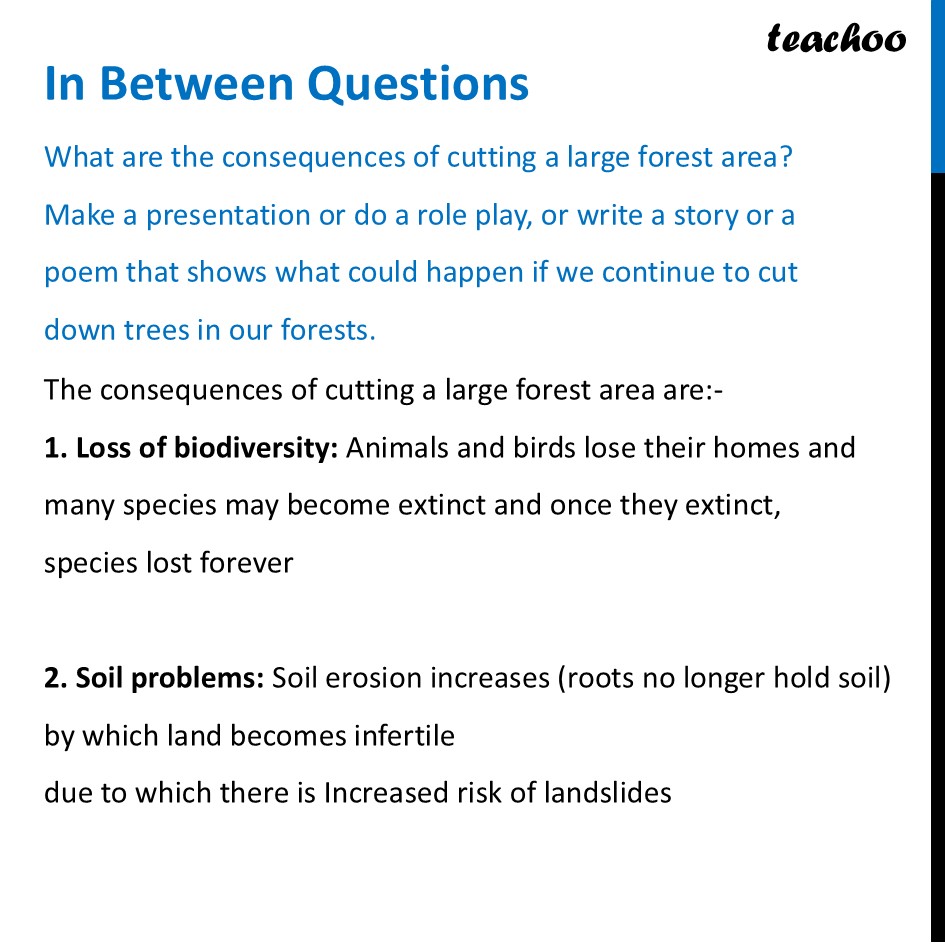
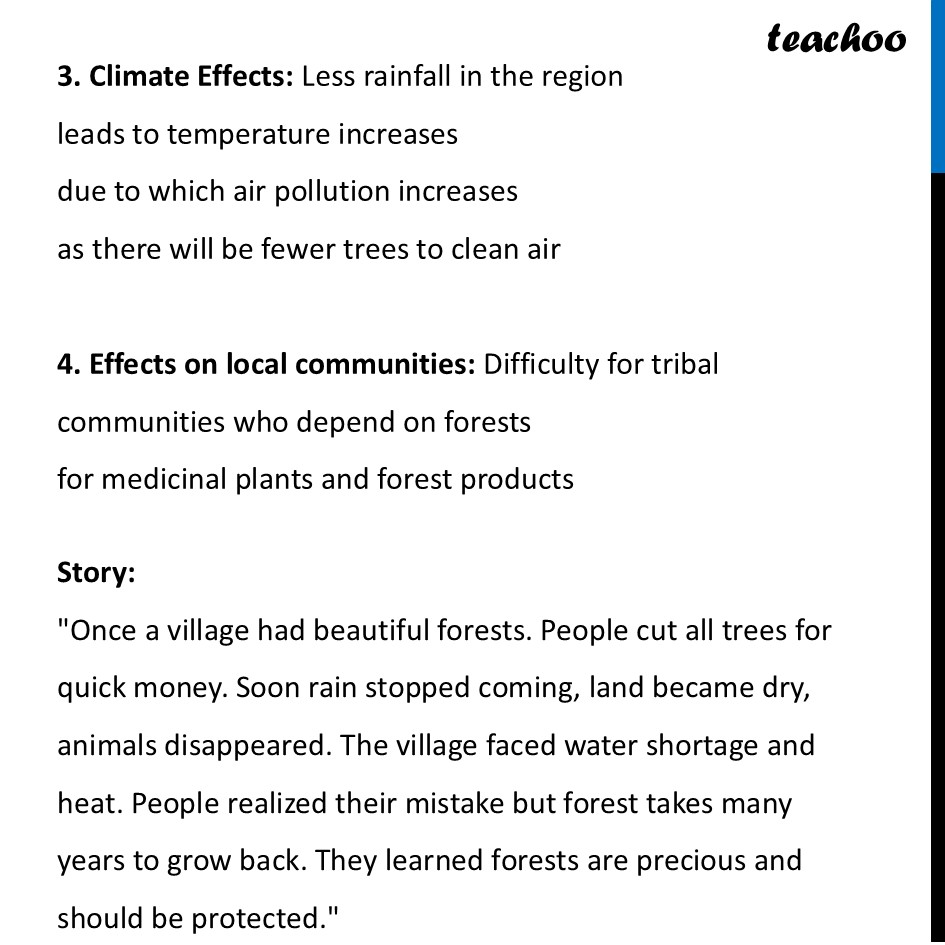
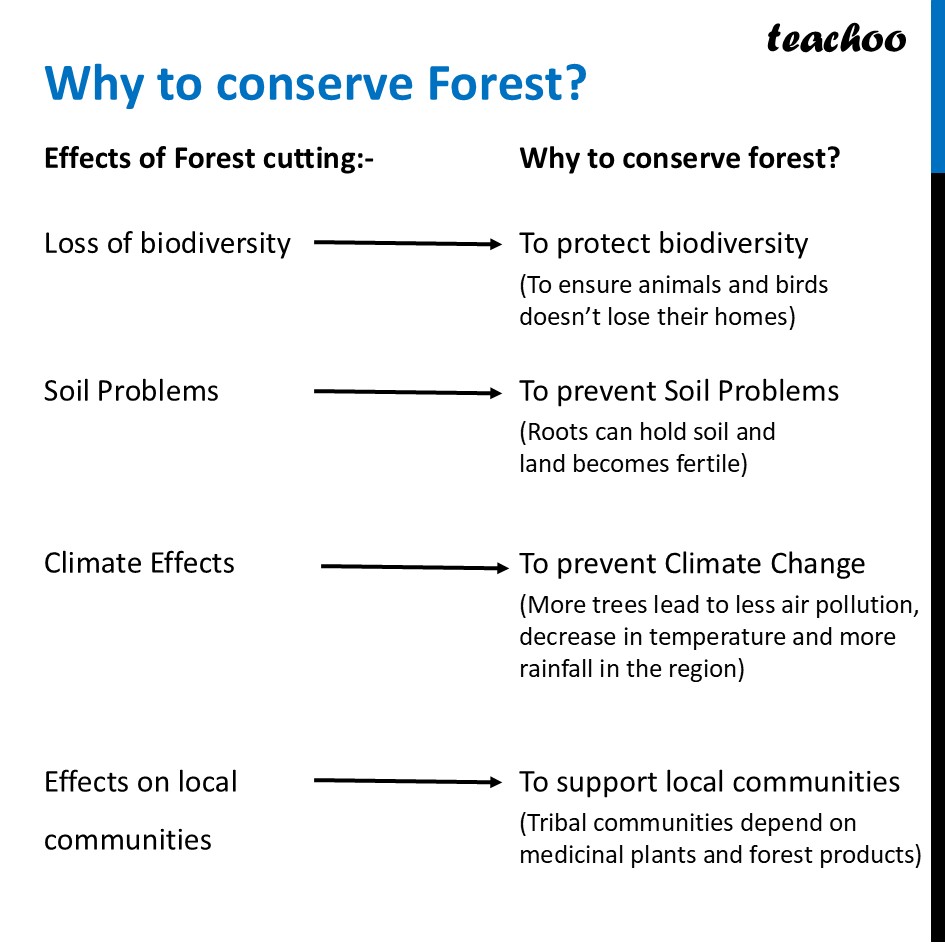
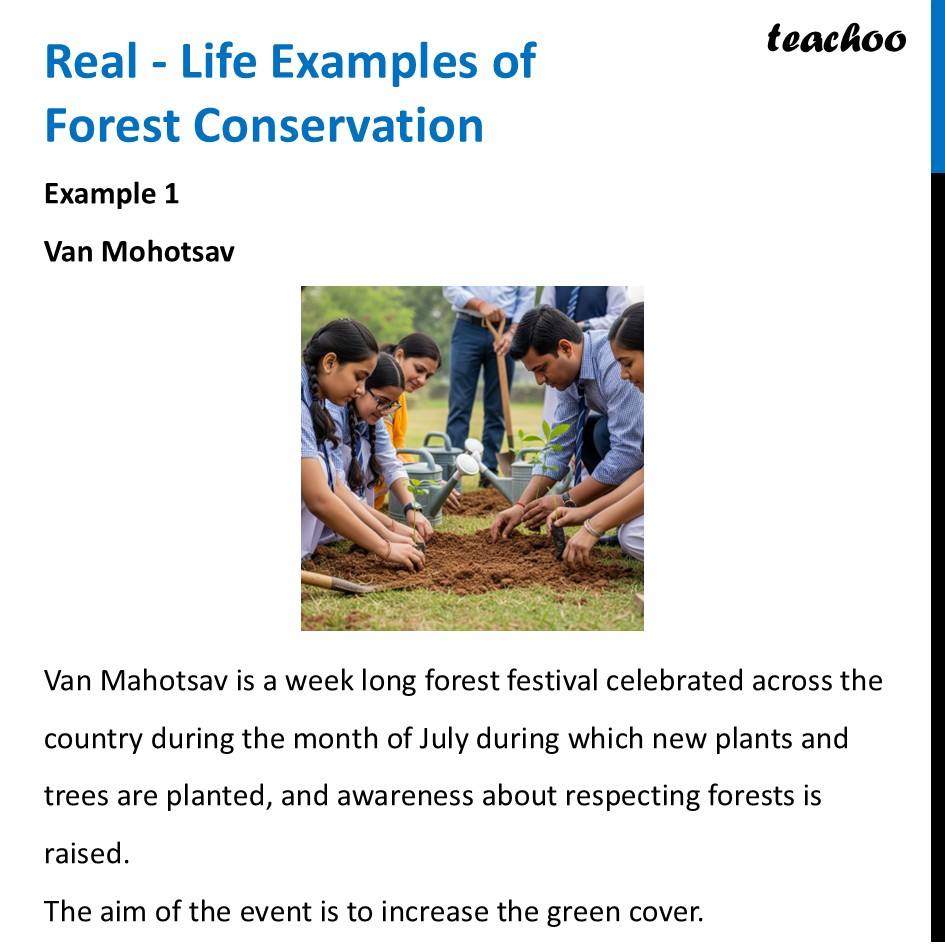
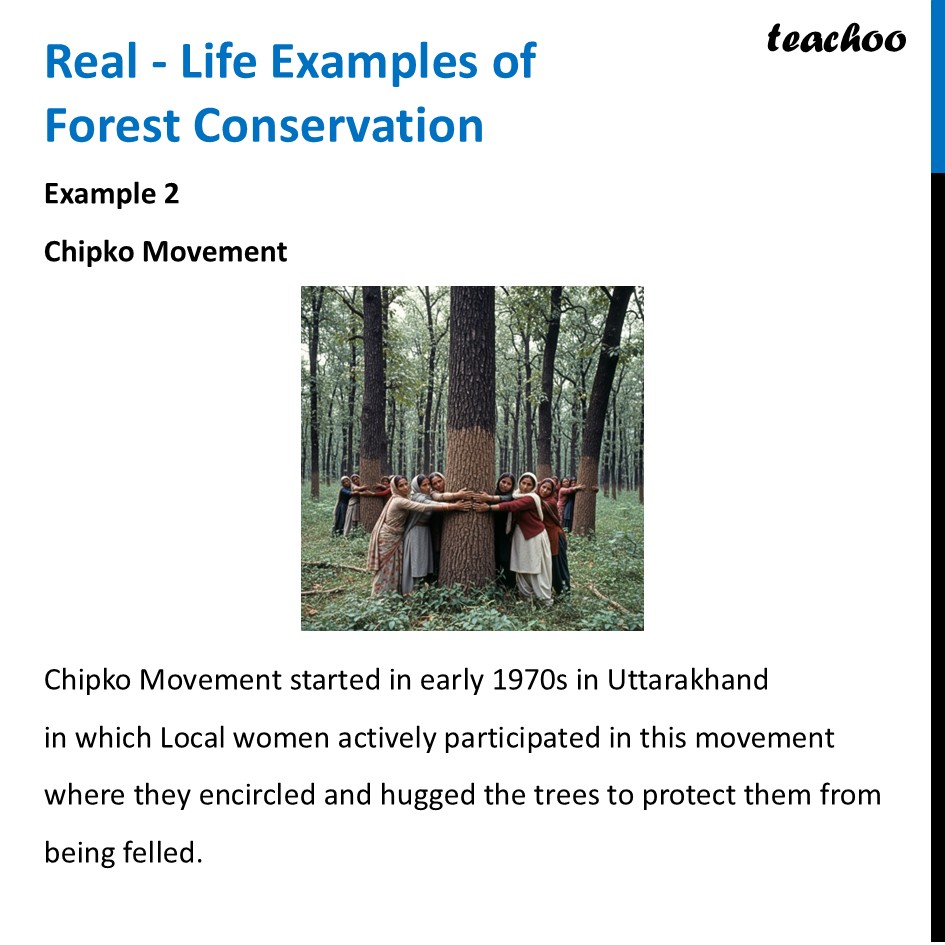
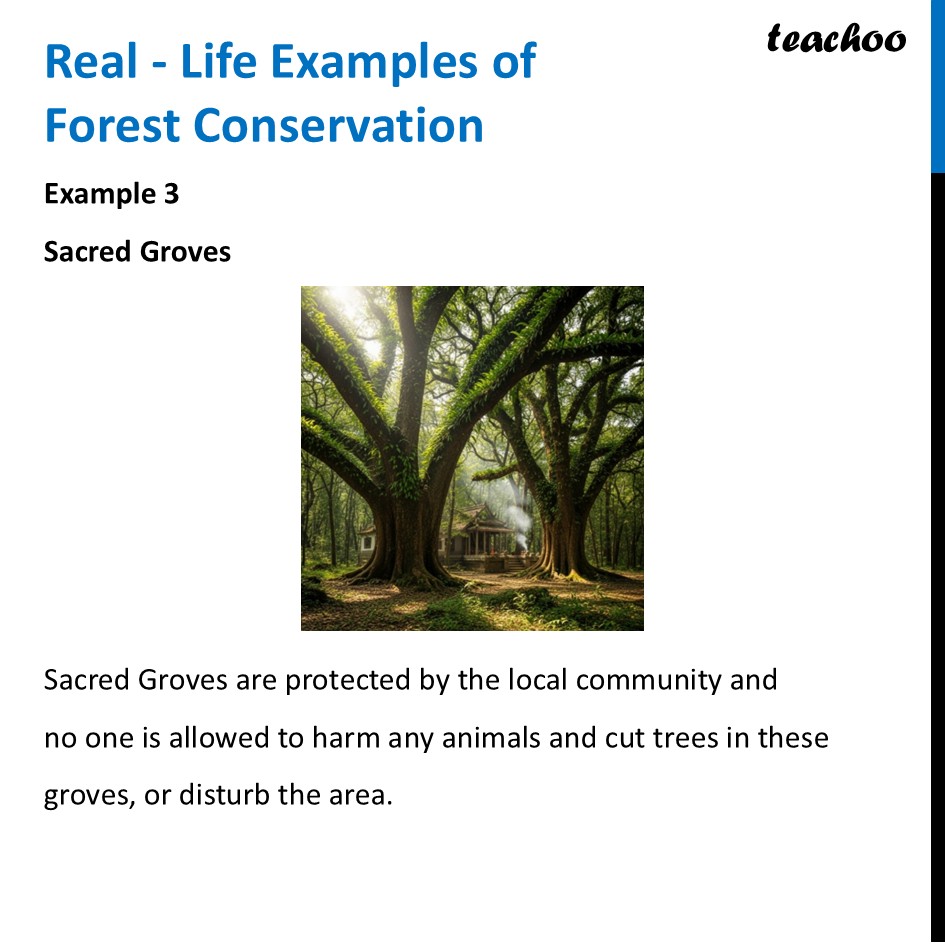
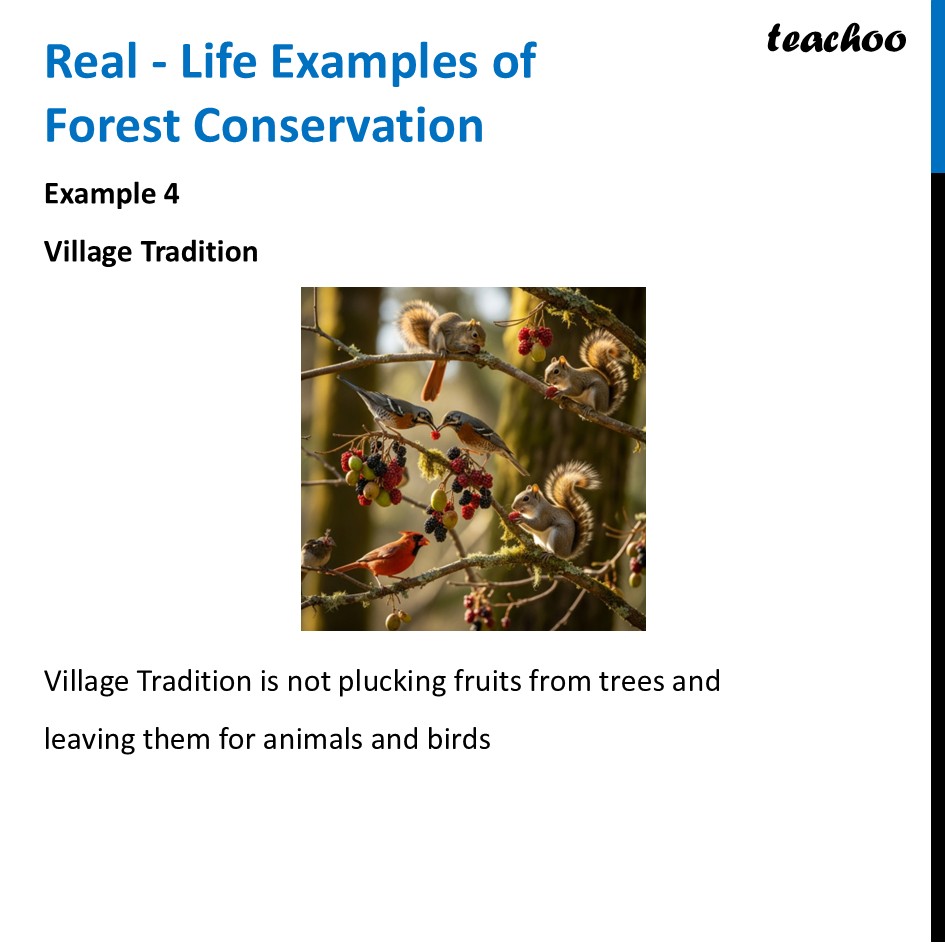
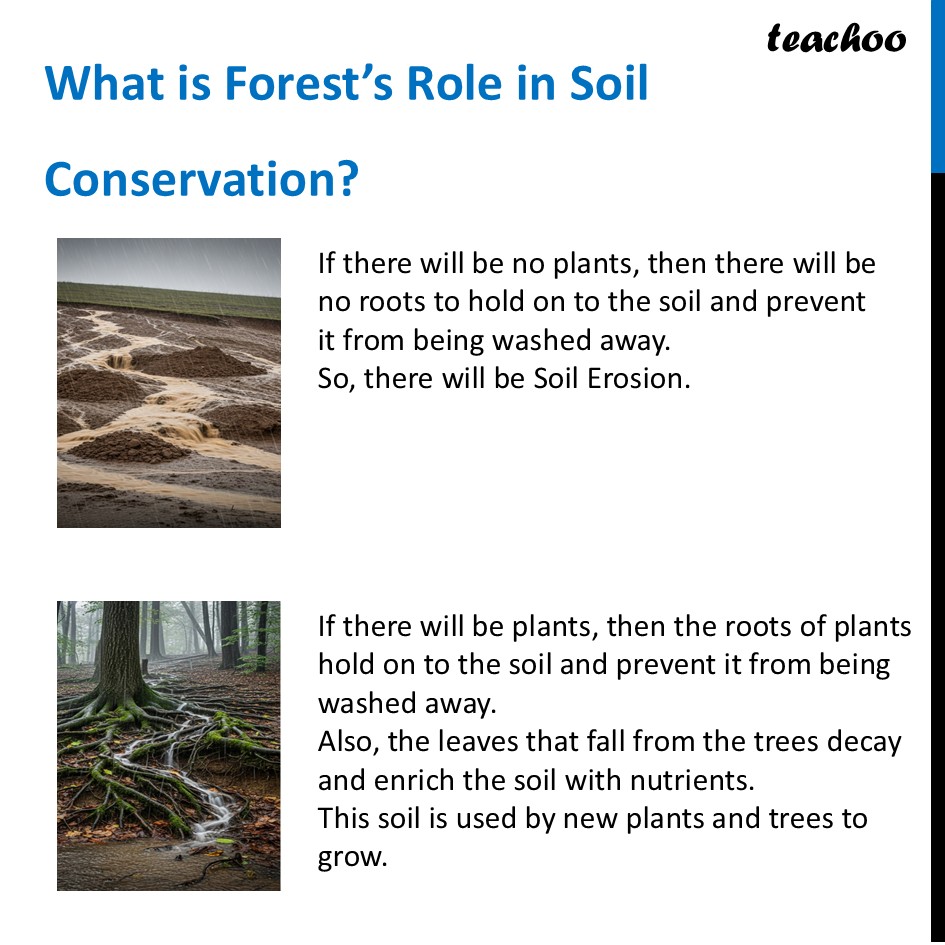
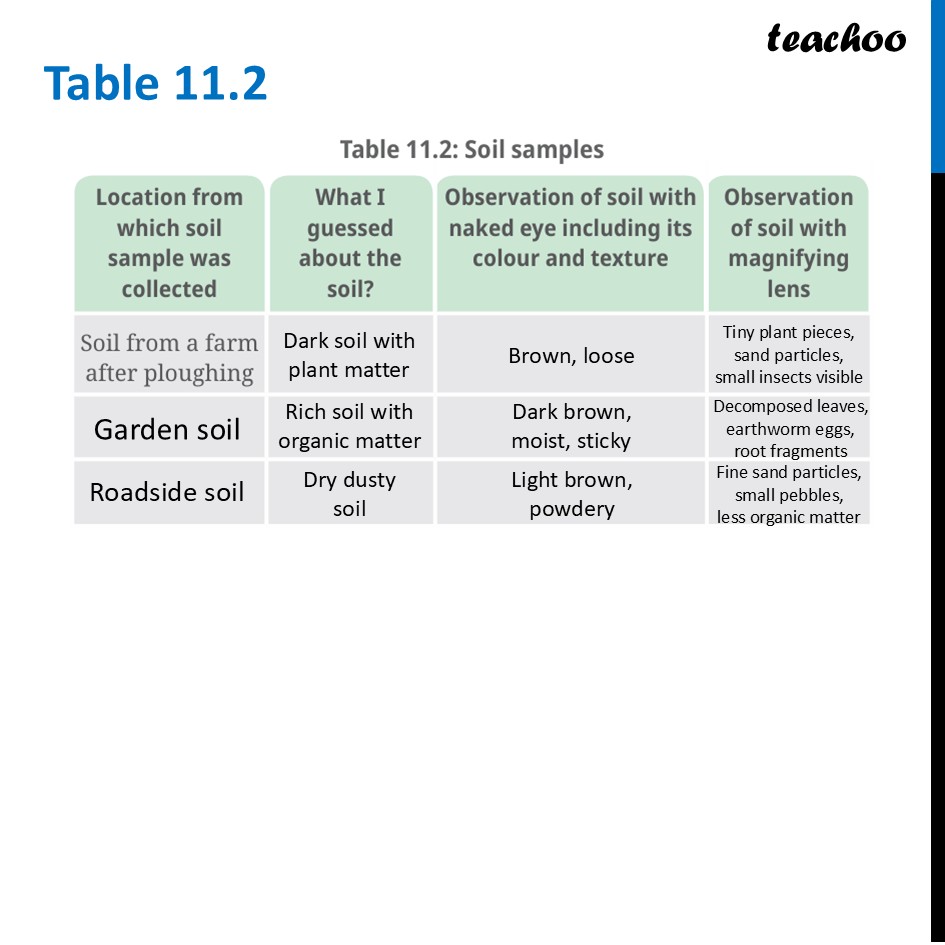
What are Forests? Forests are large areas with dense growth where various types of plants grow together. They are a Natural habitat for many organisms (both plants and animals) They provide us many products Different Forest Products Example 1 Wood Products We get Wood from forest trees which is used for:- Making furniture Building houses Fuel wood for cooking Different Forest Products Example 2 Other Forest Products We get many other products from forest:- Medicinal herbs for treating diseases Honey from beehives in trees Bamboo for making baskets and tools Different Forest Products Example 3 Food from Forest We get fruits like nellikai (Kannada term for Indian gooseberries) from forest These fruits also feed various animals and birds In Between Questions Discuss with your friends and make a list of at least fives products that we get from forests. Five products from forests: 1. Wood: For making furniture, building houses and Fuel wood for cooking. 2. Bamboo: For making baskets and tools 3. Medicinal plants and herbs: For treating diseases 4. Fruits: For feeding various animals and birds 5. Honey: For medicinal and kitchen use Forest ConservationForest (Trees) protecting, managing and restoring It means protecting, managing and restoring forests so that they are available for future generations In Between Questions What are the consequences of cutting a large forest area? Make a presentation or do a role play, or write a story or a poem that shows what could happen if we continue to cut down trees in our forests.The consequences of cutting a large forest area are:- 1. Loss of biodiversity: Animals and birds lose their homes and many species may become extinct and once they extinct, species lost forever 2. Soil problems: Soil erosion increases (roots no longer hold soil) by which land becomes infertile due to which there is Increased risk of landslides 3. Climate Effects: Less rainfall in the region leads to temperature increases due to which air pollution increases as there will be fewer trees to clean air 4. Effects on local communities: Difficulty for tribal communities who depend on forests for medicinal plants and forest products Story: "Once a village had beautiful forests. People cut all trees for quick money. Soon rain stopped coming, land became dry, animals disappeared. The village faced water shortage and heat. People realized their mistake but forest takes many years to grow back. They learned forests are precious and should be protected." Why to conserve Forest? Effects of Forest cutting:- Why to conserve forest? Loss of biodiversity Soil Problems Climate Effects Effects on local communities To protect biodiversity (To ensure animals and birds doesn’t lose their homes) To prevent Soil Problems (Roots can hold soil and land becomes fertile) To prevent Climate Change (More trees lead to less air pollution, decrease in temperature and more rainfall in the region) To support local communities (Tribal communities depend on medicinal plants and forest products) Real - Life Examples of Forest Conservation Example 1 Van Mohotsav Van Mahotsav is a week long forest festival celebrated across the country during the month of July during which new plants and trees are planted, and awareness about respecting forests is raised. The aim of the event is to increase the green cover. Real - Life Examples of Forest Conservation Example 2 Chipko Movement Chipko Movement started in early 1970s in Uttarakhand in which Locaal women actively participated in this movement where they encircled and hugged the trees to protect them from being felled. Real - Life Examples of Forest Conservation Example 3 Sacred Groves Sacred Groves are protected by the local community and no one is allowed to harm any animals and cut trees in these groves, or disturb the area. Real - Life Examples of Forest Conservation Example 4 Village Tradition Village Tradition is not plucking fruits from trees and leaving them for animals and birds What is Forest’s Role in Soil Conservation? If there will be no plants, then there will be no roots to hold on to the soil and prevent it from being washed away. So, there will be Soil Erosion. If there will be plants, then the roots of plants hold on to the soil and prevent it from being washed away. Also, the leaves that fall from the trees decay and enrich the soil with nutrients. This soil is used by new plants and trees to grow. Other benefits of Forests Provide Nutrients in Soil In forests, fallen leaves decay and add nutrients back to soil This natural recycling enriches soil When trees cut, this nutrient recycling stops Soil becomes less fertile over time Prevents Water loss in Soil Trees provide shade keeping soil moist and help water seep into ground Without tree cover, direct sunlight dries soil quickly and soil becomes dry and hard Activity 11.4Collect samples of soils from different areas around your home and school. Guess what could be there in different soils. Observe carefully each soil sample and note its colour. Touch each soil sample and feel its texture. Observe the soil samples with your naked eye. If you have a magnifying lens, look at the soil through it. Record your observations in Table 11.2. Table 11.2Table 11.2: Soil samples Location from which soil sample was collected What I guessed about the soil? Observation of soil with naked eye including its colour and texture Observation of soil with magnifying lens Soil from a farm after ploughing Dark soil with plant matter Brown, loose Tiny plant pieces, sand particles, small insects visible Garden soil Rich soil with organic matter Dark brown, moist, sticky Decomposed leaves, earthworm eggs, root fragments Roadside soil Dry dusty soil Light brown, powdery Fine sand particles, small pebbles, less organic matter
