 You are here

![[Nature's Treasures] What is Air? - Real - Life Examples - Teachoo - Concepts](https://cdn.teachoo.com/003d8f2a-1f9a-45c5-93a1-76bf86889534/slide2.jpg)
Last updated at March 31, 2026 by Teachoo
Transcript
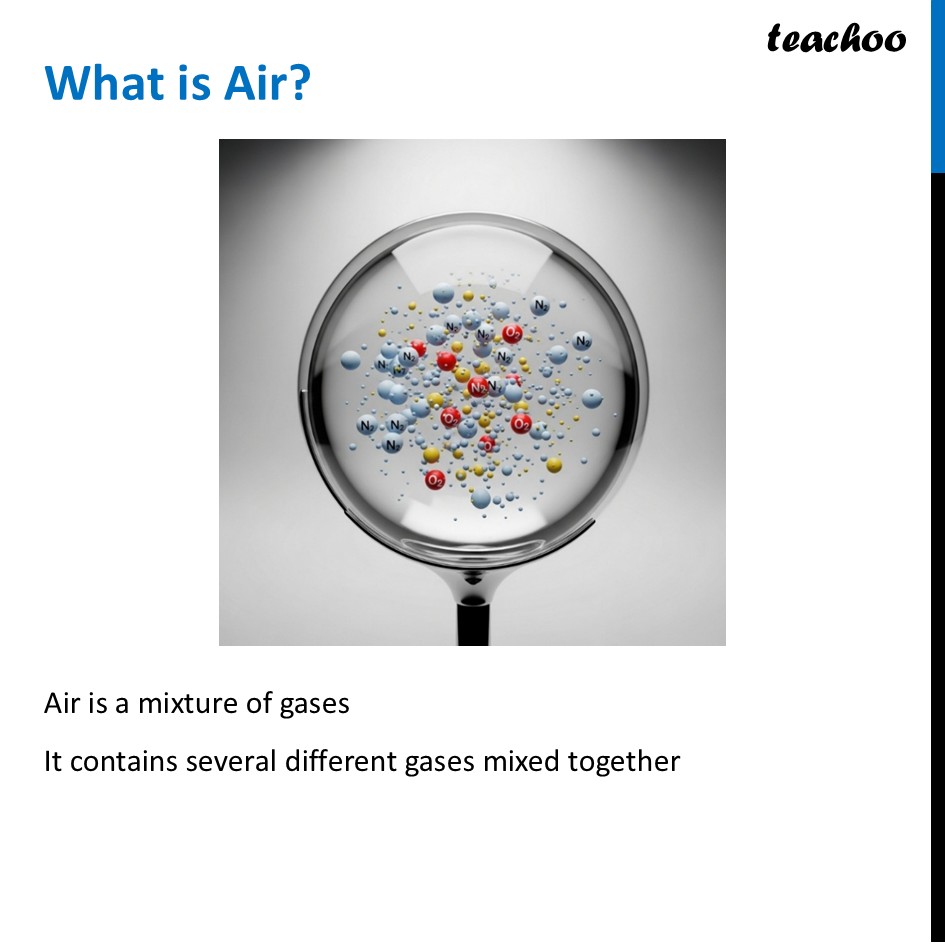
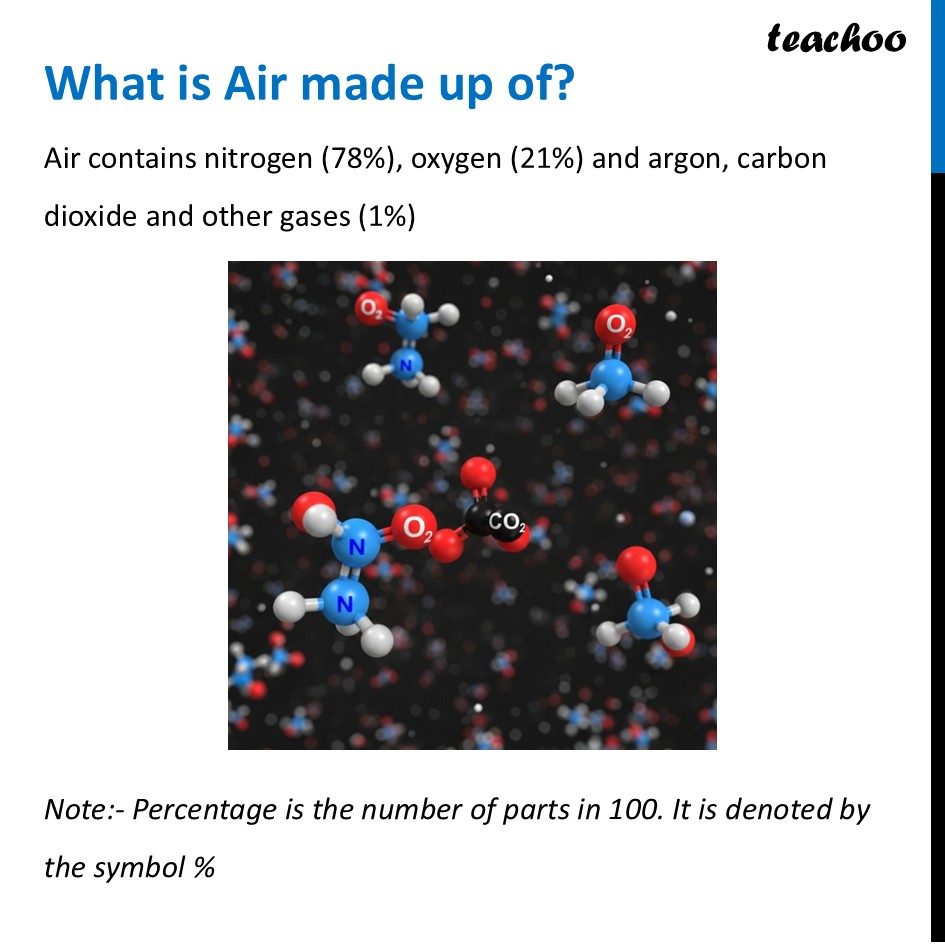
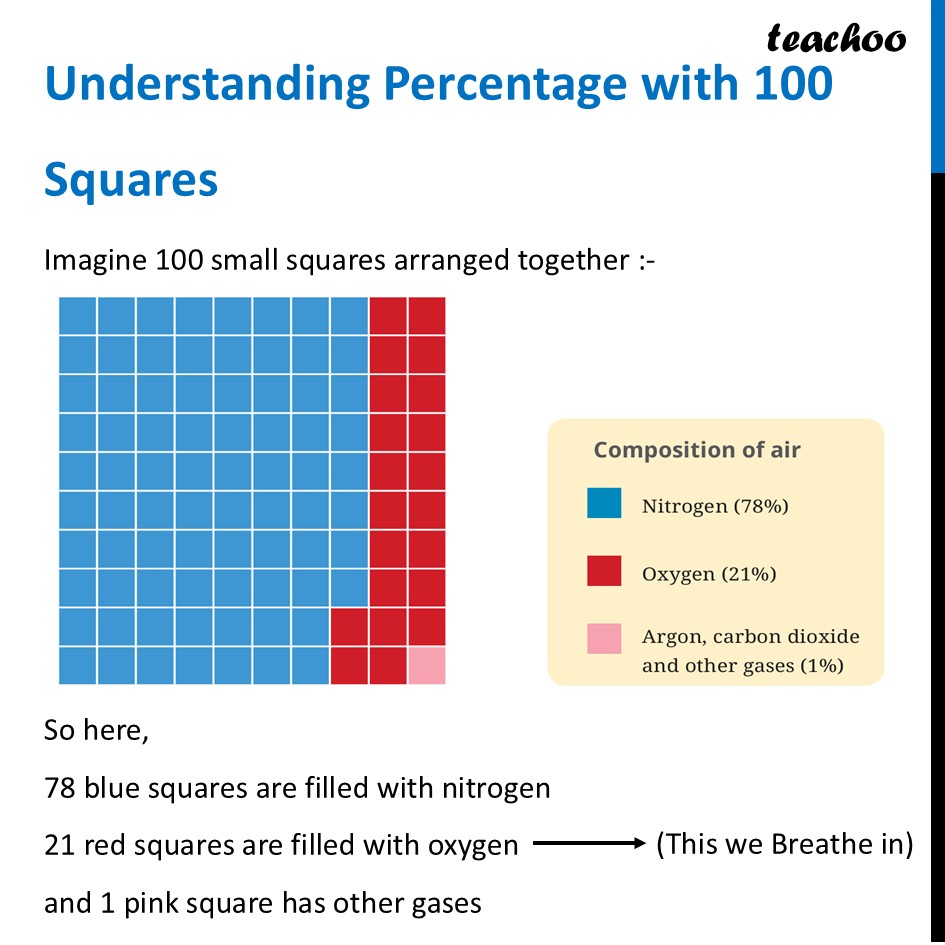
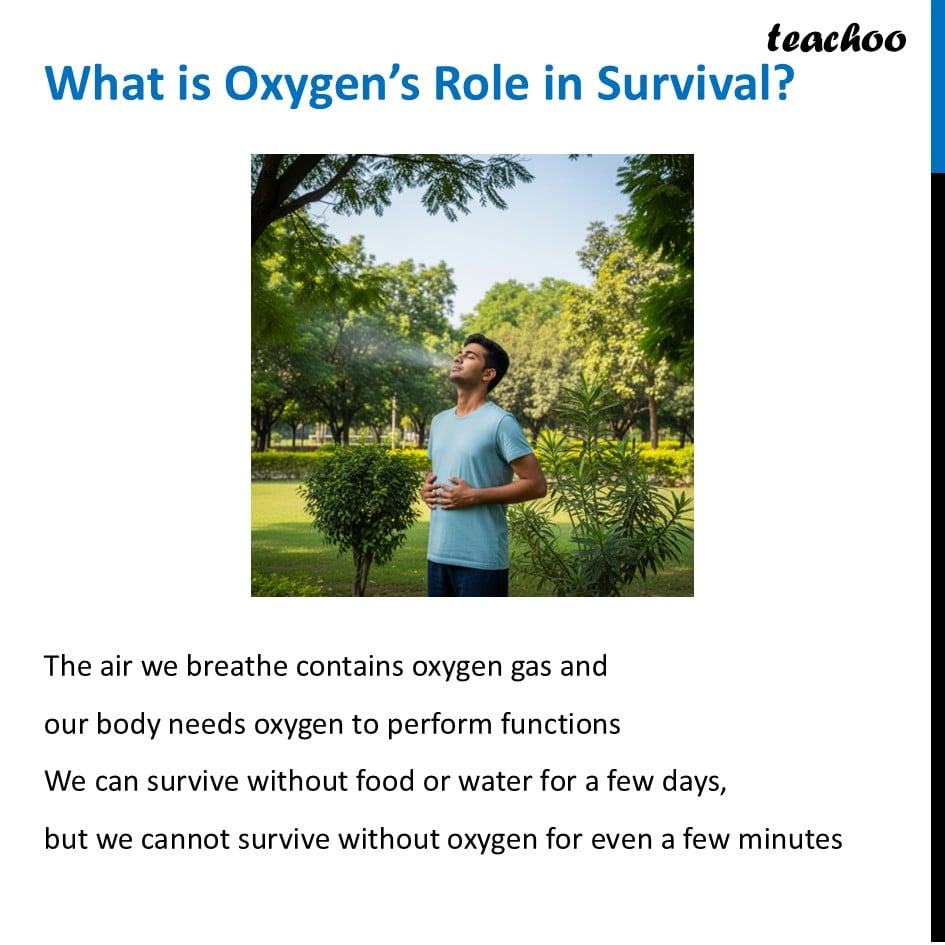
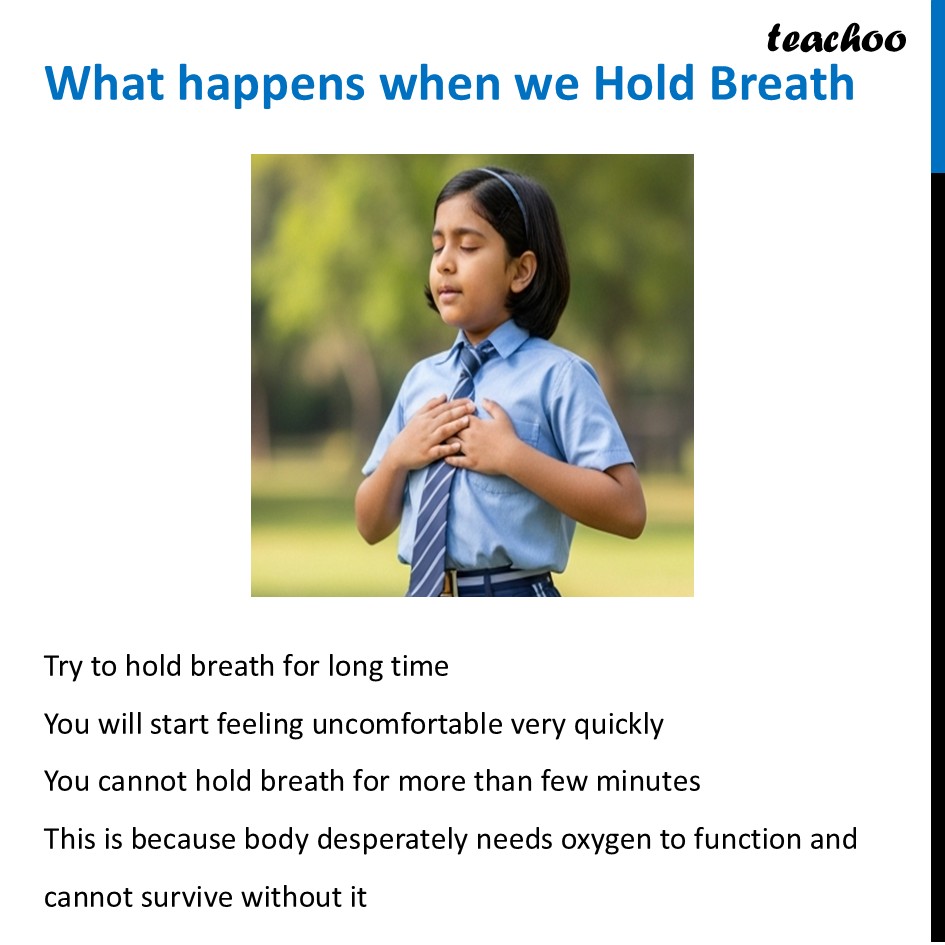
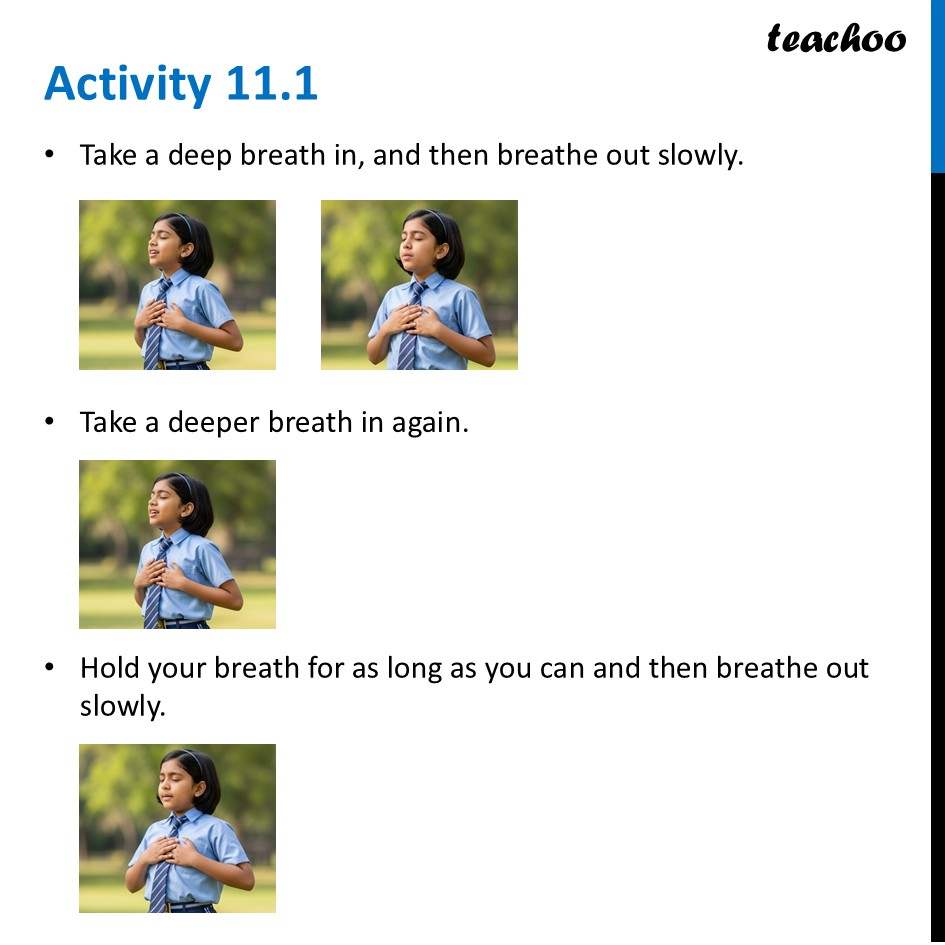
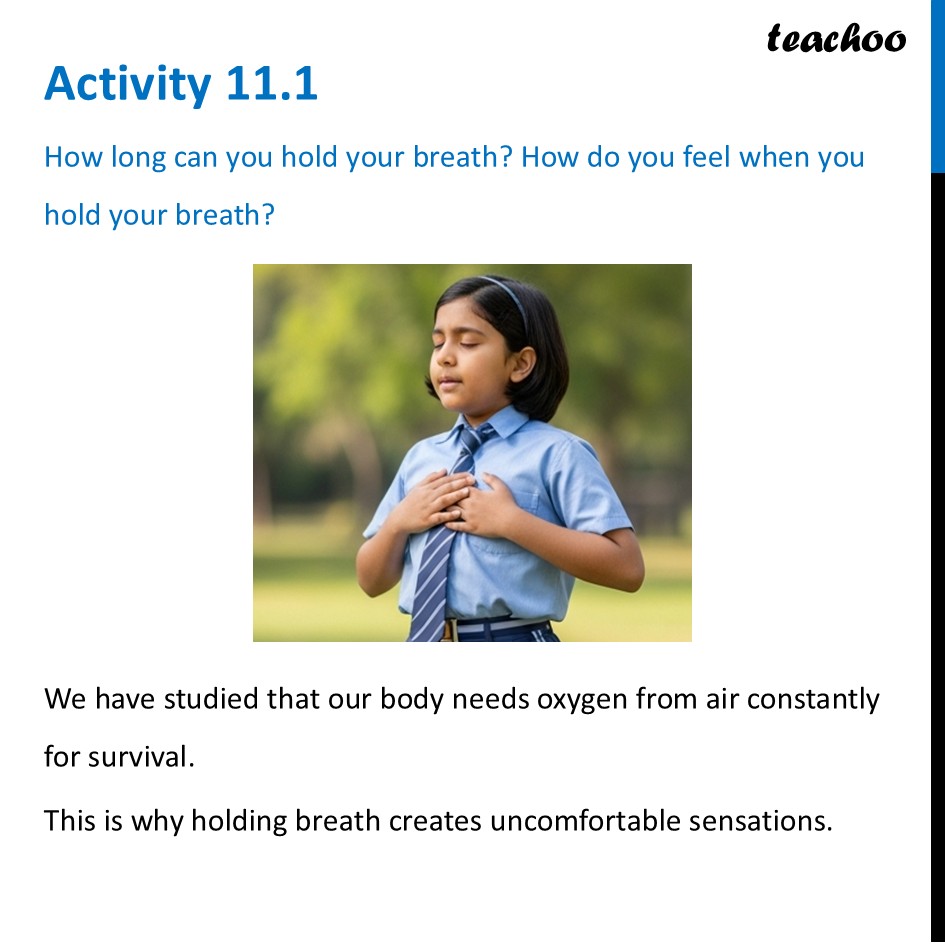
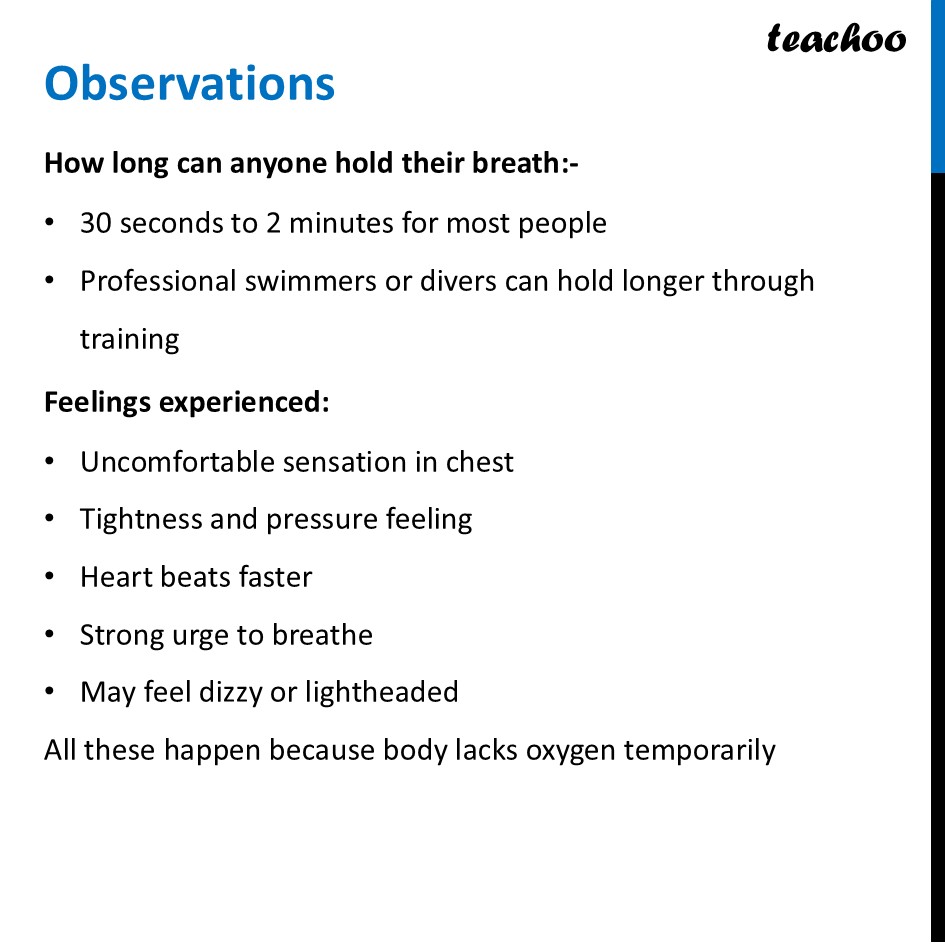
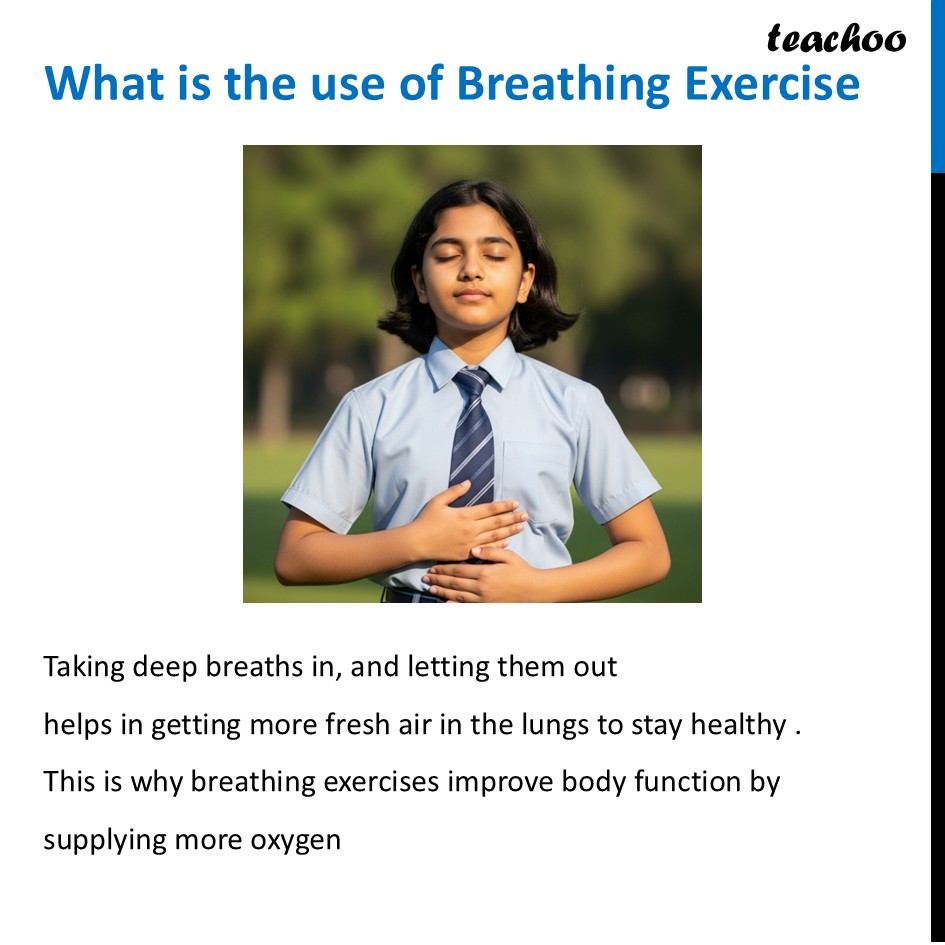
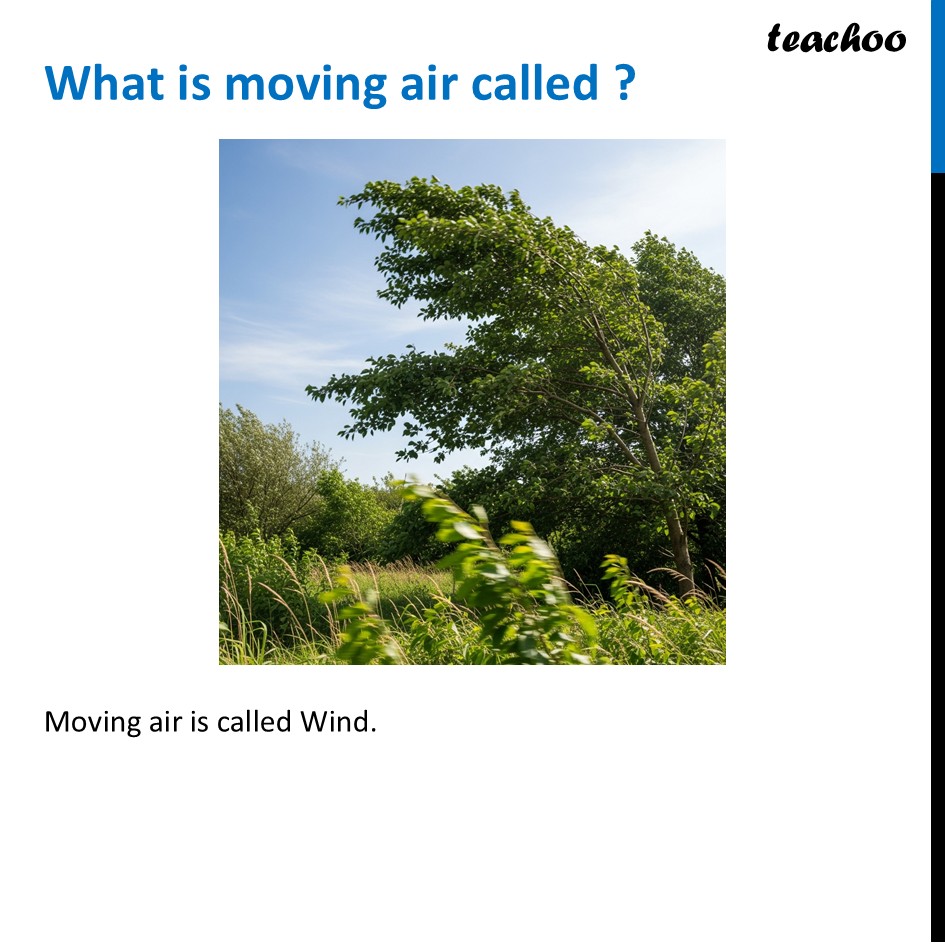
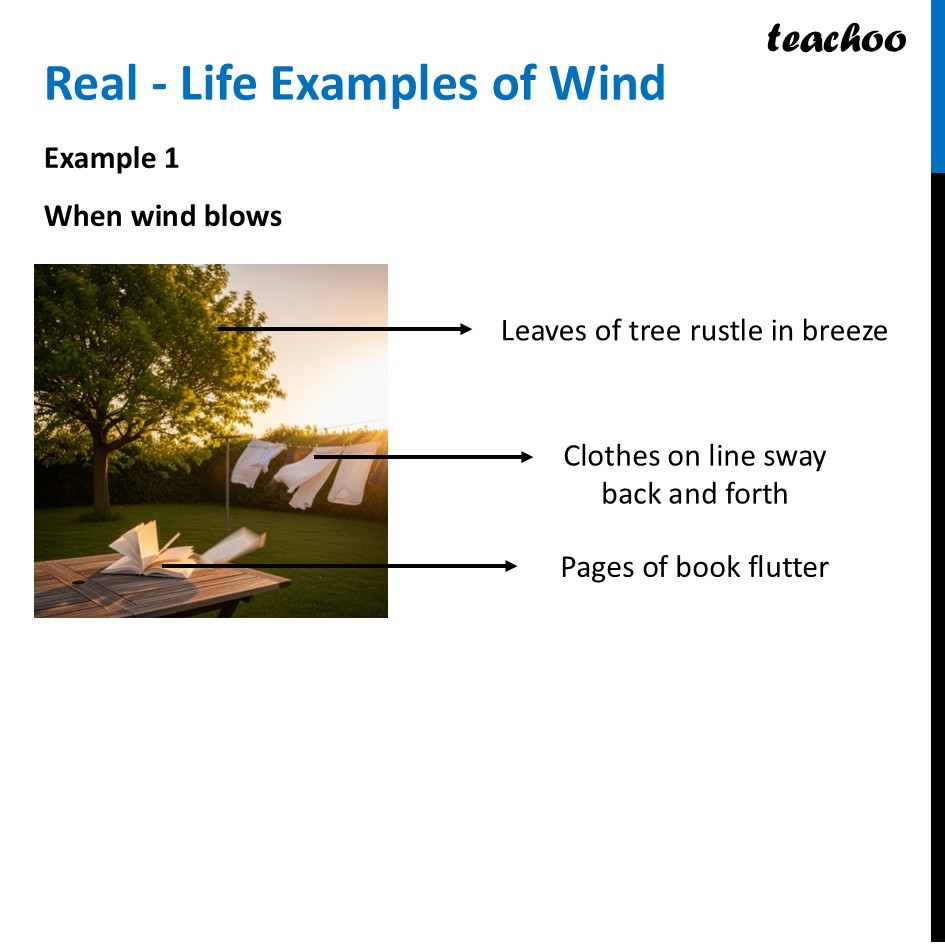
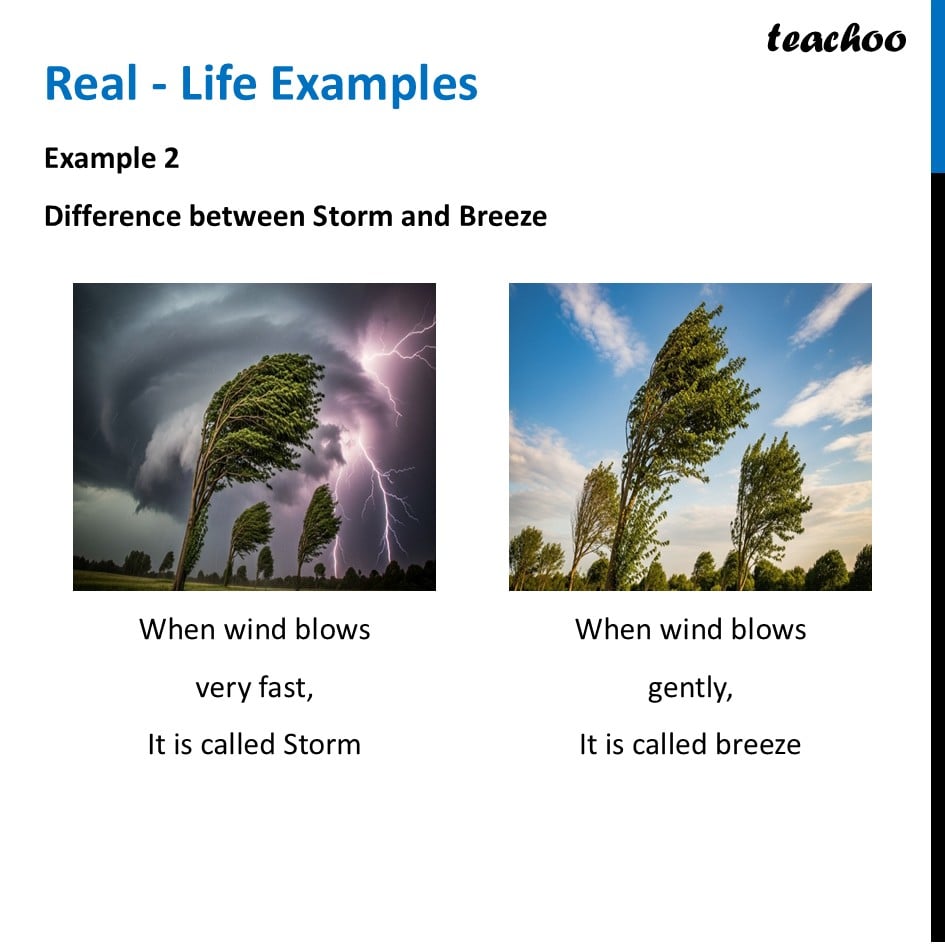
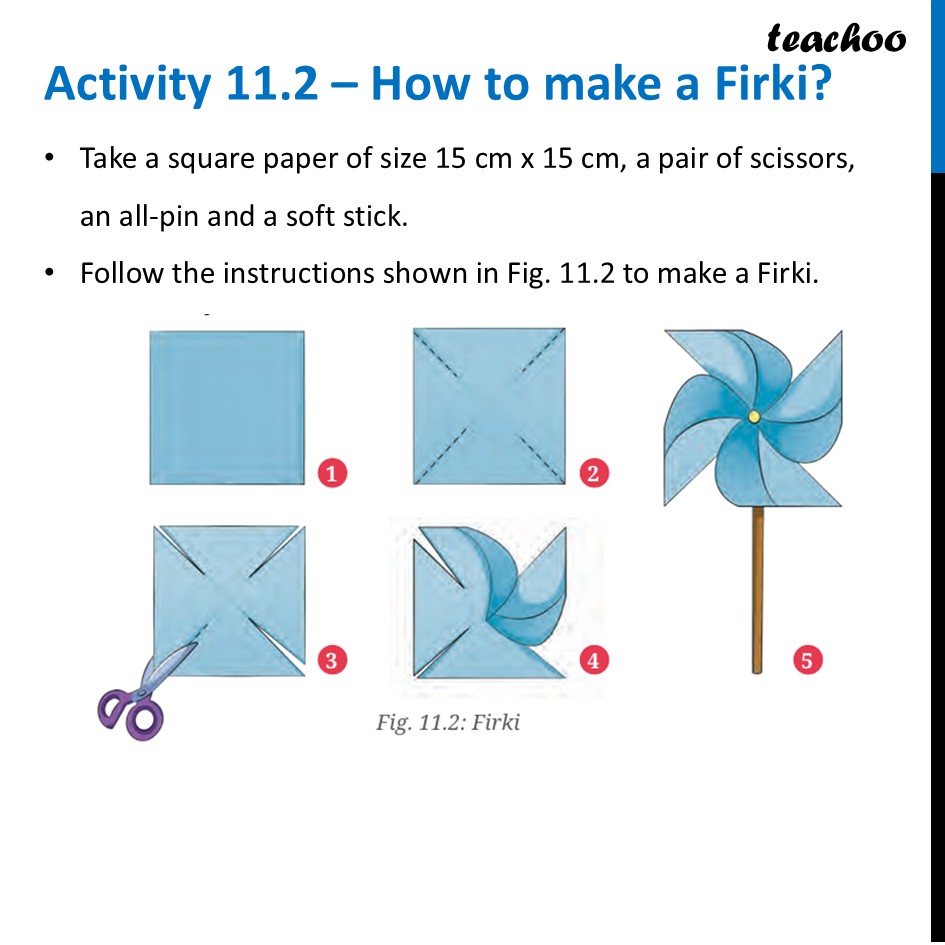
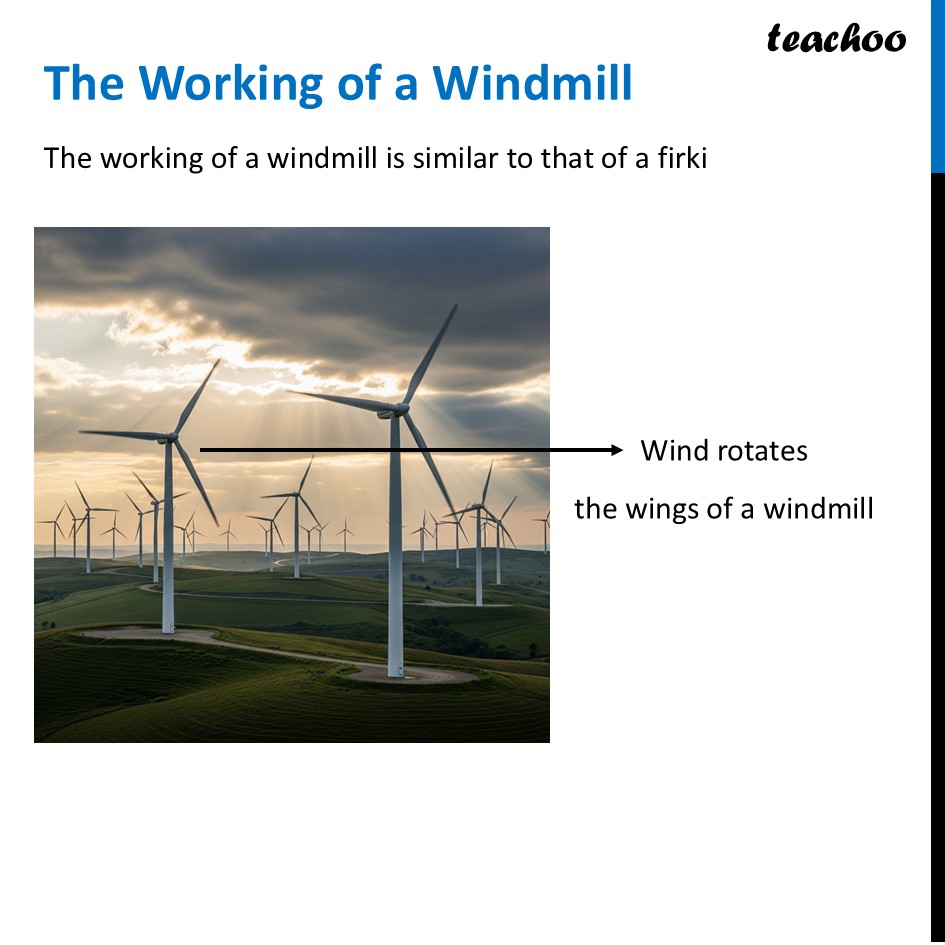
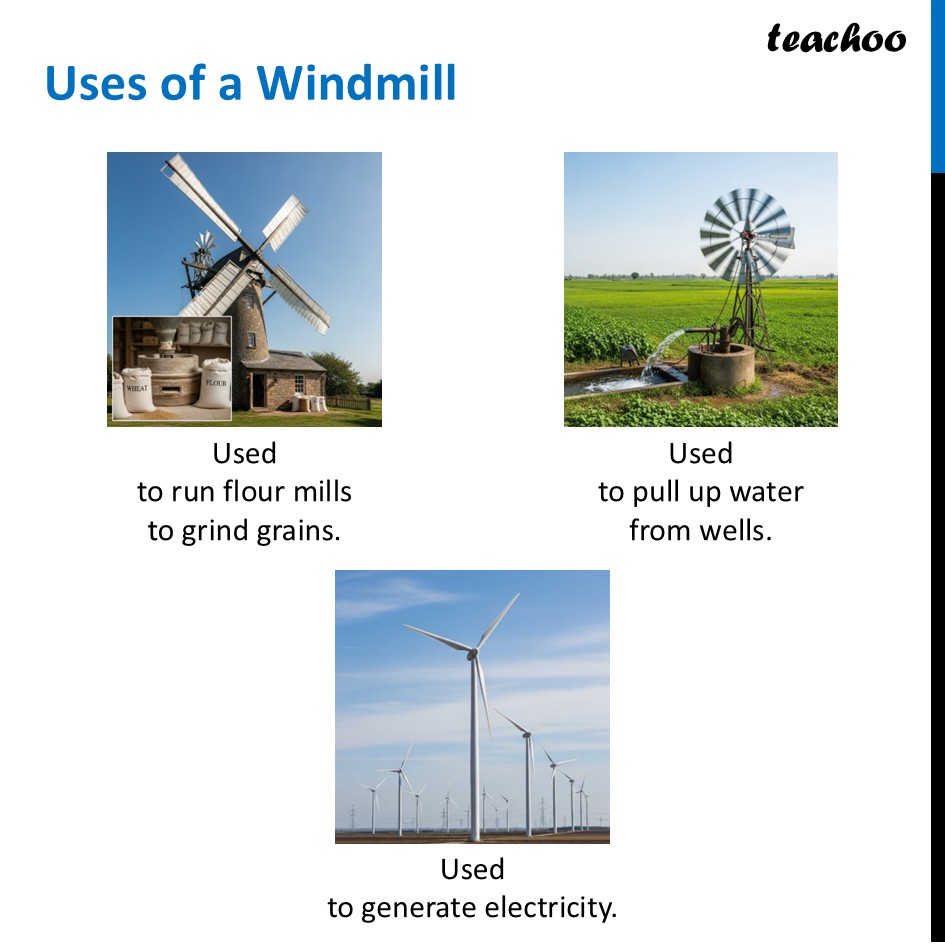
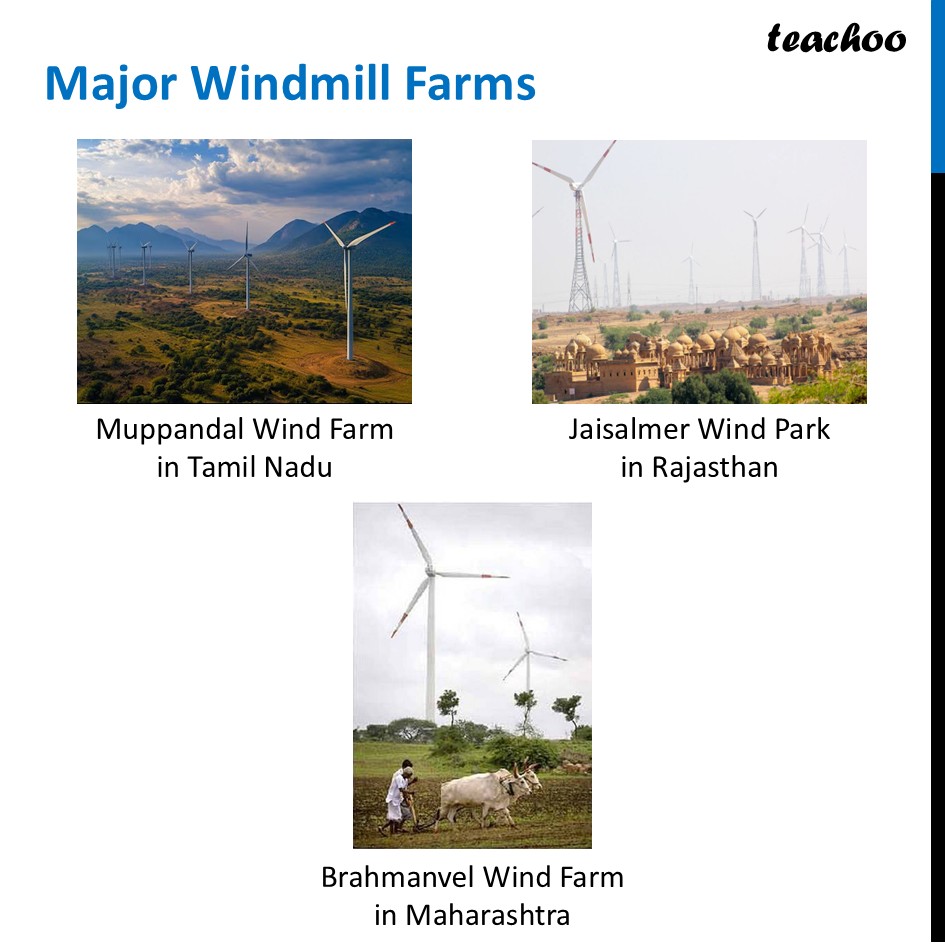
Chapter 11 Nature’s TreasuresProvided by Nature Highly valuable items or resources In this Chapter, We will study about different natural resources like :- Air Water Energy from the Sun Forest Soil, Rocks and Minerals Fossil Fuels What is Air?Air is a mixture of gases It contains several different gases mixed together What is Air made up of? Air contains nitrogen (78%), oxygen (21%) and argon, carbon dioxide and other gases (1%) Note:- Percentage is the number of parts in 100. It is denoted by the symbol % Understanding Percentage with 100 Squares Imagine 100 small squares arranged together :- So here, 78 blue squares are filled with nitrogen 21 red squares are filled with oxygen and 1 pink square has other gases (This we Breathe in) What is Oxygen’s Role in Survival?The air we breathe contains oxygen gas and our body needs oxygen to perform functions We can survive without food or water for a few days, but we cannot survive without oxygen for even a few minutes What happens when we Hold Breath Try to hold breath for long time You will start feeling uncomfortable very quickly You cannot hold breath for more than few minutes This is because body desperately needs oxygen to function and cannot survive without it Activity 11.1 Take a deep breath in, and then breathe out slowly. Take a deeper breath in again. Hold your breath for as long as you can and then breathe out slowly. Activity 11.1 How long can you hold your breath? How do you feel when you hold your breath?We have studied that our body needs oxygen from air constantly for survival. This is why holding breath creates uncomfortable sensations. Observations How long can anyone hold their breath:- 30 seconds to 2 minutes for most people Professional swimmers or divers can hold longer through training Feelings experienced: Uncomfortable sensation in chest Tightness and pressure feeling Heart beats faster Strong urge to breathe May feel dizzy or lightheaded All these happen because body lacks oxygen temporarily In-Between Question Can you name some gases which are present in the air?We have studied that air is a mixture of several gases. This is why we can identify different gases in air. Main gases in air: Nitrogen - largest portion (78%) Oxygen - needed for breathing (21%) Argon and Carbon Dioxide – very small amount (1%) What is the use of Breathing ExerciseTaking deep breaths in, and letting them out helps in getting more fresh air in the lungs to stay healthy . This is why breathing exercises improve body function by supplying more oxygen What is moving air called ?Moving air is called Wind. Real - Life Examples of Wind Example 1 When wind blows Leaves of tree rustle in breeze Clothes on line sway back and forth Pages of book flutter Real - Life Examples Example 2 Difference between Storm and Breeze When wind blows very fast, It is called Storm When wind blows gently, It is called breeze Activity 11.2 – How to make a Firki? Take a square paper of size 15 cm x 15 cm, a pair of scissors, an all-pin and a soft stick. Follow the instructions shown in Fig. 11.2 to make a Firki. What do you observe? Does the firki rotate? What makes a firki rotate? Observations: Firki rotates when you move it a little back and forth. It is due to presence of wind Explanation: When blowing, we create wind stream which makes Firki rotate Air hits angled blades and pushes them causing rotation Same principle makes windmills work The Working of a WindmillThe working of a windmill is similar to that of a firki Wind rotates the wings of a windmill Uses of a Windmill Used to run flour mills to grind grains. Used to pull up water from wells. Used to generate electricity. Major Windmill FarmsMuppandal Wind Farm in Tamil Nadu Jaisalmer Wind Park in Rajasthan Brahmanvel Wind Farm in Maharashtra
