
 You are here
Last updated at March 31, 2026 by Teachoo
Transcript
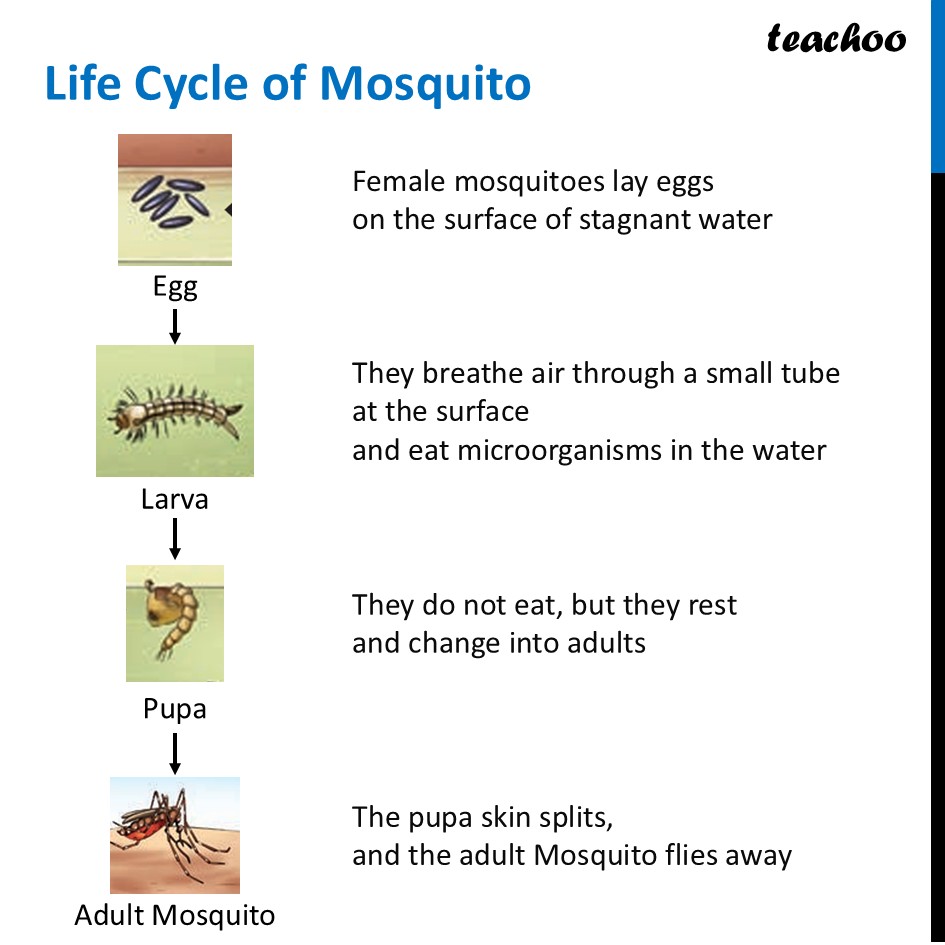
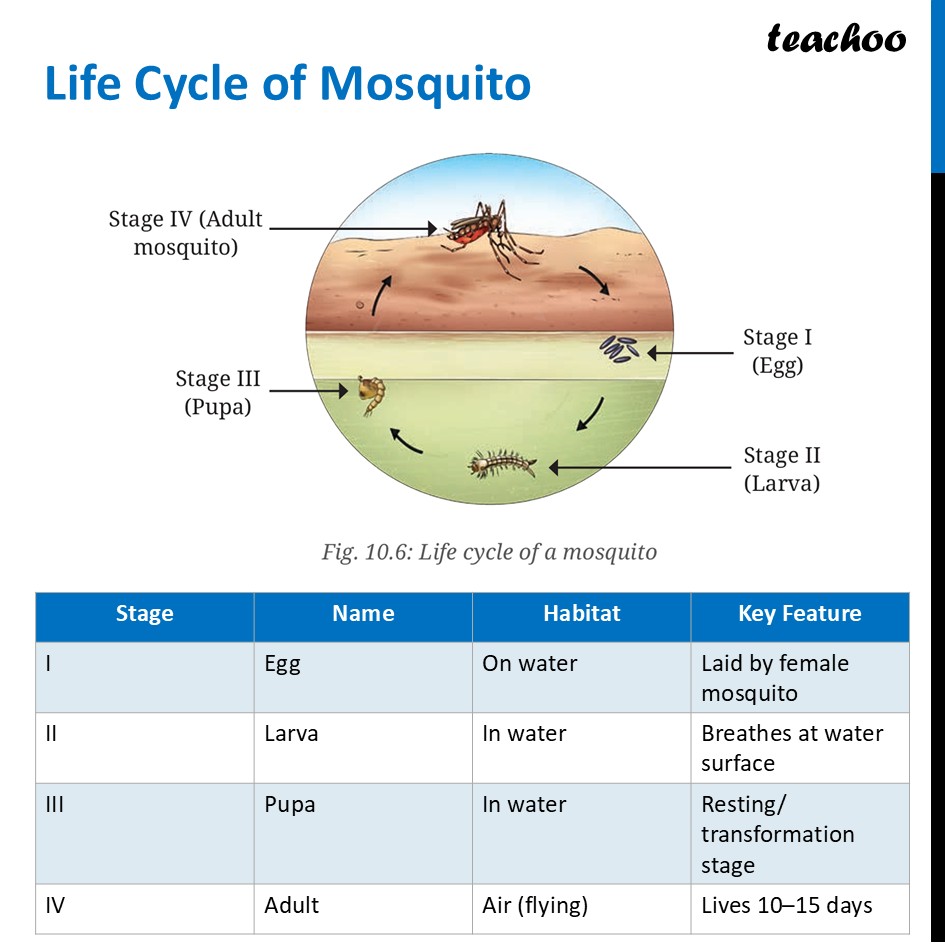
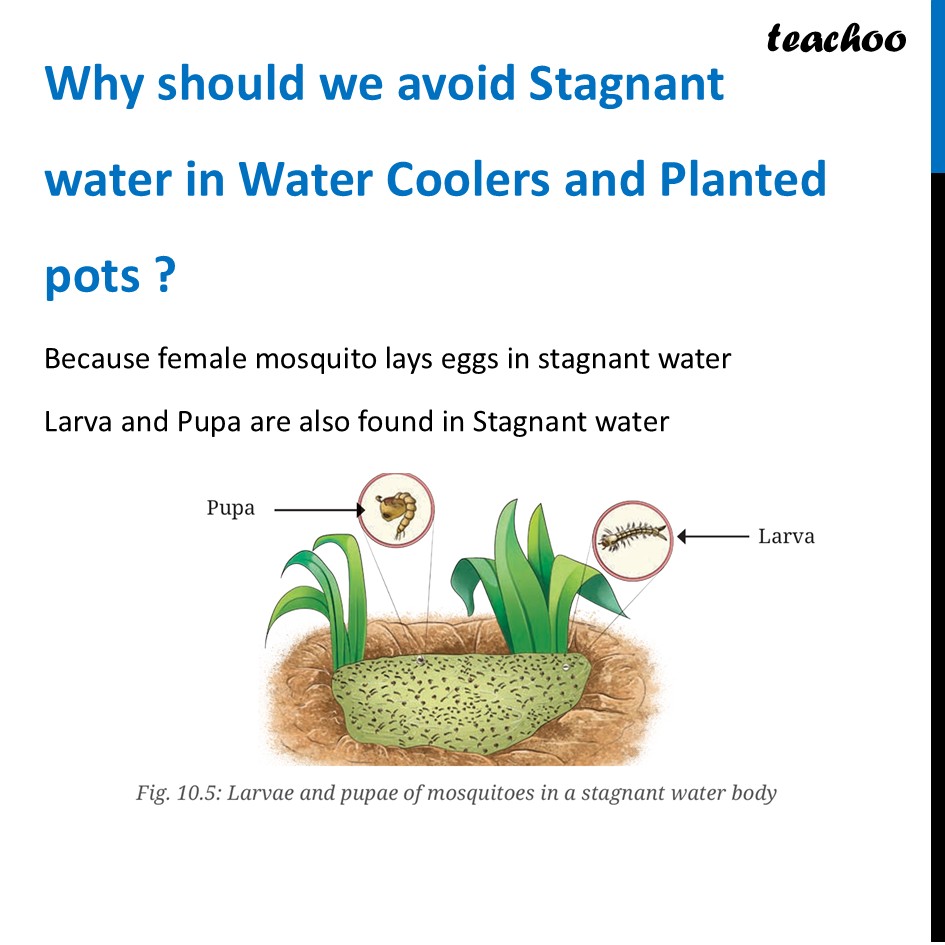
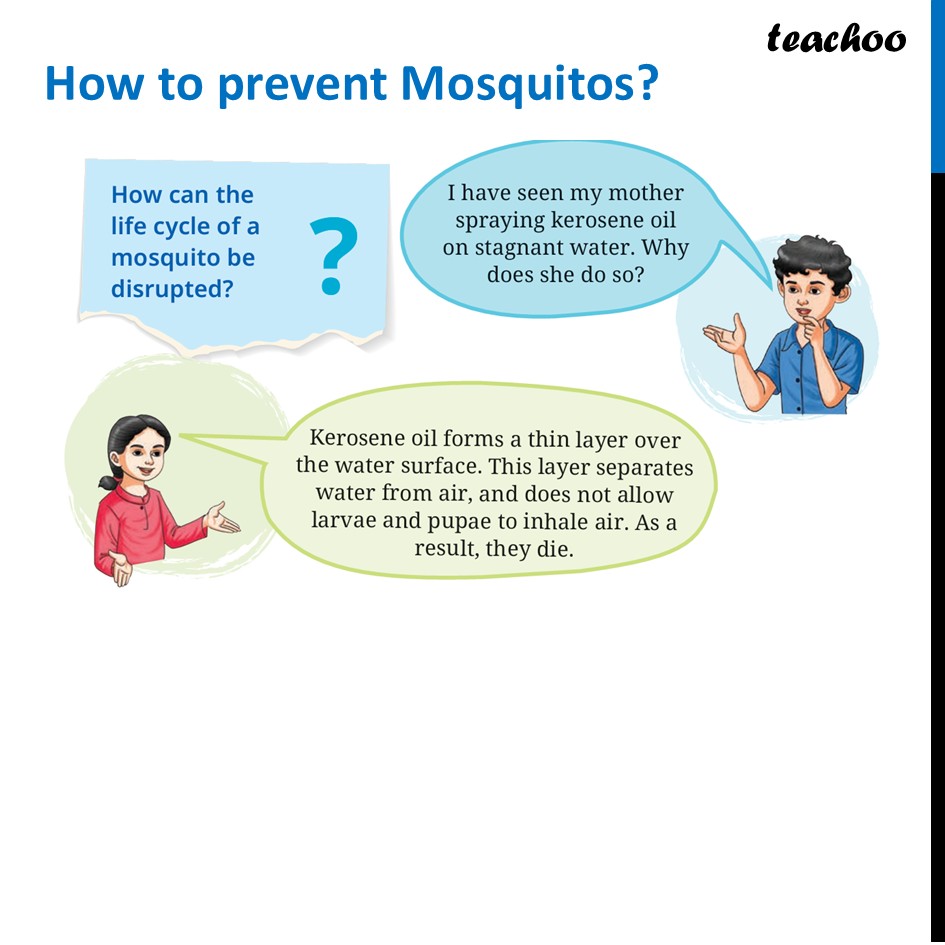
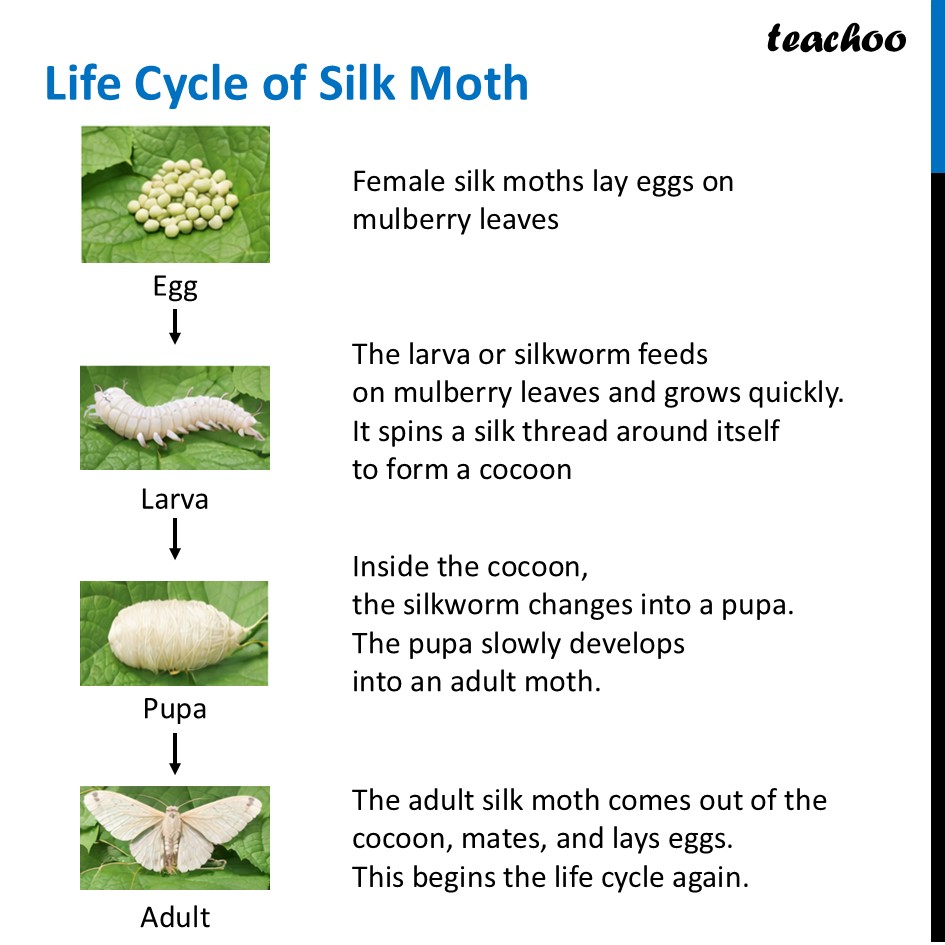
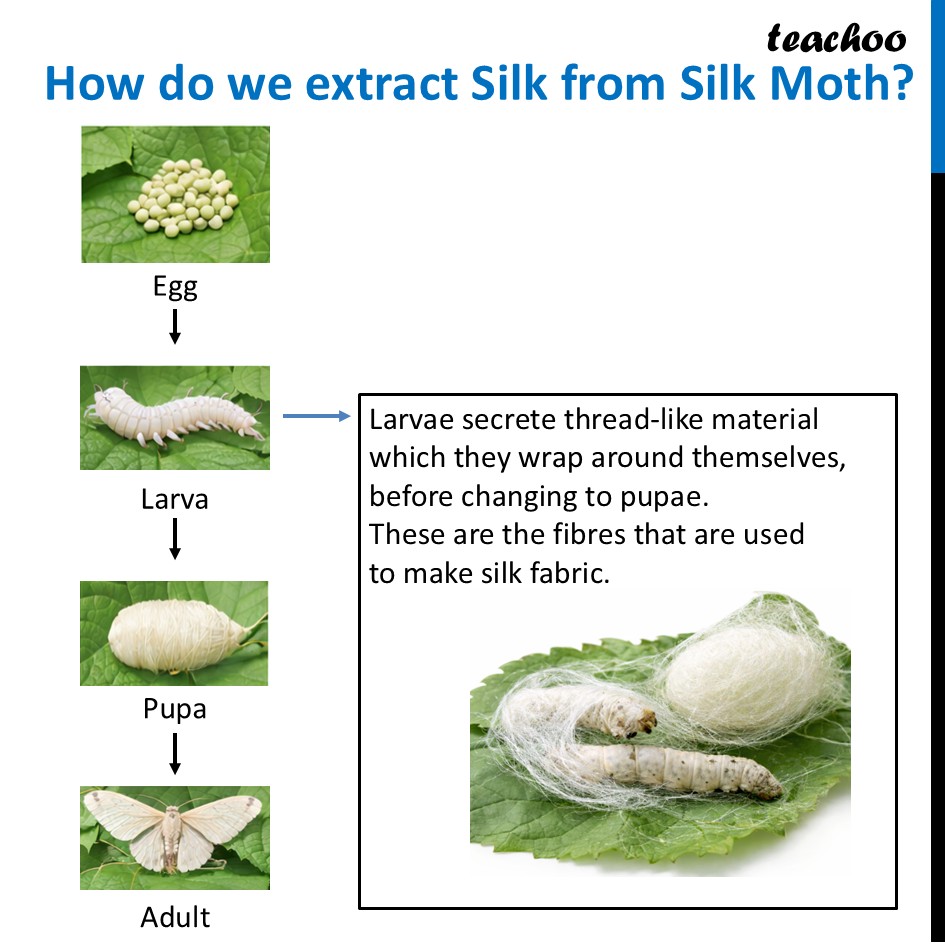
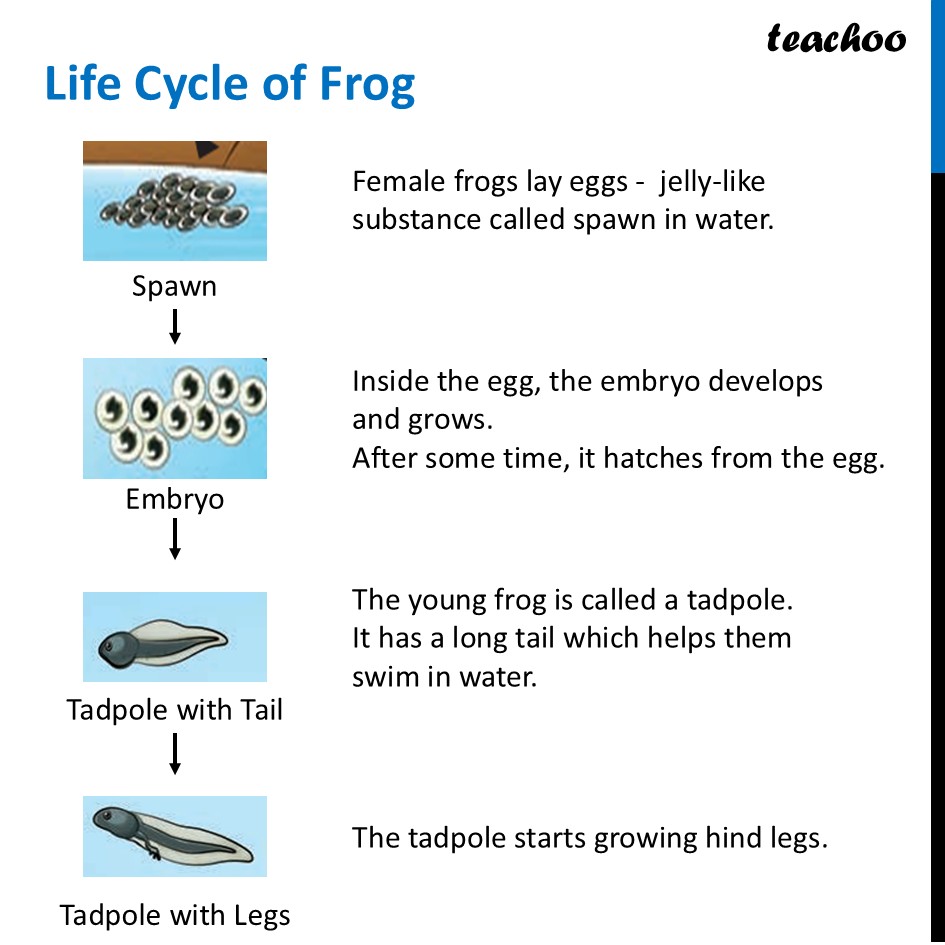
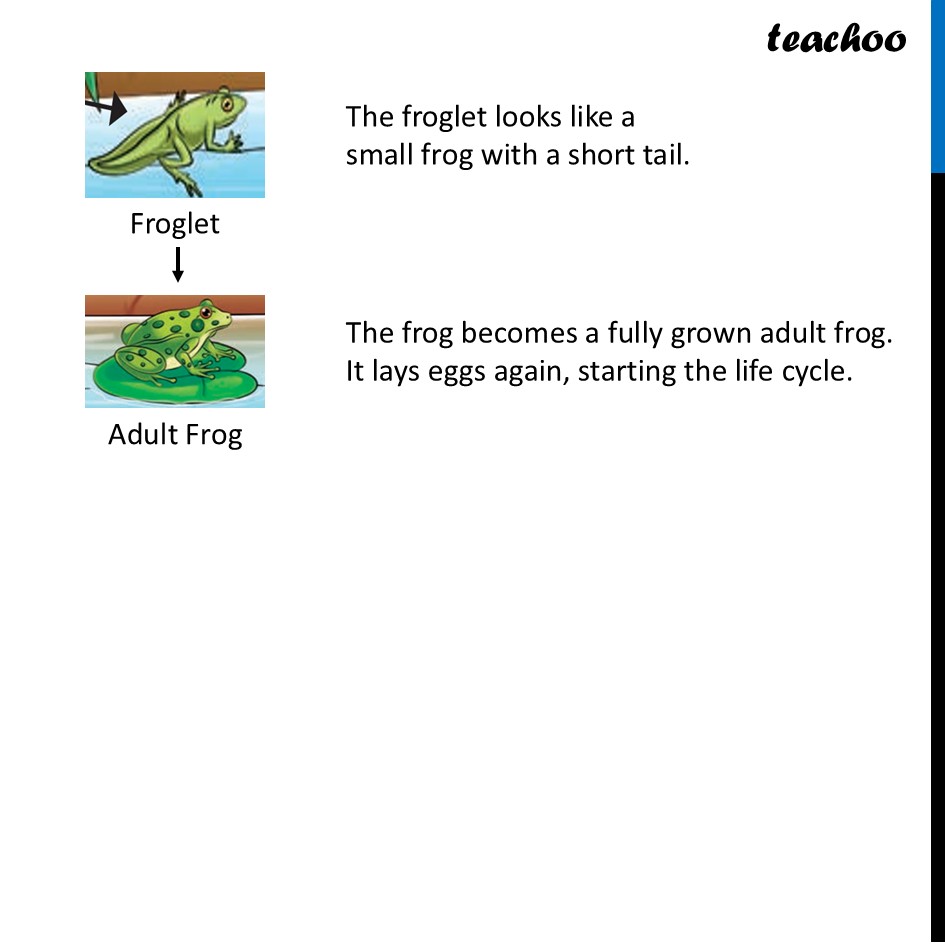
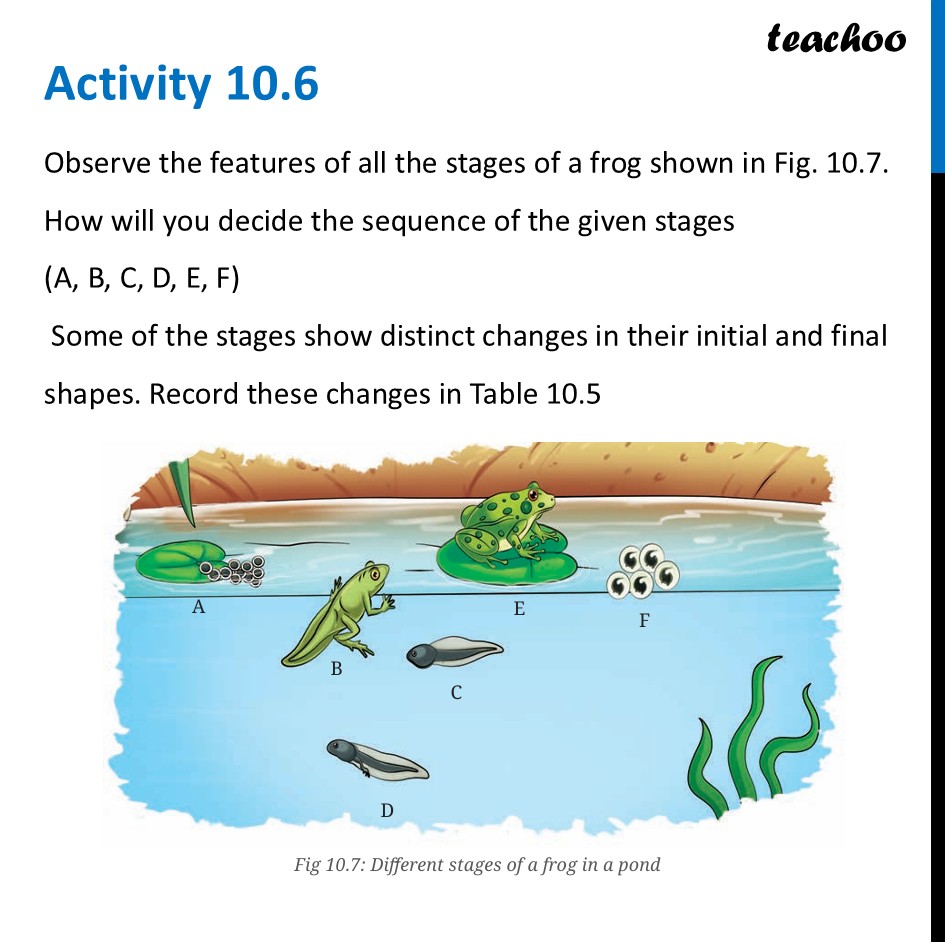
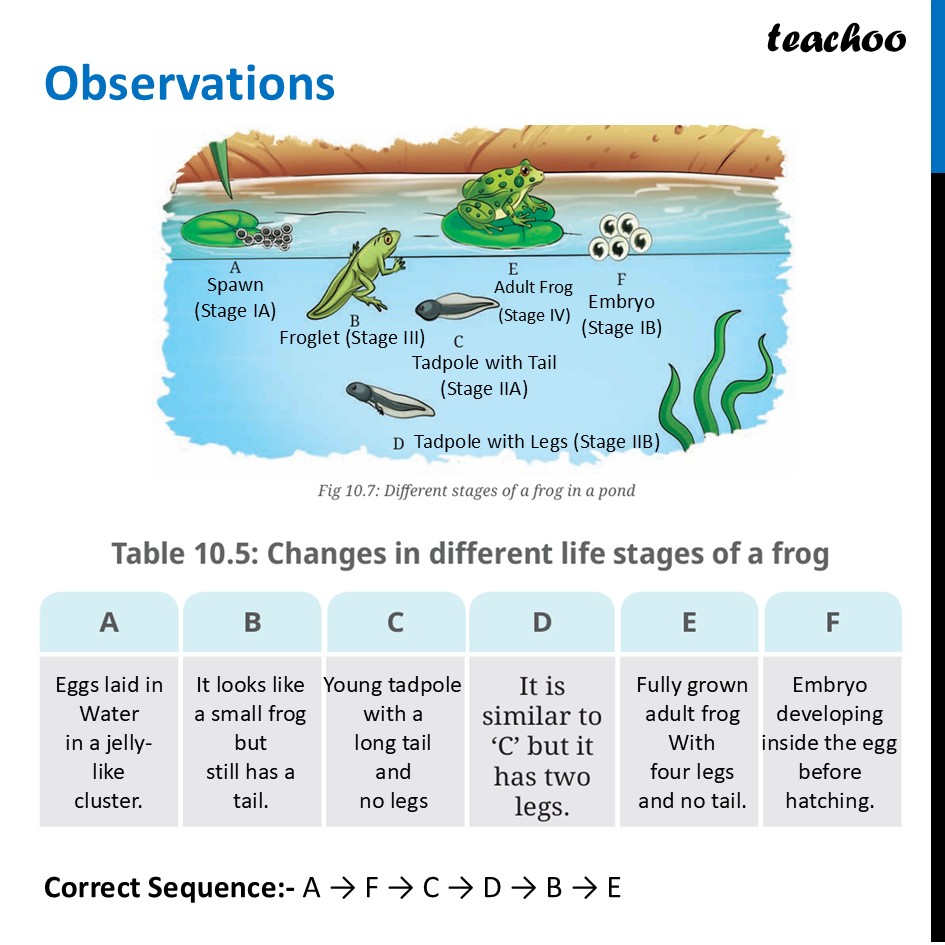
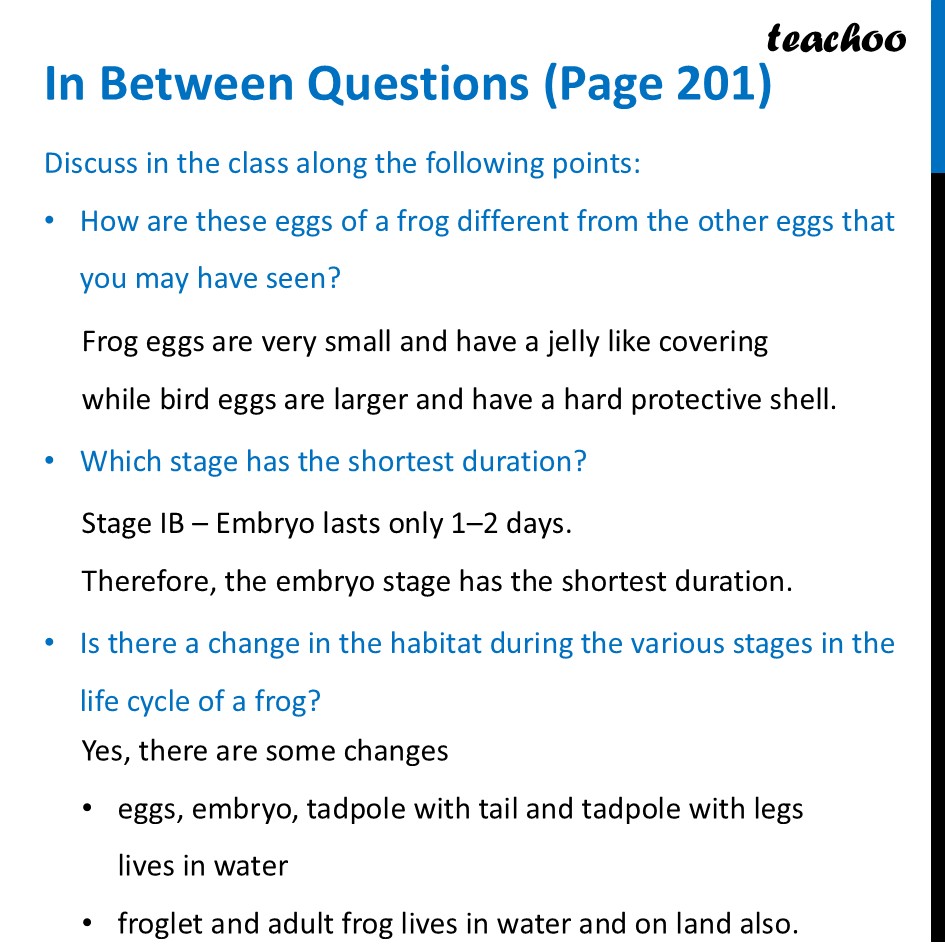
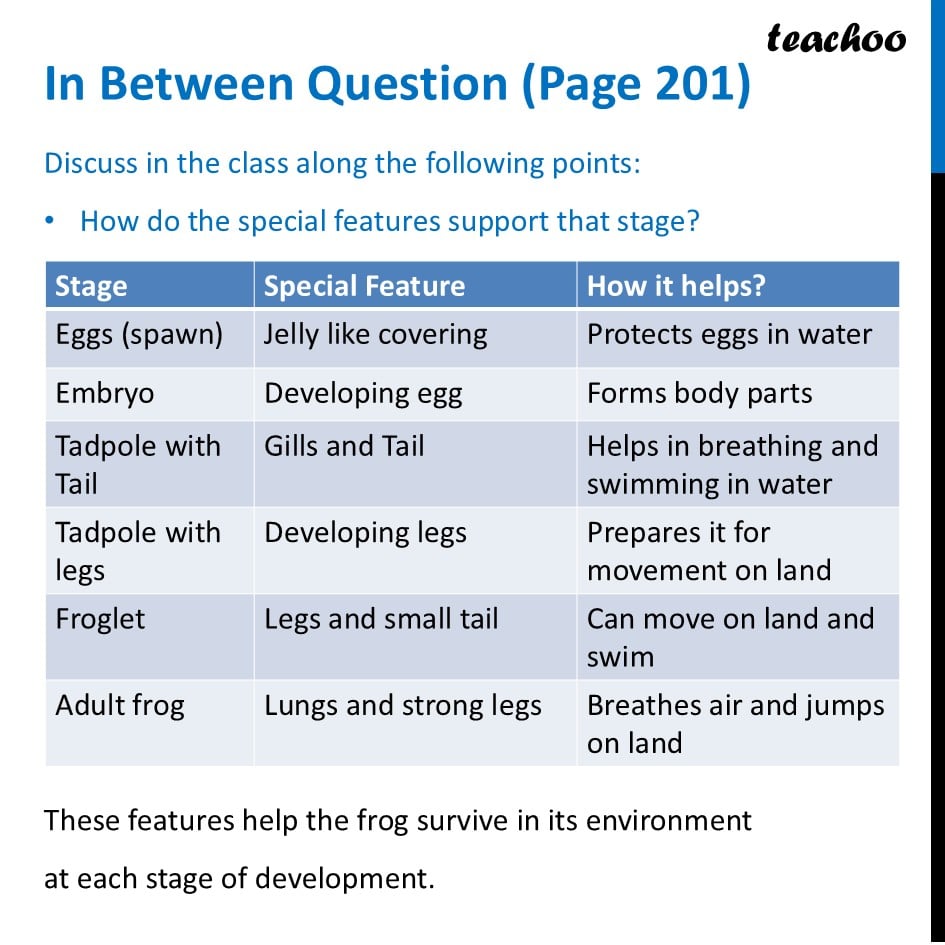
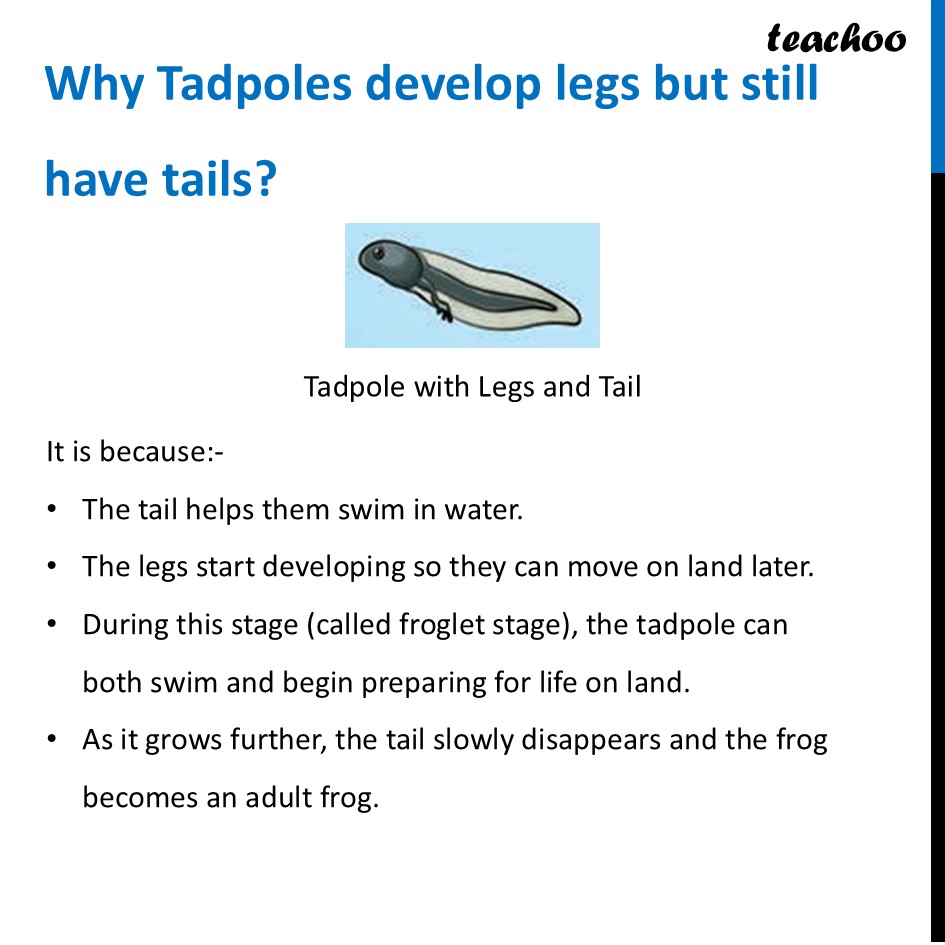
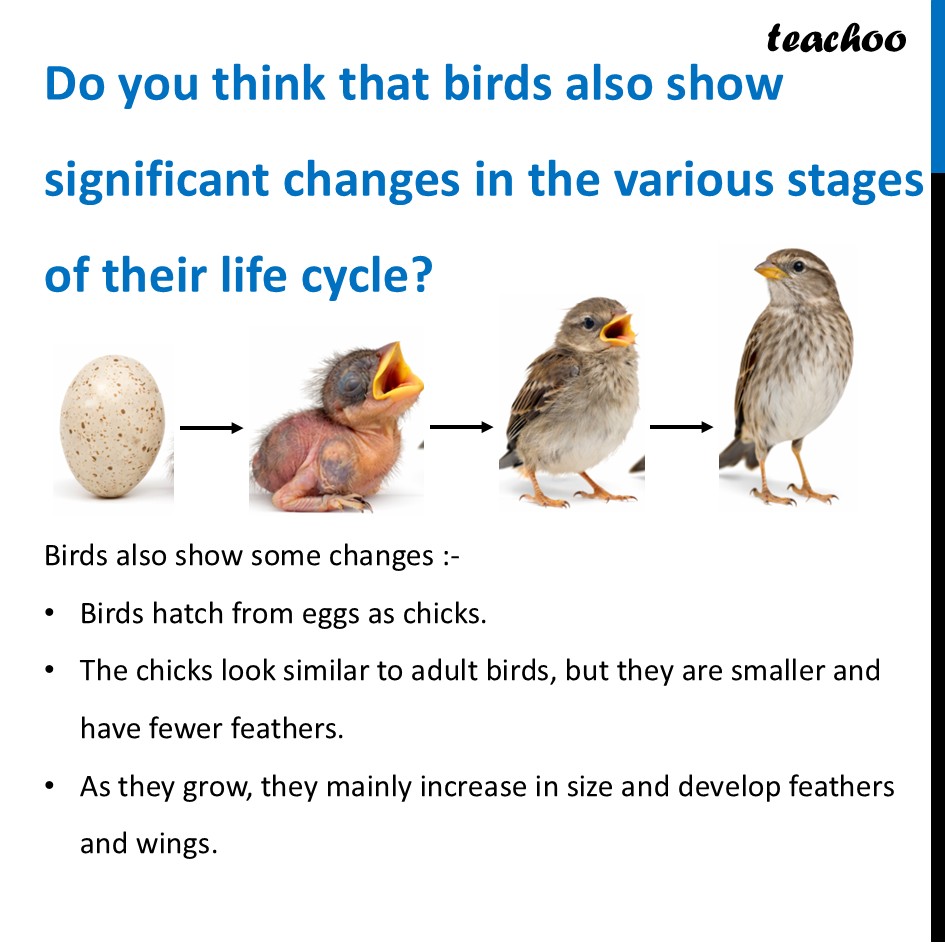
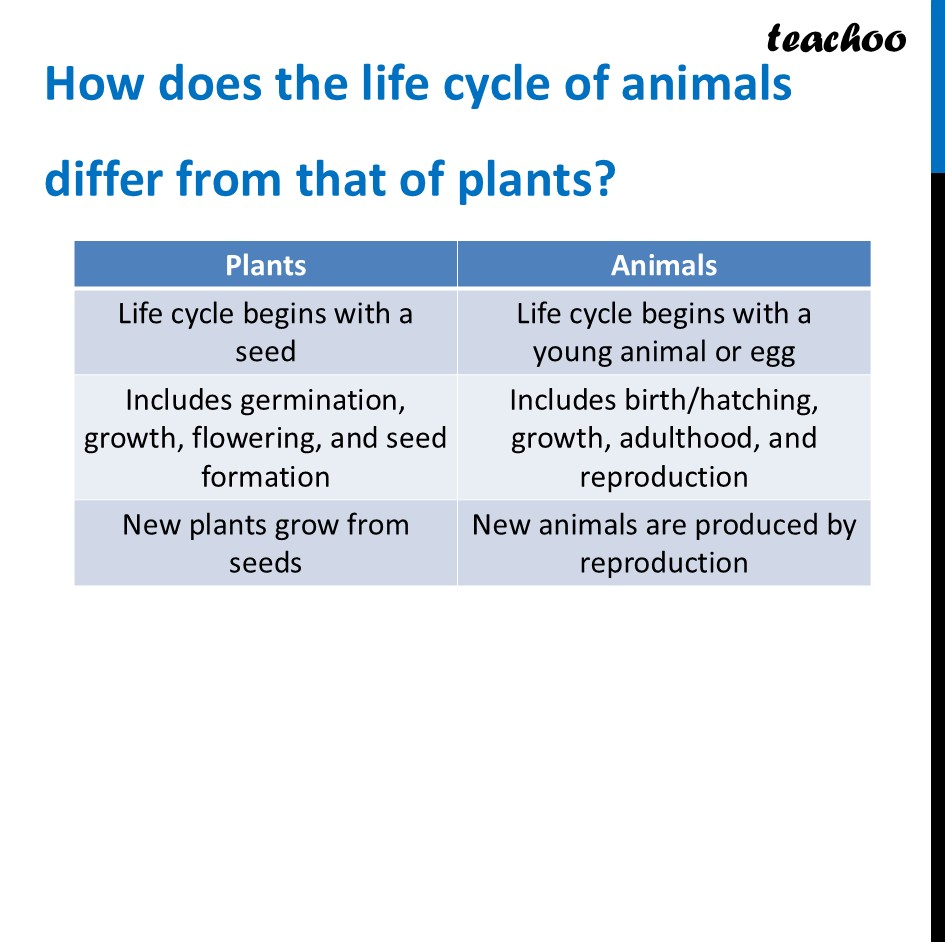
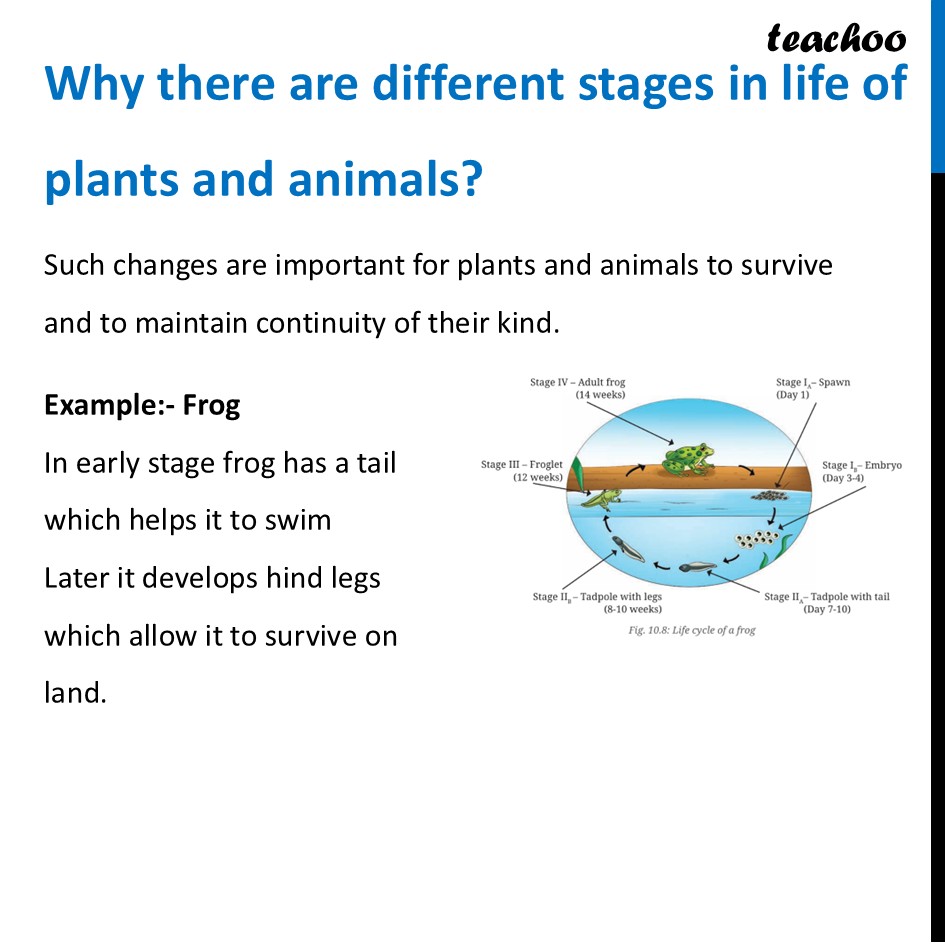
Life Cycle of MosquitoFemale mosquitoes lay eggs on the surface of stagnant water They breathe air through a small tube at the surface and eat microorganisms in the water They do not eat, but they rest and change into adults The pupa skin splits, and the adult Mosquito flies away Adult Mosquito Life Cycle of MosquitoStage Name Habitat Key Feature Egg On water Laid by female mosquito II Larva In water Breathes at water surface III Pupa In water Resting/ transformation stage IV Adult Air (flying) Lives 10-15 daysWhy should we avoid Stagnant water in Water Coolers and Planted pots ?Because female mosquito lays eggs in stagnant water Larva and Pupa are also found in Stagnant water How to prevent Mosquitos?How can the life cycle of a mosquito be disrupted?I have seen my mother spraying kerosene oil on stagnant water. Why does she do so?Kerosene oil forms a thin layer over the water surface. This layer separates water from air, and does not allow larvae and pupae to inhale air. As a result, they die.Life Cycle of Silk MothFemale silk moths lay eggs on mulberry leaves The larva or silkworm feeds on mulberry leaves and grows quickly. It spins a silk thread around itself to form a cocoon Inside the cocoon, the silkworm changes into a pupa. The pupa slowly develops into an adult moth. The adult silk moth comes out of the cocoon, mates, and lays eggs. This begins the life cycle again. Larvae secrete thread-like material which they wrap around themselves, before changing to pupae. These are the fibres that are used to make silk fabric. Life Cycle of FrogFemale frogs lay eggs - jelly-like substance called spawn in water. Inside the egg, the embryo develops and grows. After some time, it hatches from the egg. The young frog is called a tadpole. It has a long tail which helps them swim in water. The tadpole starts growing hind legs. Tadpole with Legs Tadpole with Tail Embryo Spawn Froglet Adult Frog The froglet looks like a small frog with a short tail. The frog becomes a fully grown adult frog. It lays eggs again, starting the life cycle. Activity 10.6Observe the features of all the stages of a frog shown in Fig. 10.7. How will you decide the sequence of the given stages (A, B, C, D, E, F) Some of the stages show distinct changes in their initial and final shapes. Record these changes in Table 10.5 ObservationsEggs laid in Water in a jelly-like cluster. It looks like a small frog but still has a tail. Young tadpole with a long tail and no legs Fully grown adult frog With four legs and no tail. Embryo developing inside the egg before hatching. Correct Sequence:- A → F → C → D → B → E In Between Questions (Page 201)Discuss in the class along the following points: How are these eggs of a frog different from the other eggs that you may have seen? Frog eggs are very small and have a jelly like covering while bird eggs are larger and have a hard protective shell. Which stage has the shortest duration? Stage IB – Embryo lasts only 1–2 days. Therefore, the embryo stage has the shortest duration. Is there a change in the habitat during the various stages in the life cycle of a frog? Yes, there are some changes eggs, embryo, tadpole with tail and tadpole with legs lives in water froglet and adult frog lives in water and on land also. In Between Question (Page 201)Discuss in the class along the following points: How do the special features support that stage? These features help the frog survive in its environment at each stage of development. Stage Special Feature How it helps? Eggs (spawn) Jelly like covering Protects eggs in water Embryo Developing egg Forms body parts Tadpole with Tail Gills and Tail Helps in breathing and swimming in water Tadpole with legs Developing legs Prepares it for movement on land Froglet Legs and small tail Can move on land and swim Adult frog Lungs and strong legs CL Breathes air and jumps on landWhy Tadpoles develop legs but still have tails?Tadpole with Legs and Tail It is because:- The tail helps them swim in water. The legs start developing so they can move on land later. During this stage (called froglet stage), the tadpole can both swim and begin preparing for life on land. As it grows further, the tail slowly disappears and the frog becomes an adult frog. Do you think that birds also show significant changes in the various stages of their life cycle?Birds also show some changes :- Birds hatch from eggs as chicks. The chicks look similar to adult birds, but they are smaller and have fewer feathers. As they grow, they mainly increase in size and develop feathers and wings. How does the life cycle of animals differ from that of plants?Plants Animals Life cycle begins with a seed Life cycle begins with a young animal or egg Includes germination, growth, flowering, and seed formation Includes birth/hatching, growth, adulthood, and reproduction New plants grow from seeds New animals are produced by reproductionWhy there are different stages in life of plants and animals?Such changes are important for plants and animals to survive and to maintain continuity of their kind. Example:- Frog In early stage frog has a tail which helps it to swim Later it develops hind legs which allow it to survive on land.
