
 You are here
![How do Clouds give us Rain? [Class 6 Sciecne - Curiosity] - Teachoo - Concepts](https://cdn.teachoo.com/817b1e5b-fb2e-4f31-b121-8a7f3d380b04/slide59.jpg)
Last updated at January 6, 2026 by Teachoo
Transcript
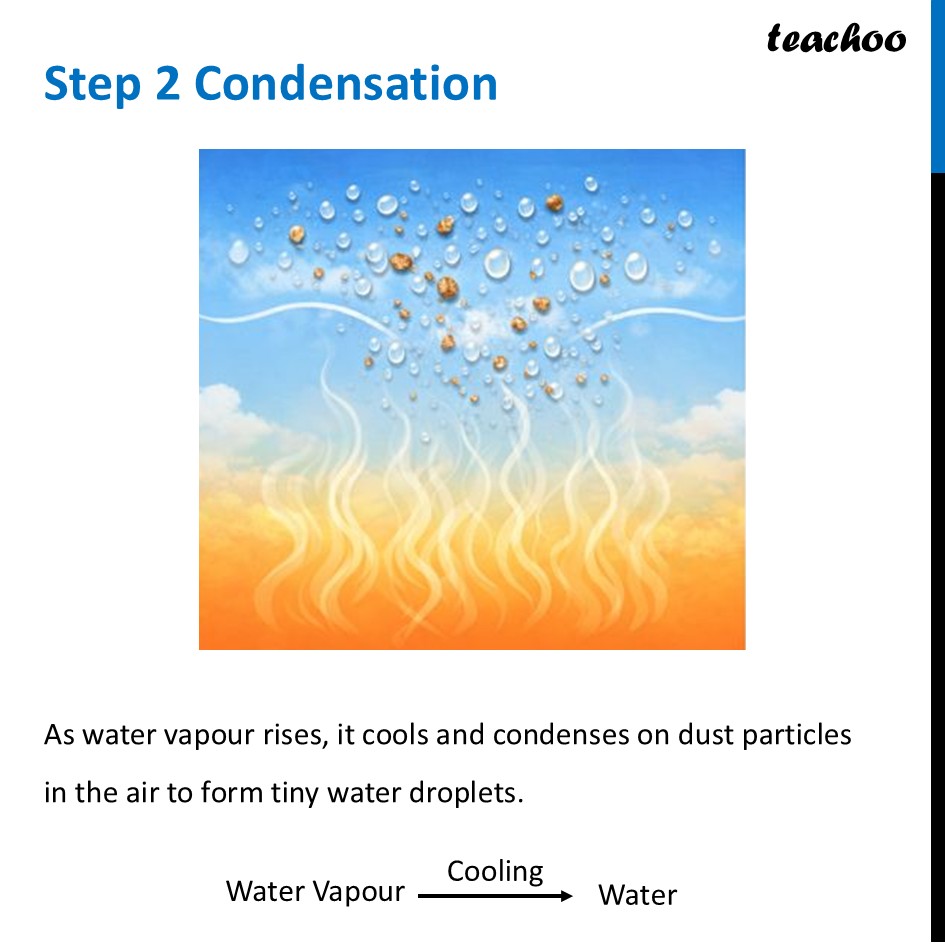
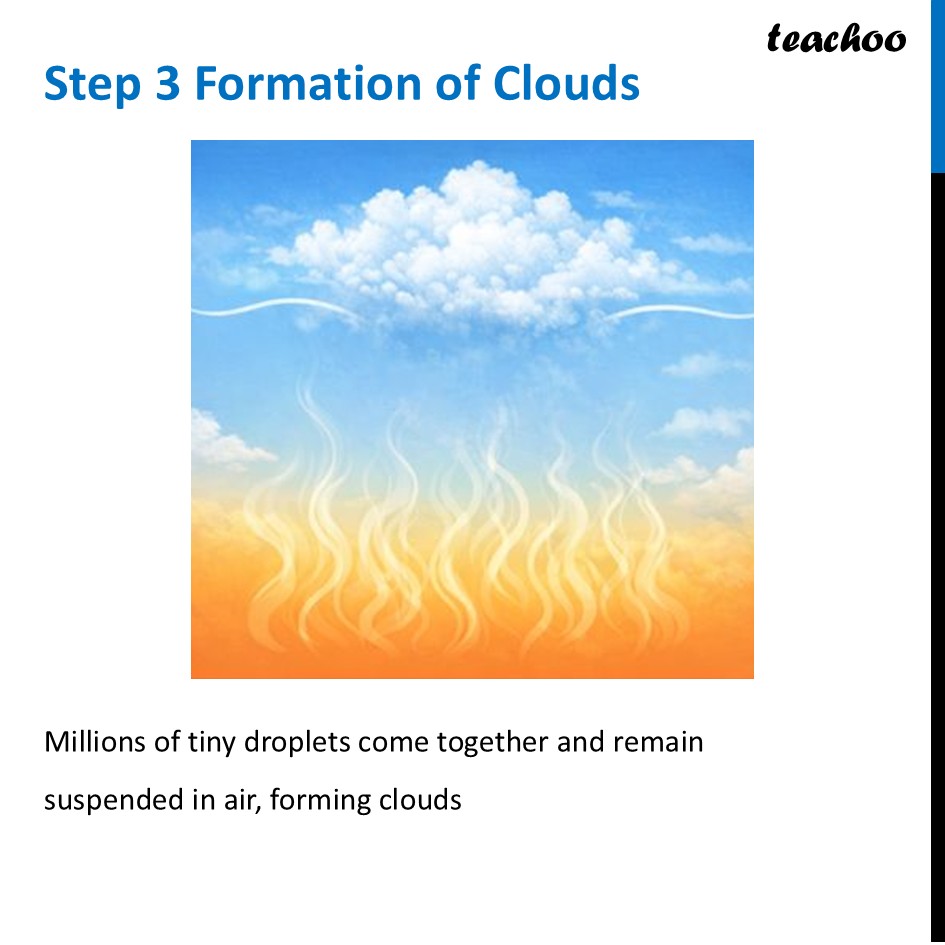
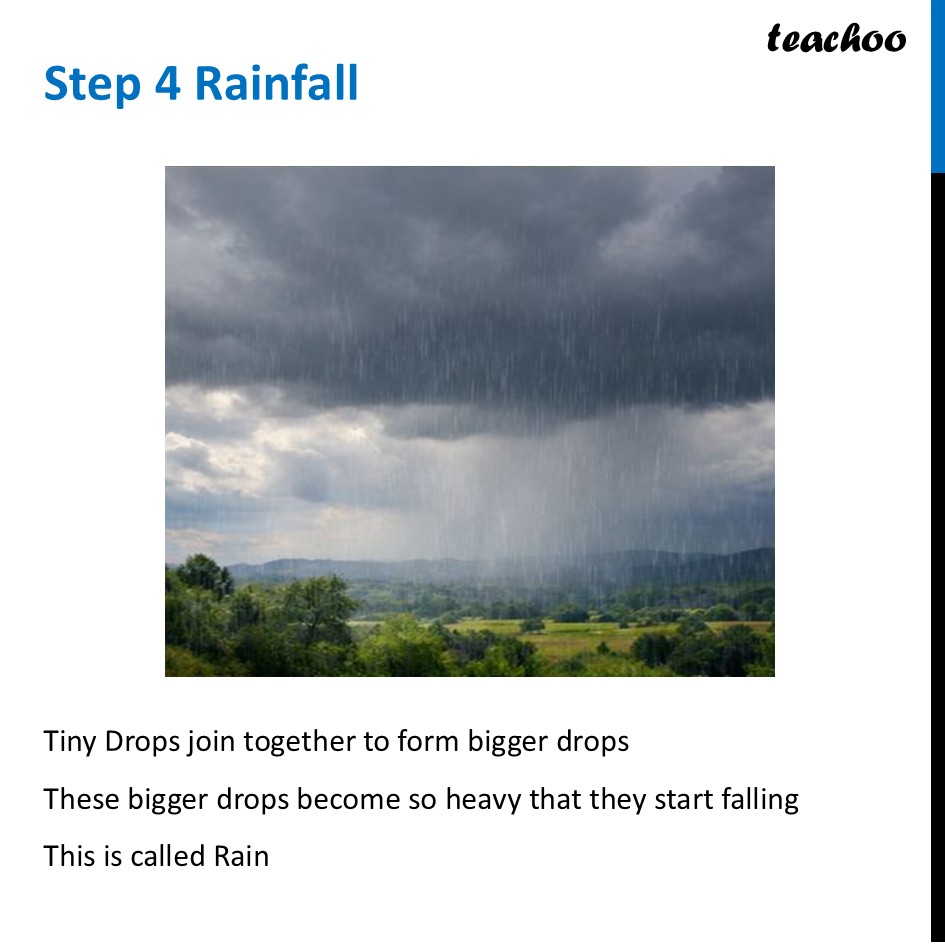
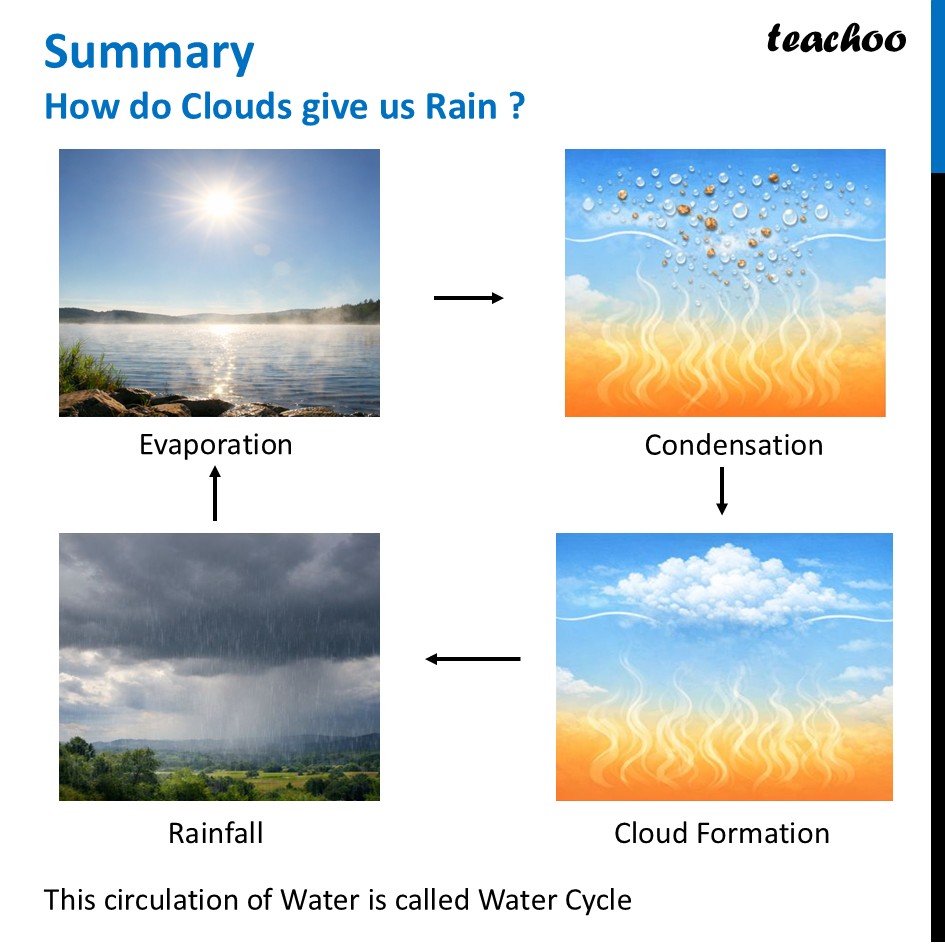
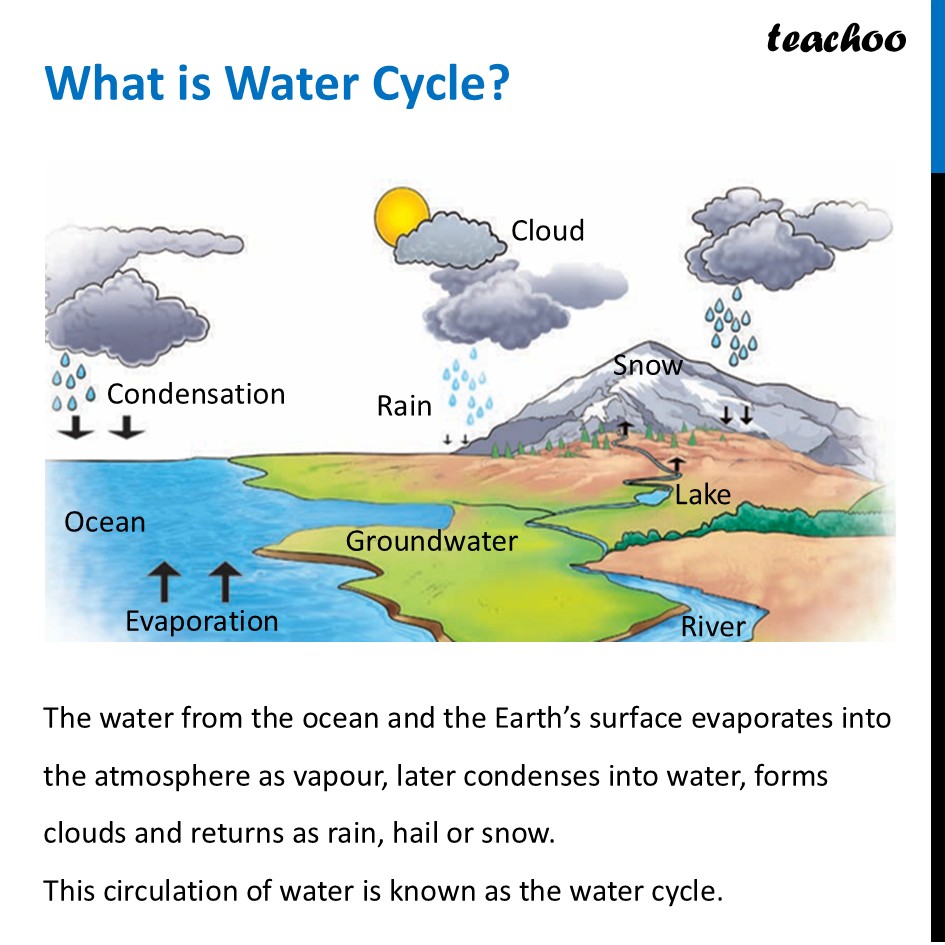
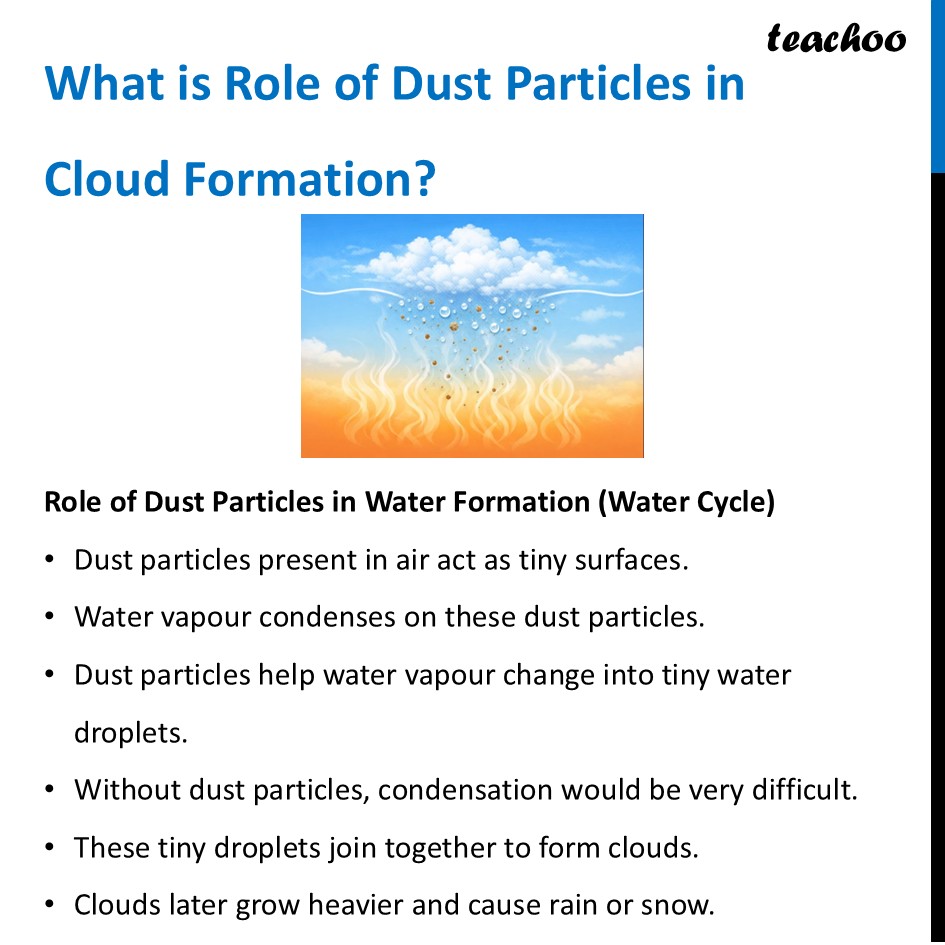
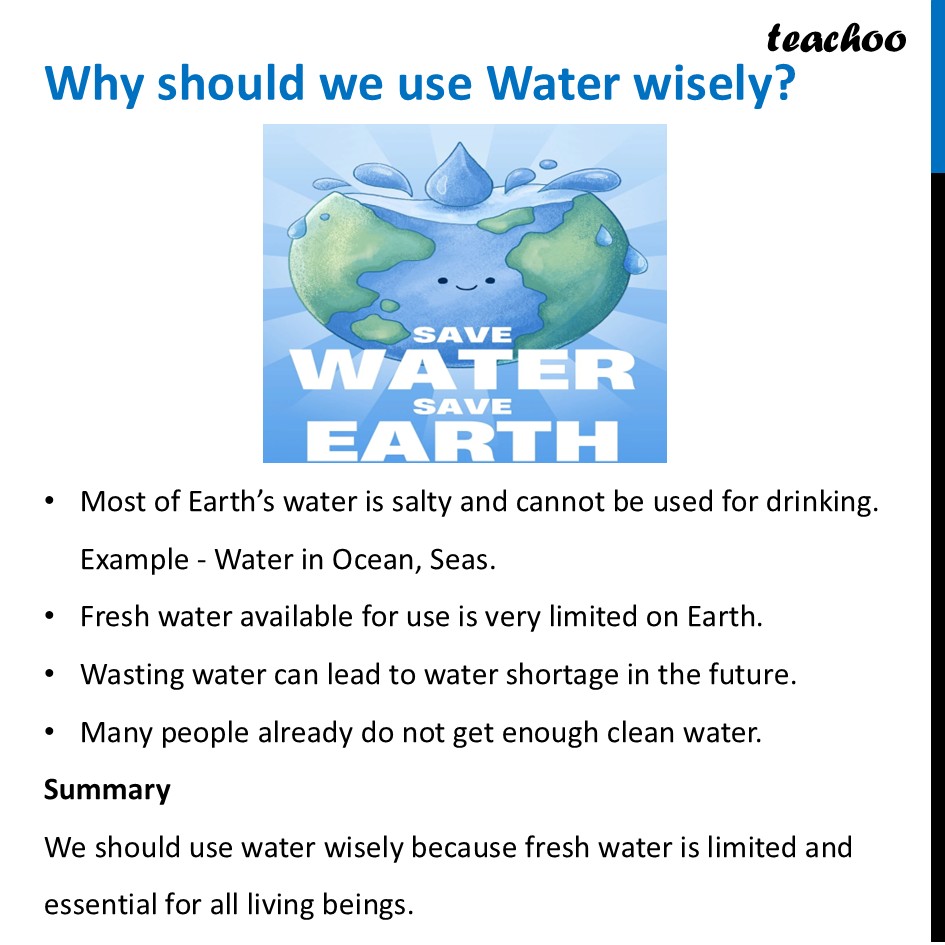
Step 1 Evaporation Evaporation Water Vapour Water from ocean and Earth Surface evaporates to Form Water Vapour due to heat of sun. Step 2 Condensation As water vapour rises, it cools and condenses on dust particles in the air to form tiny water droplets. Water Vapour Cooling Water Step 3 Formation of Clouds Millions of tiny droplets come together and remain suspended in air, forming clouds Step 4 Rainfall Tiny Drops join together to form bigger drops These bigger drops become so heavy that they start falling This is called Rain How do Clouds give us Rain? Rainfall This circulation of Water is called Water Cycle What is Water Cycle? The water from the ocean and the Earth's surface evaporates into the atmosphere as vapour, later condenses into water, forms clouds and returns as rain, hail or snow. This circulation of water is known as the water cycle. What is Role of Dust Particles in Cloud Formation? Role of Dust Particles in Water Formation (Water Cycle) Dust particles present in air act as tiny surfaces. Water vapour condenses on these dust particles. Dust particles help water vapour change into tiny water droplets. Without dust particles, condensation would be very difficult. These tiny droplets join together to form clouds. Clouds later grow heavier and cause rain or snow. Why should we use Water wisely? Most of Earth's water is salty and cannot be used for drinking. Example - Water in Ocean, Seas. Fresh water available for use is very limited on Earth. Wasting water can lead to water shortage in the future. Many people already do not get enough clean water. Summary We should use water wisely because fresh water is limited and essential for all living beings.
