
 You are here
![[Mindful Eating: A path to healthy body] Different Components of Food - Concepts](https://cdn.teachoo.com/c6c45048-668c-4dcd-90ab-772b38e90bc9/slide30.jpg)
Last updated at November 17, 2025 by Teachoo
Transcript
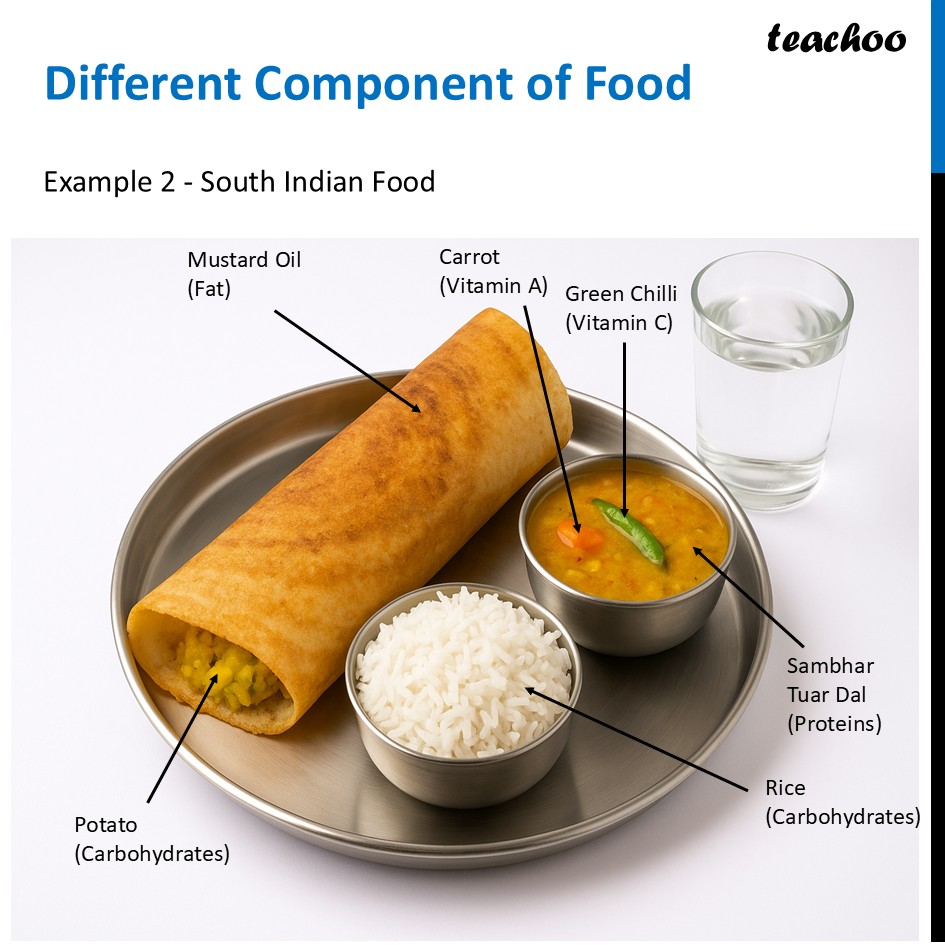
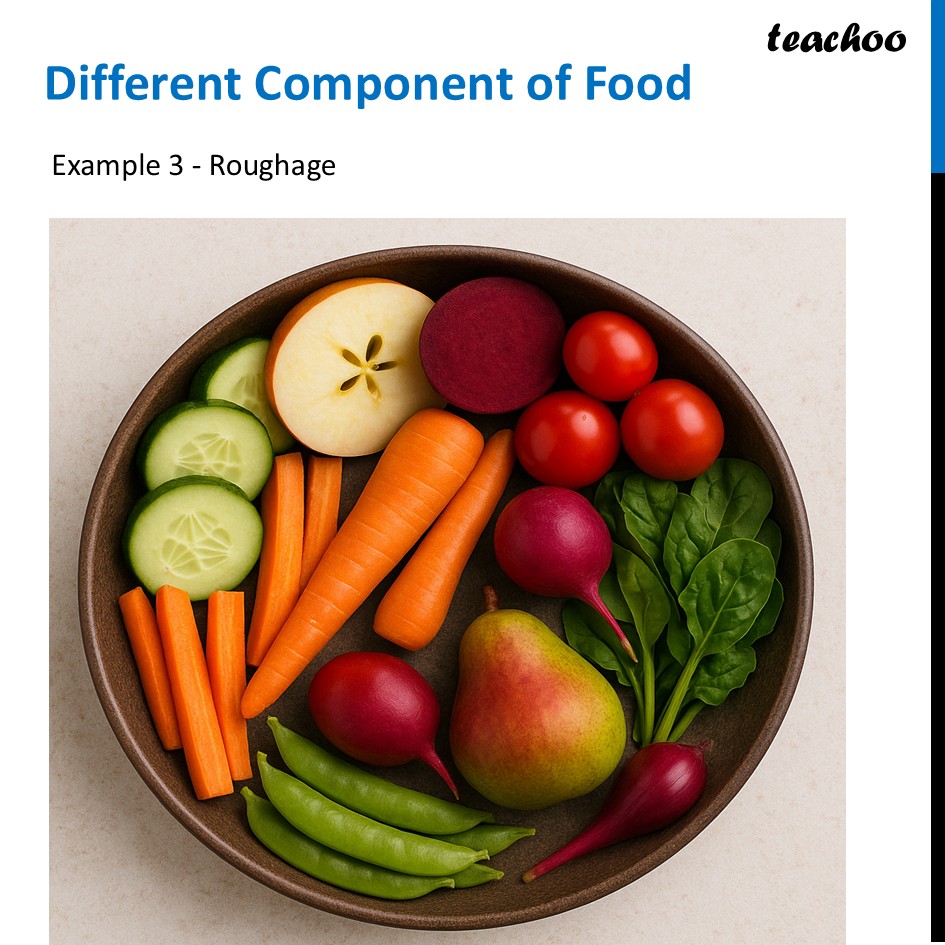
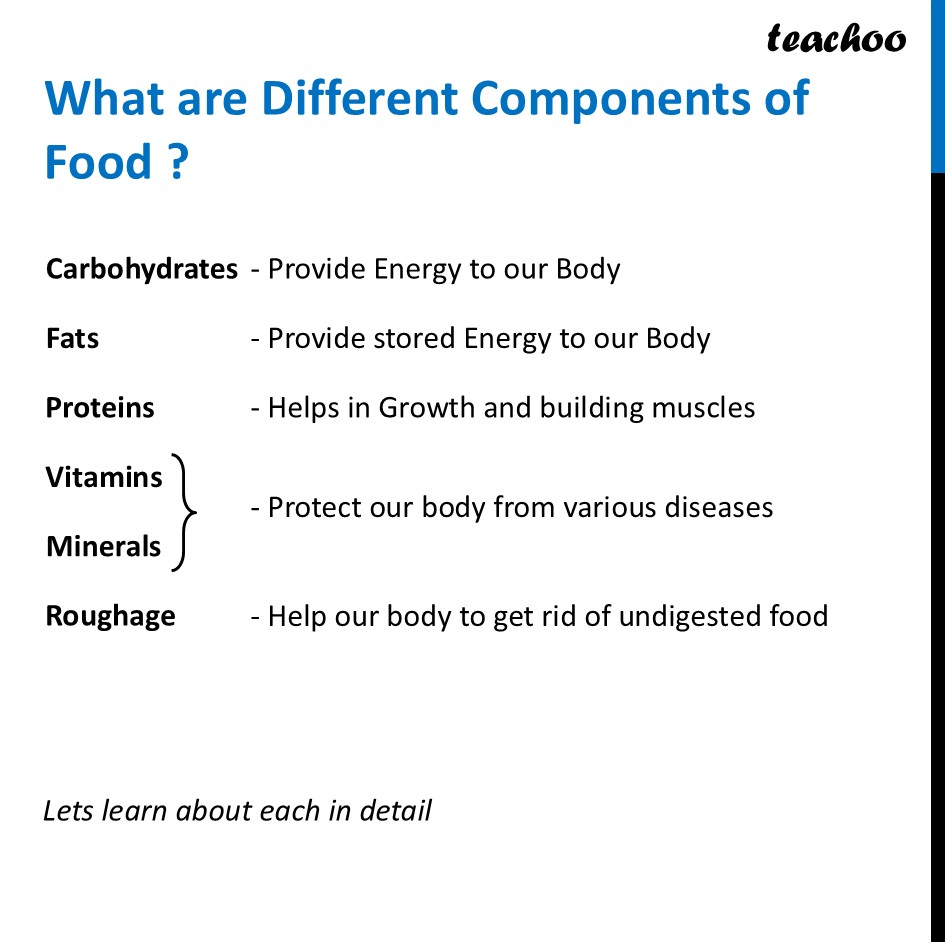
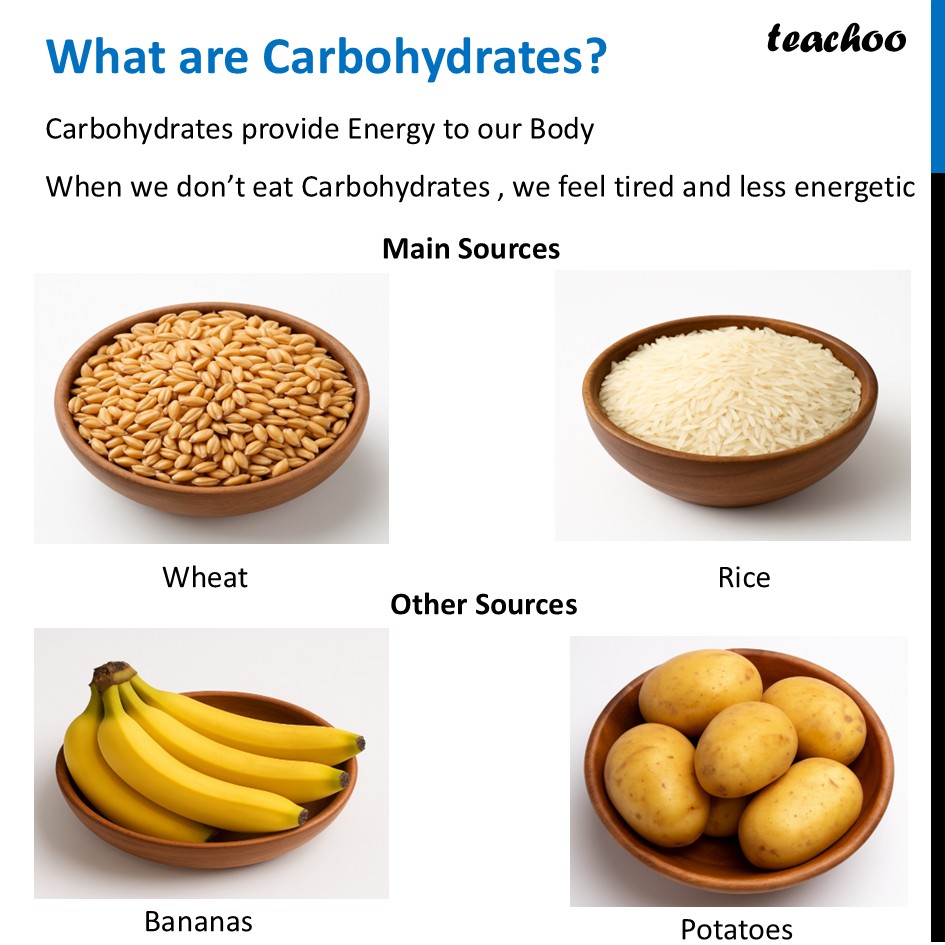
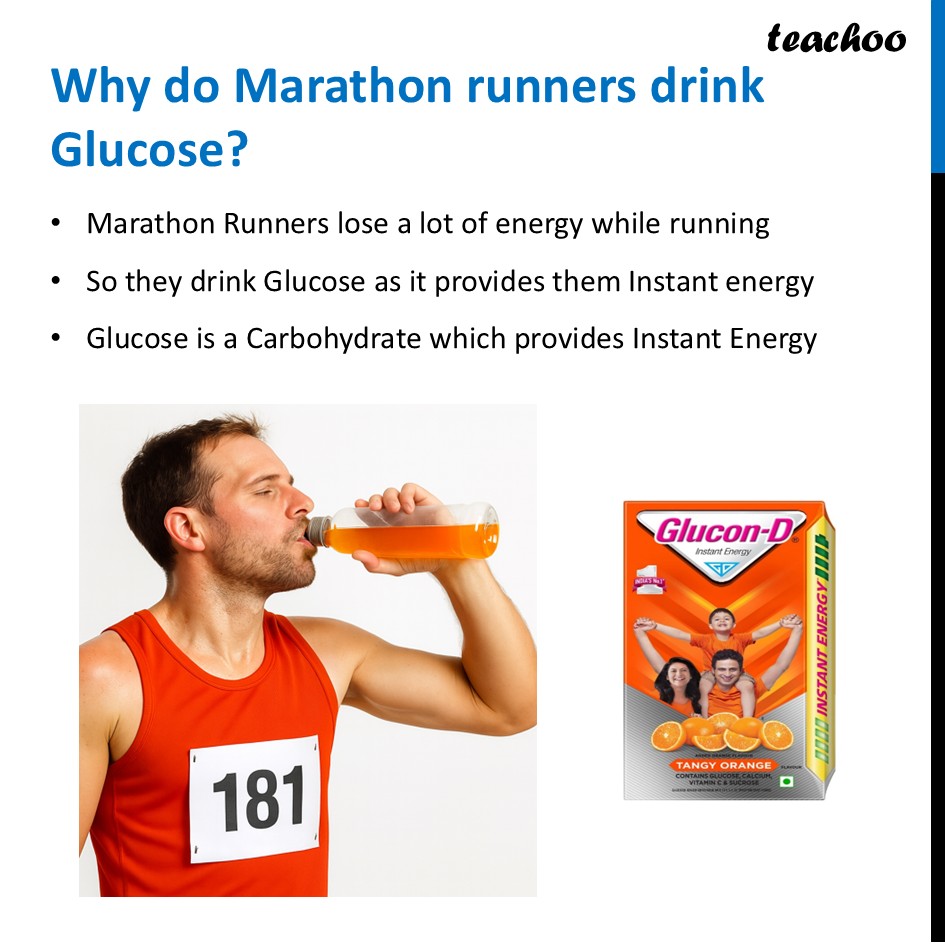
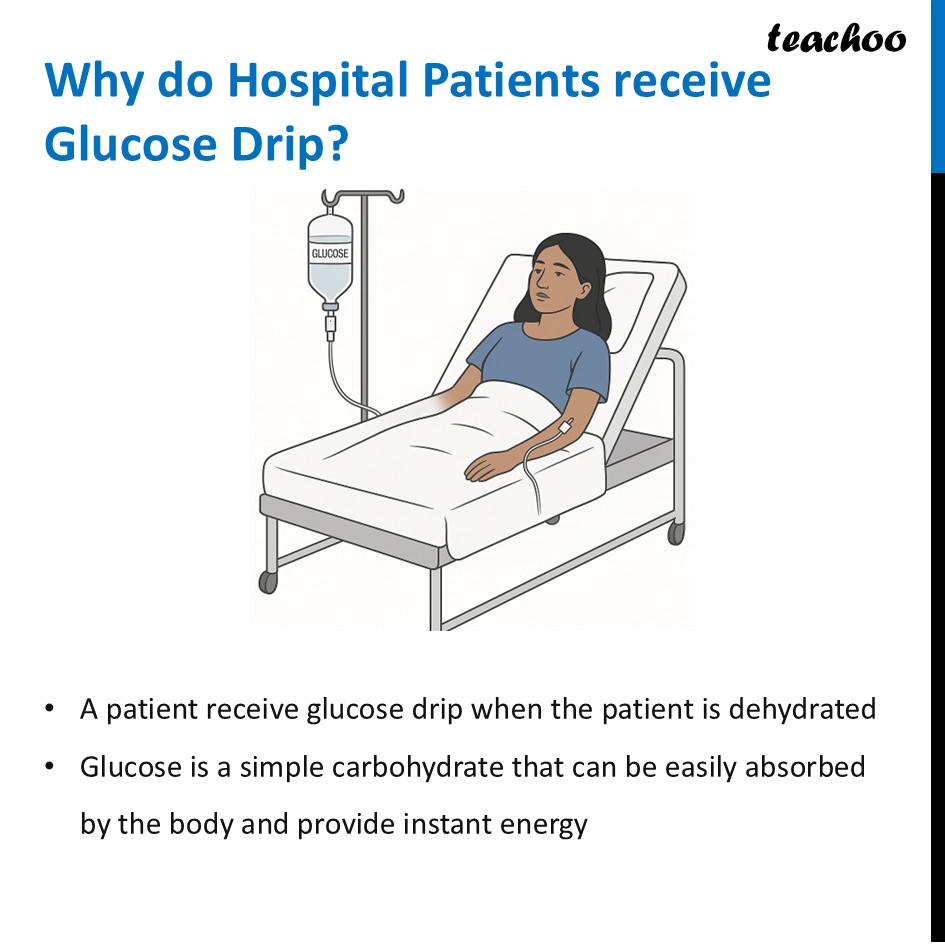
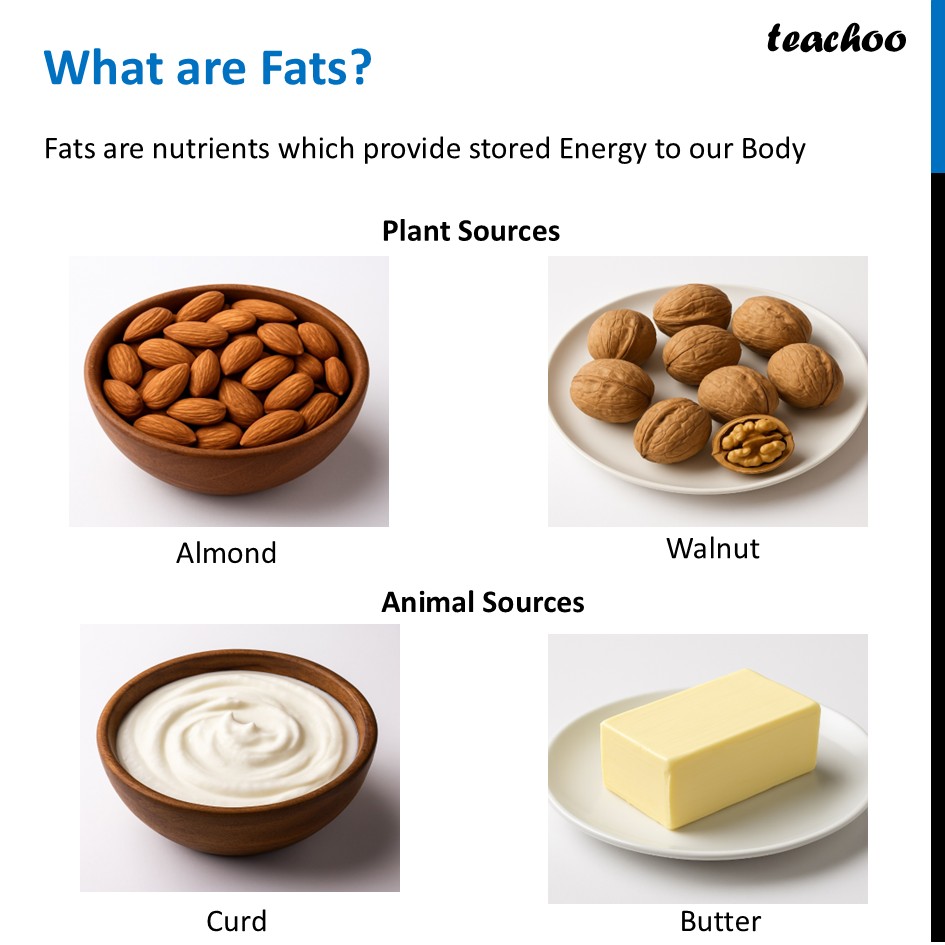
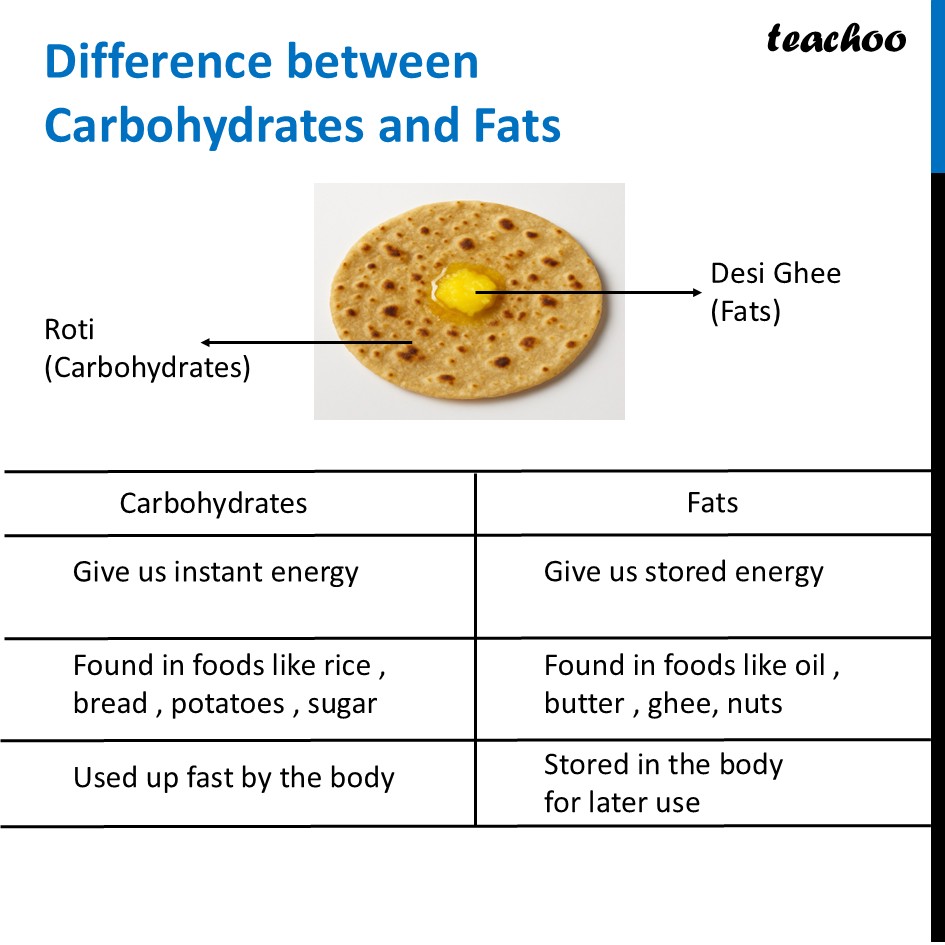
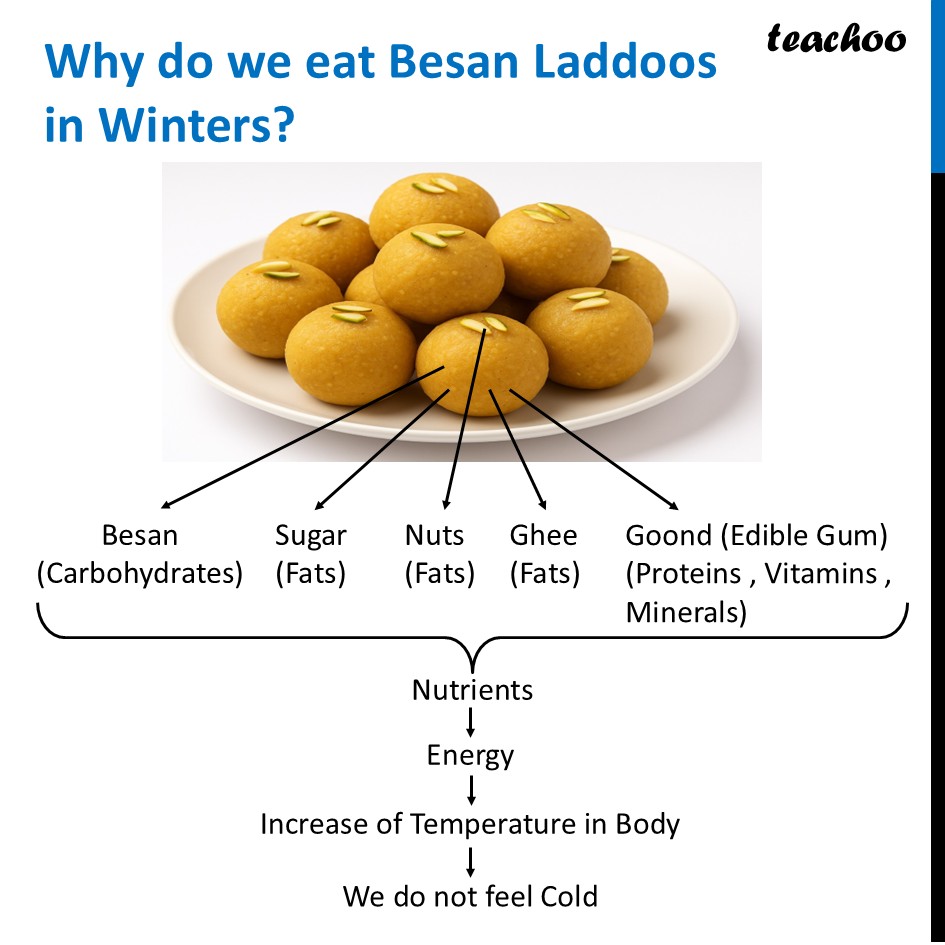
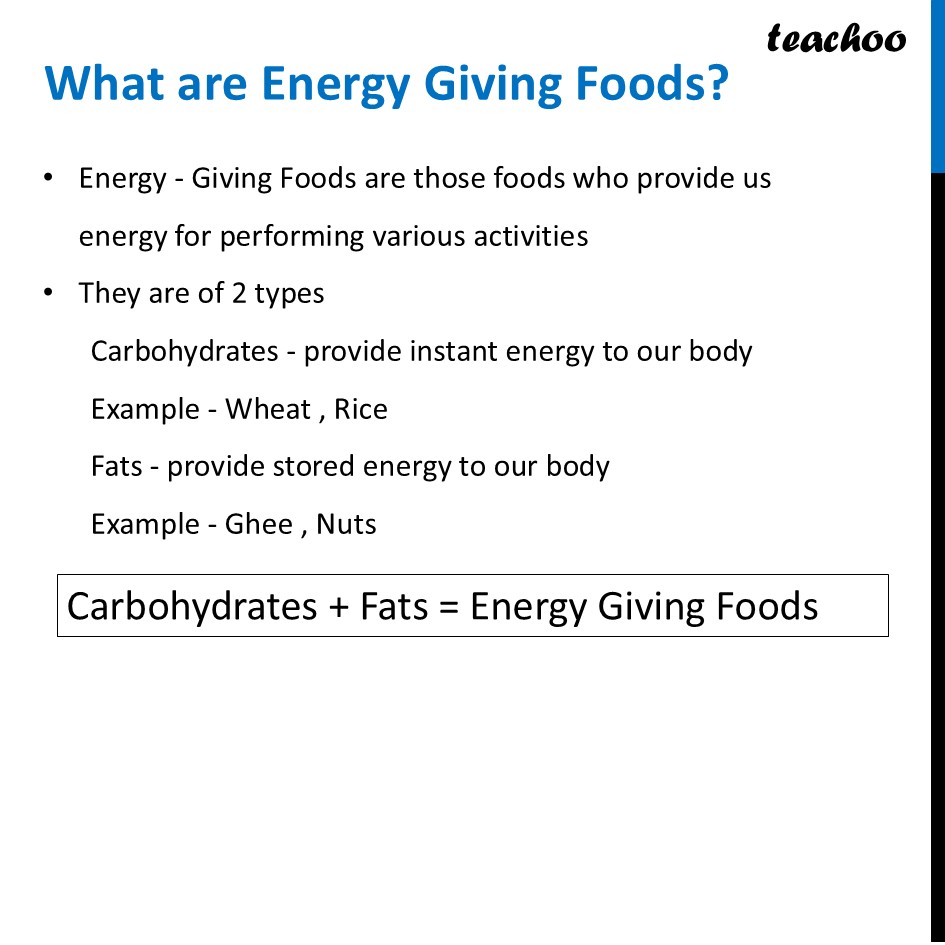
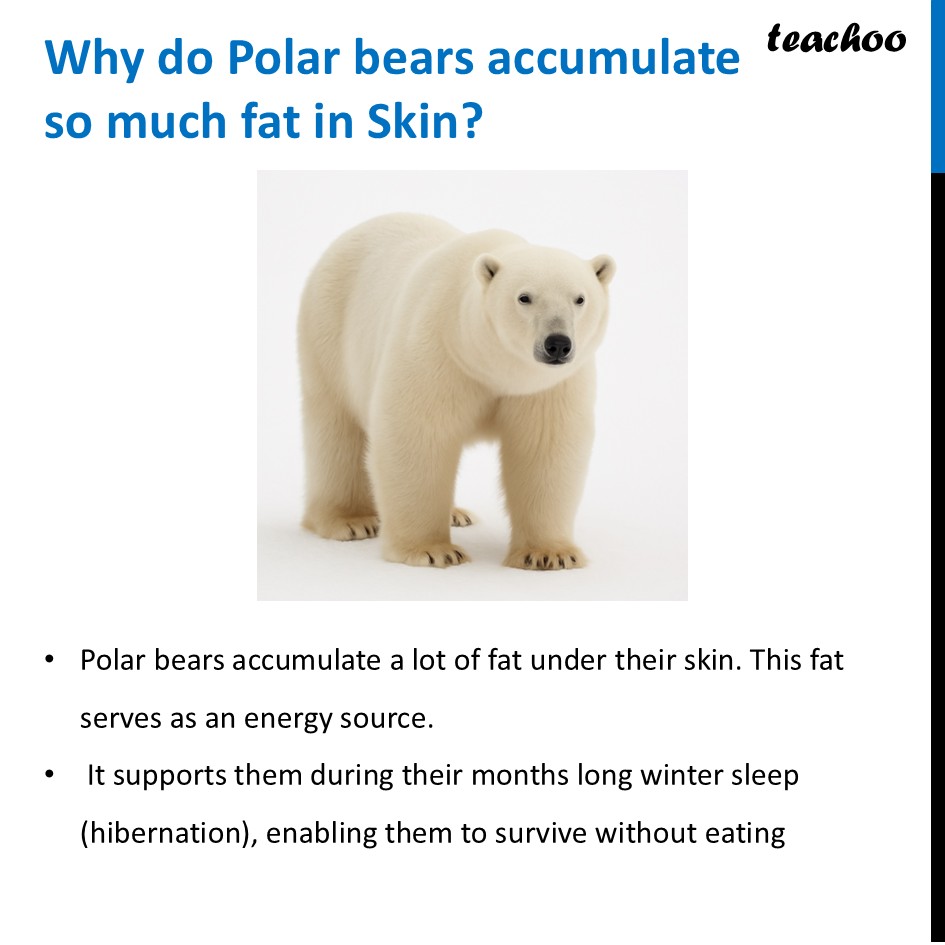
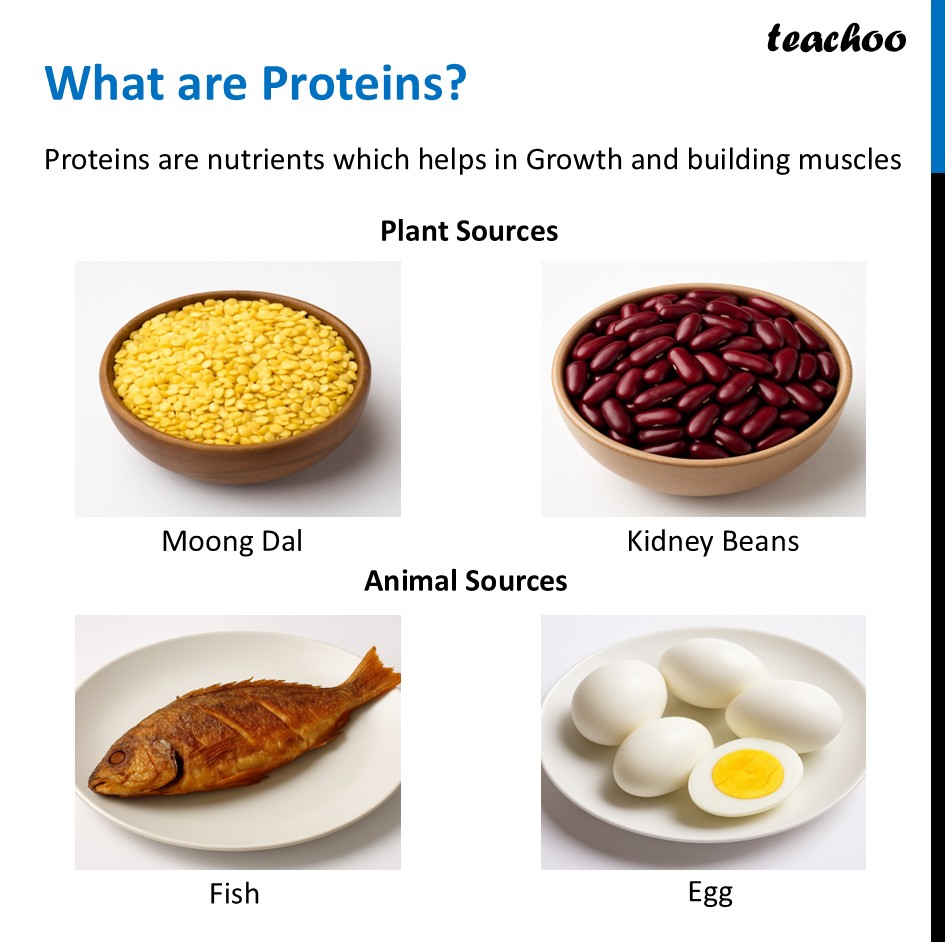
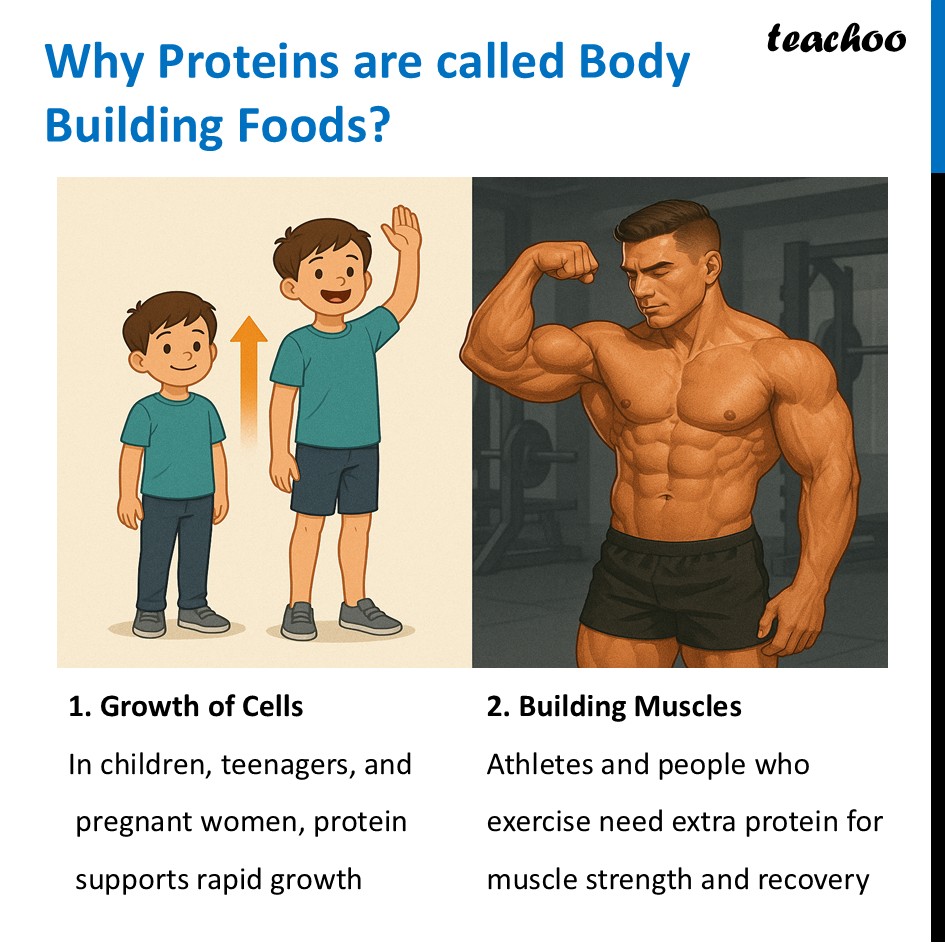
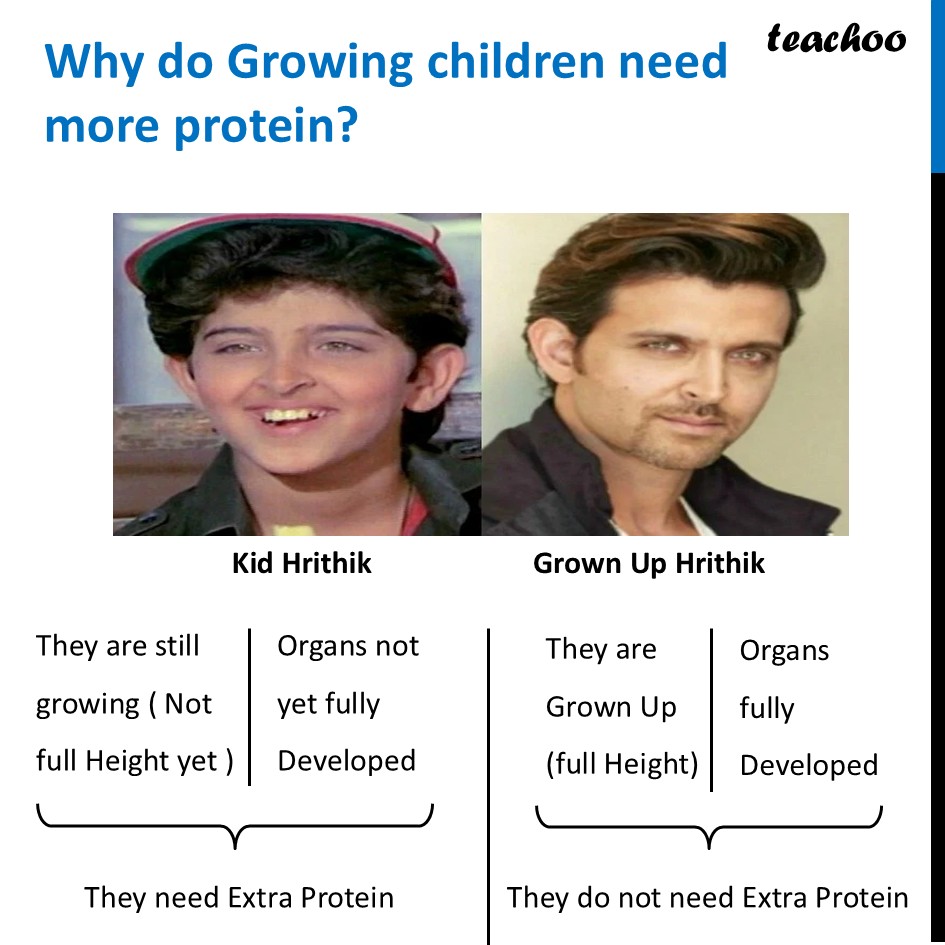
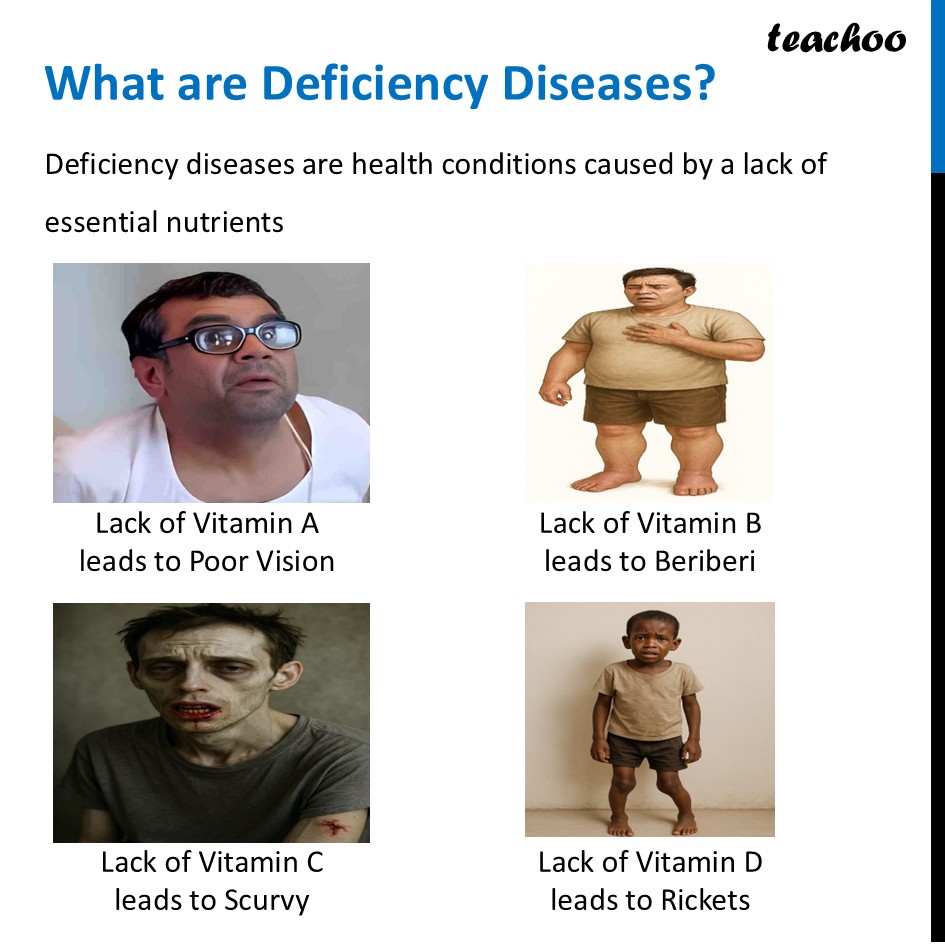
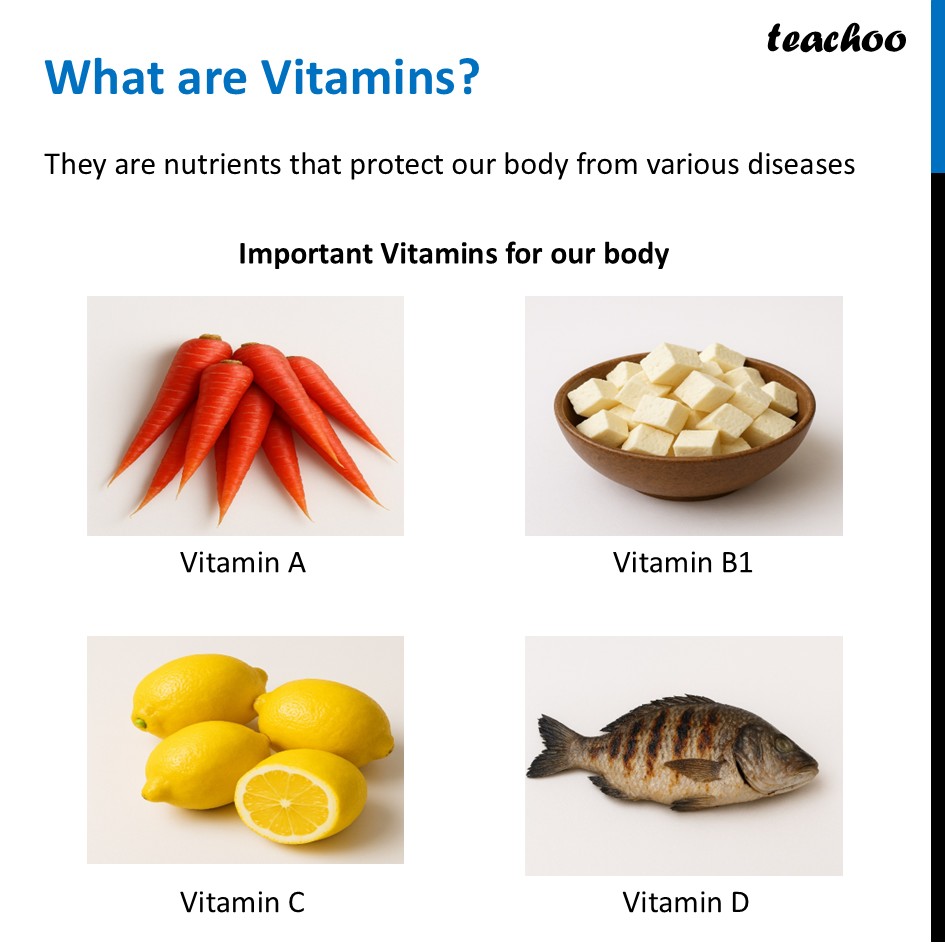
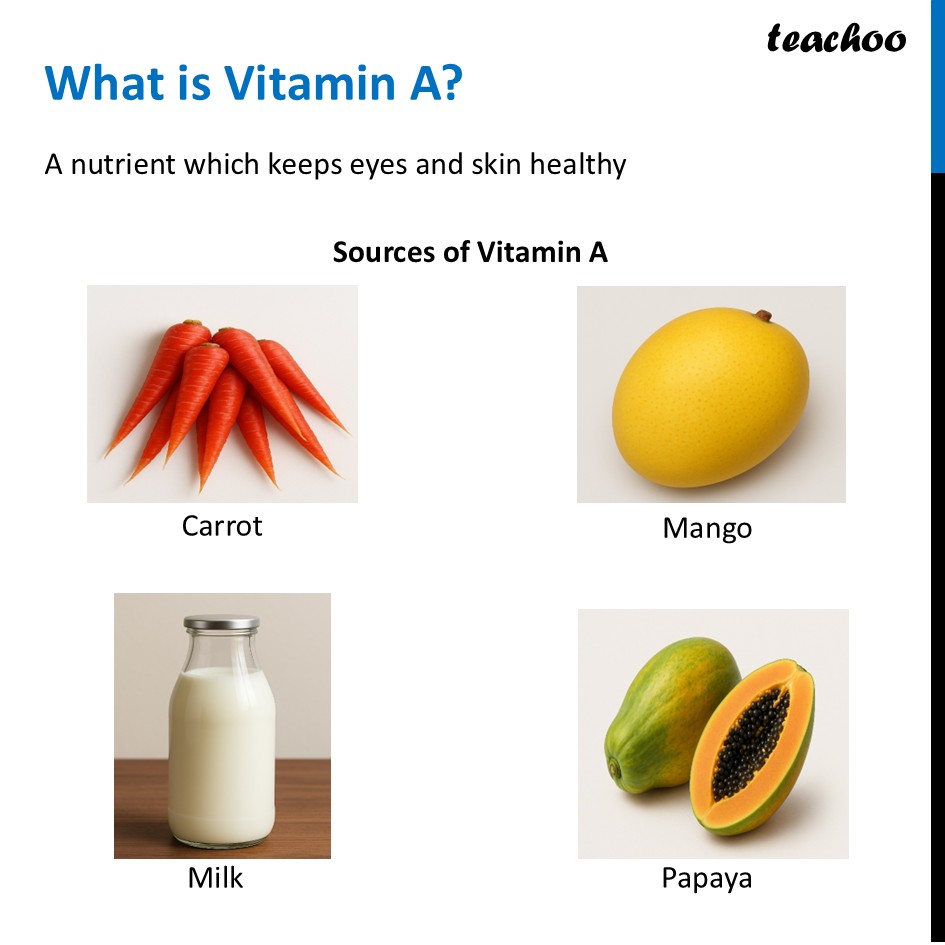
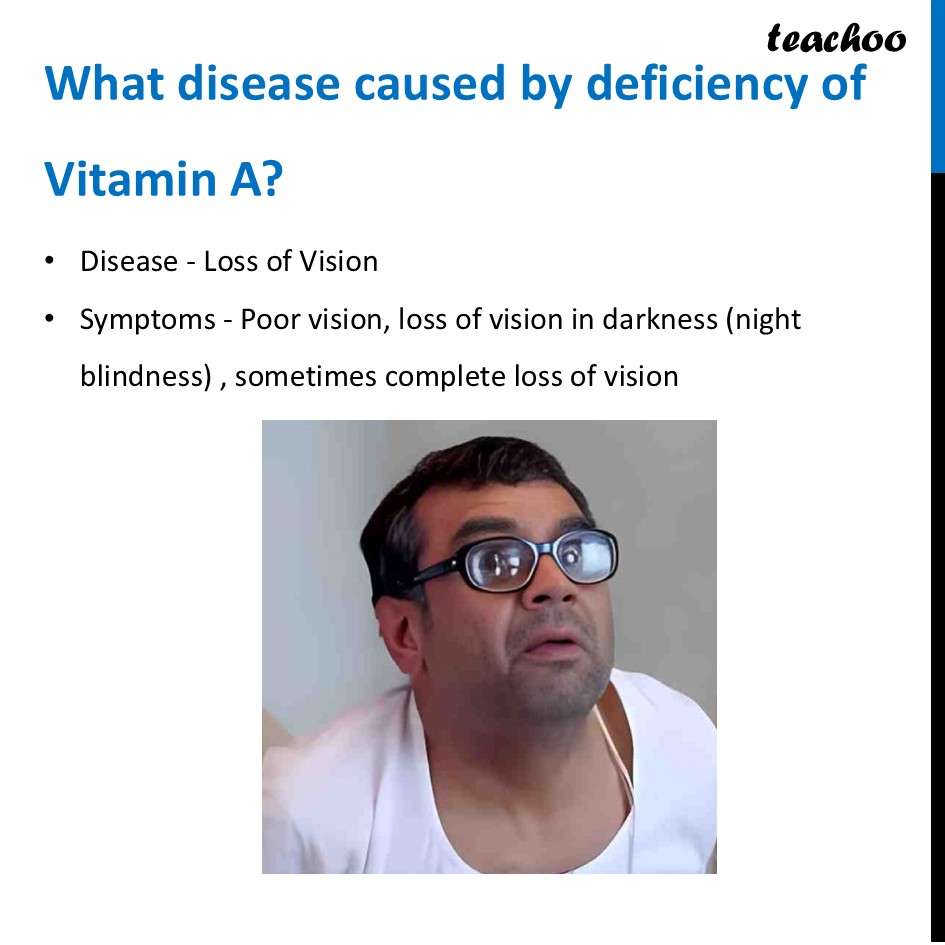
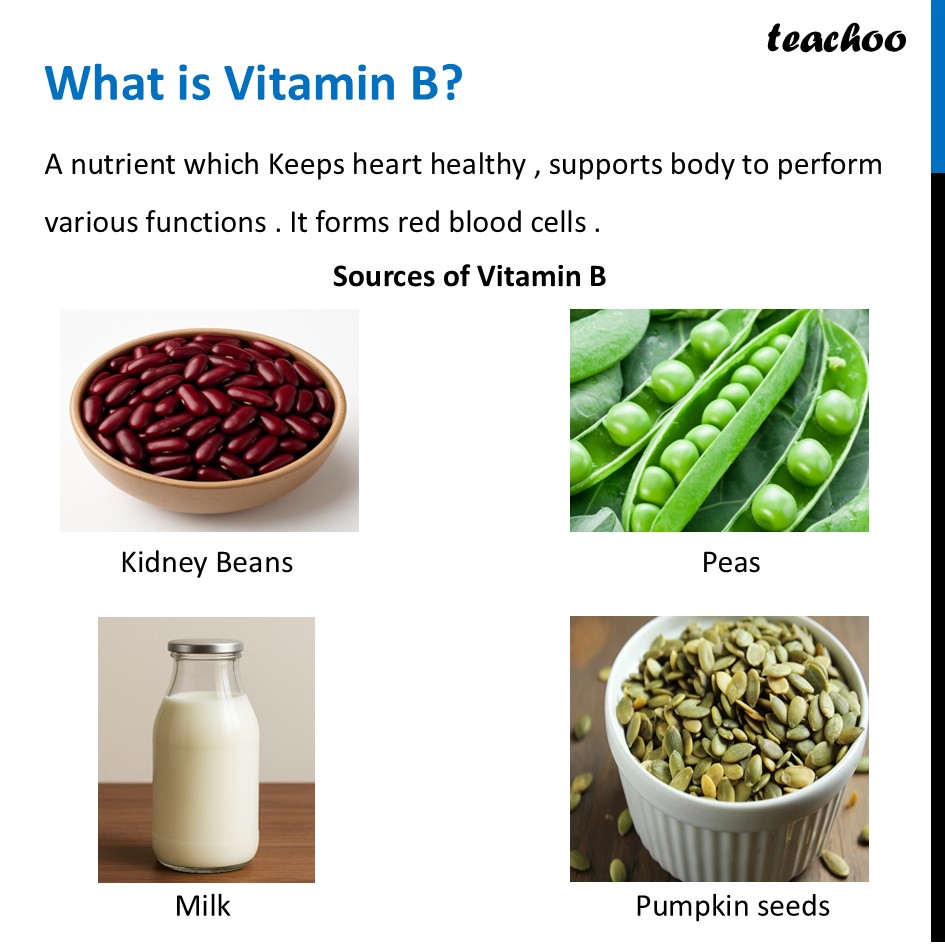
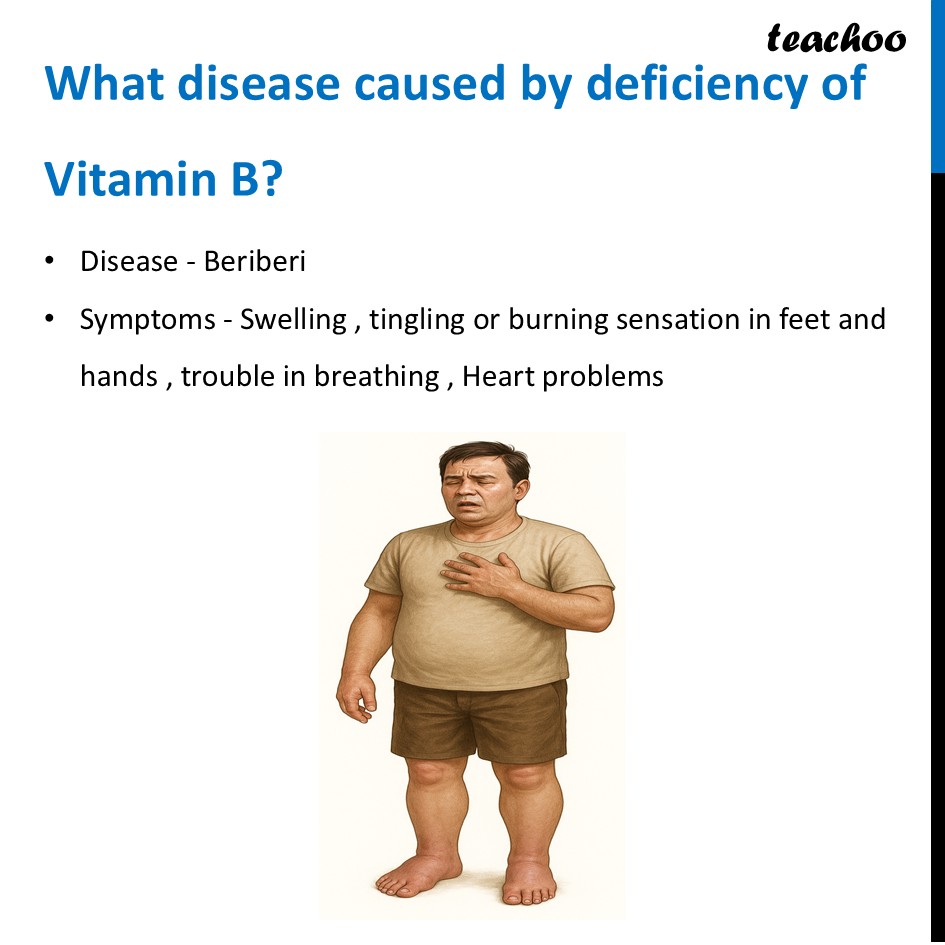
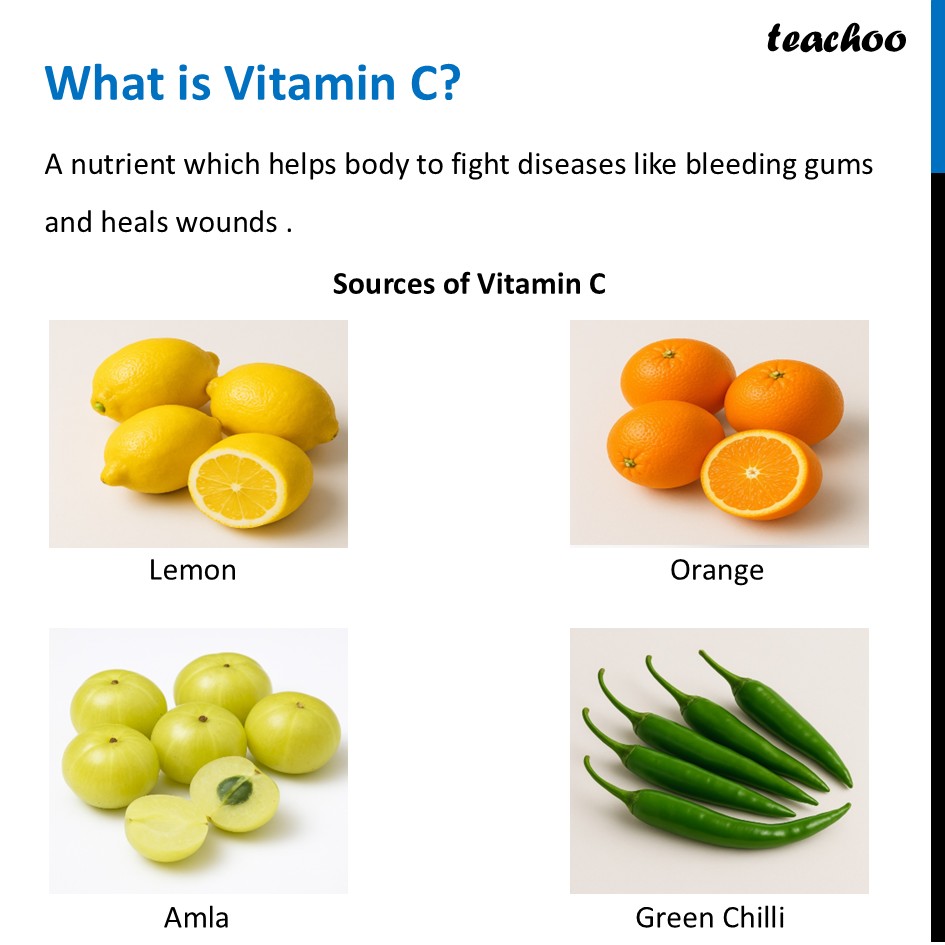
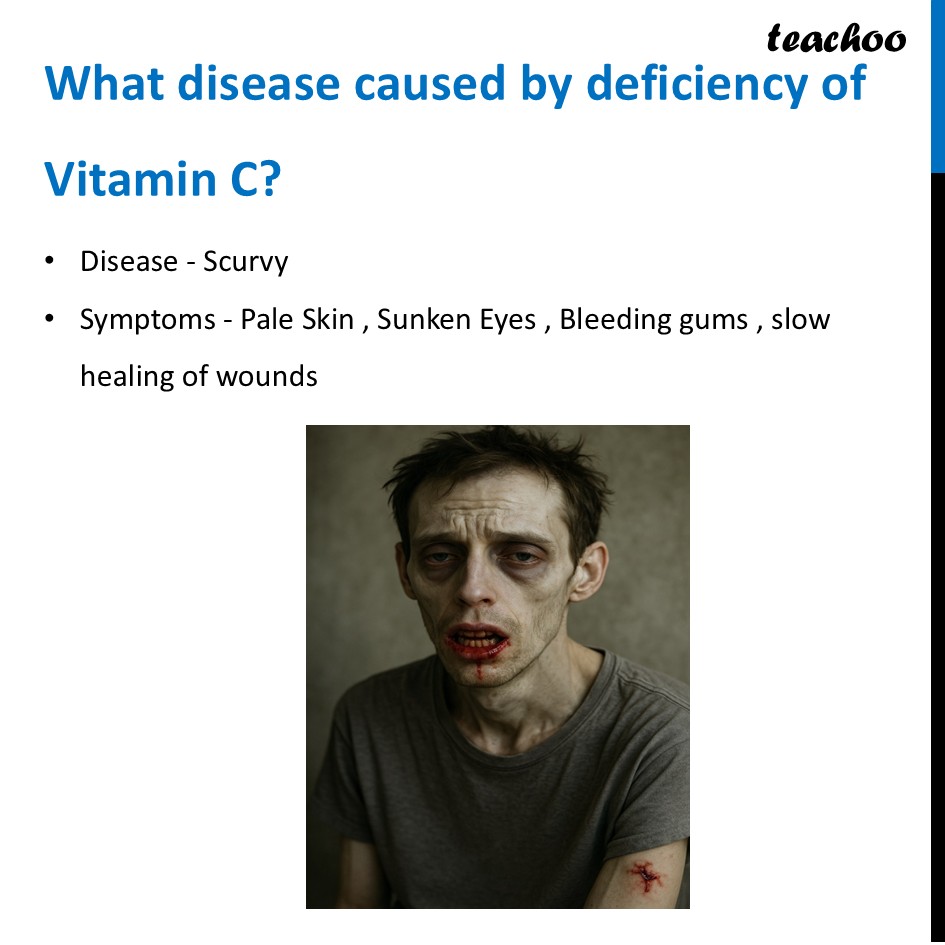
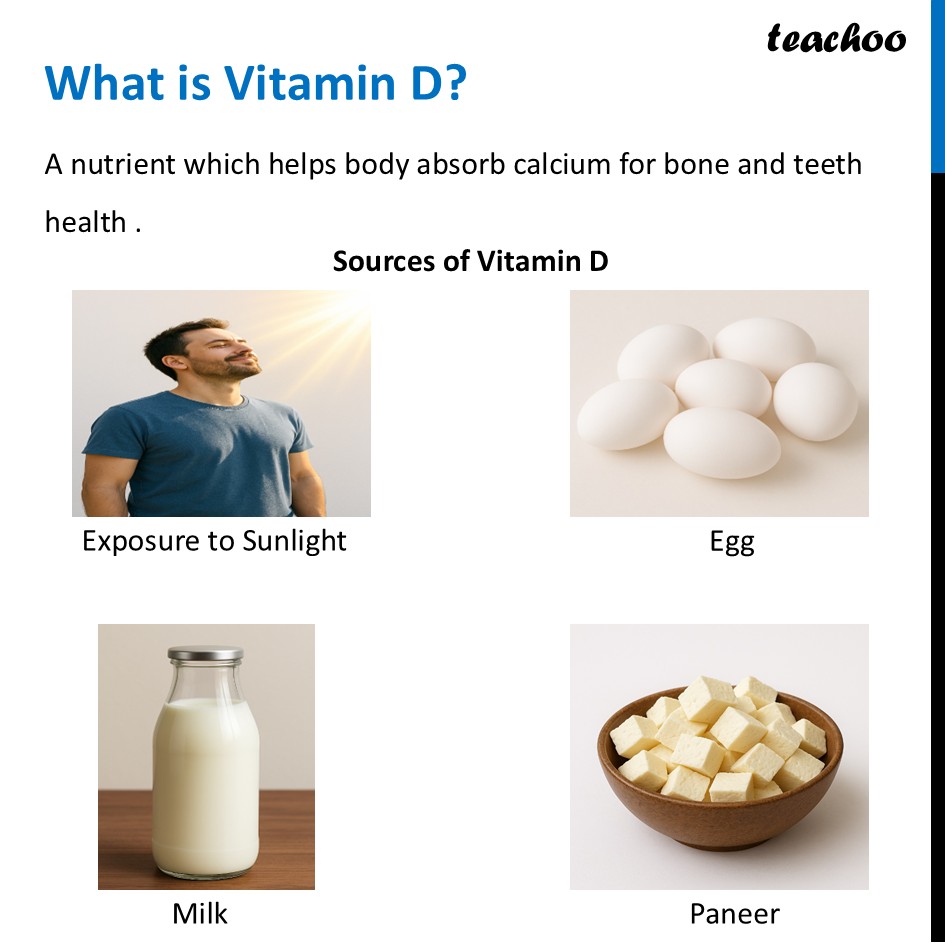
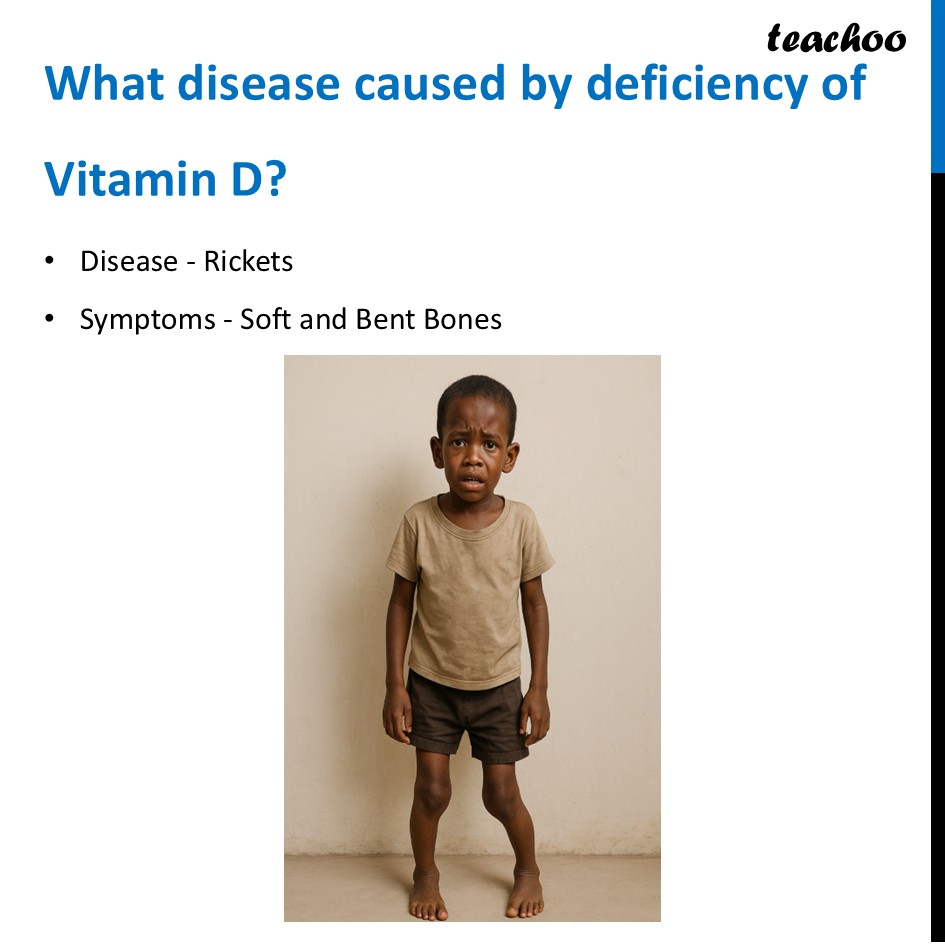
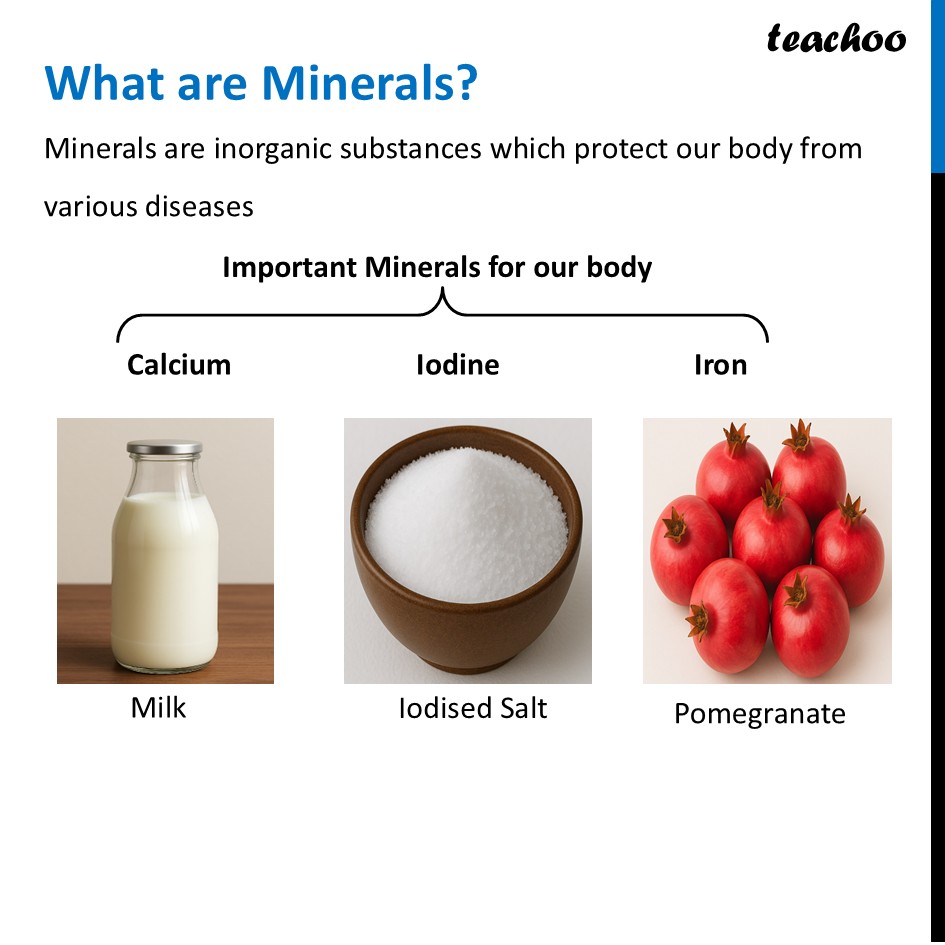
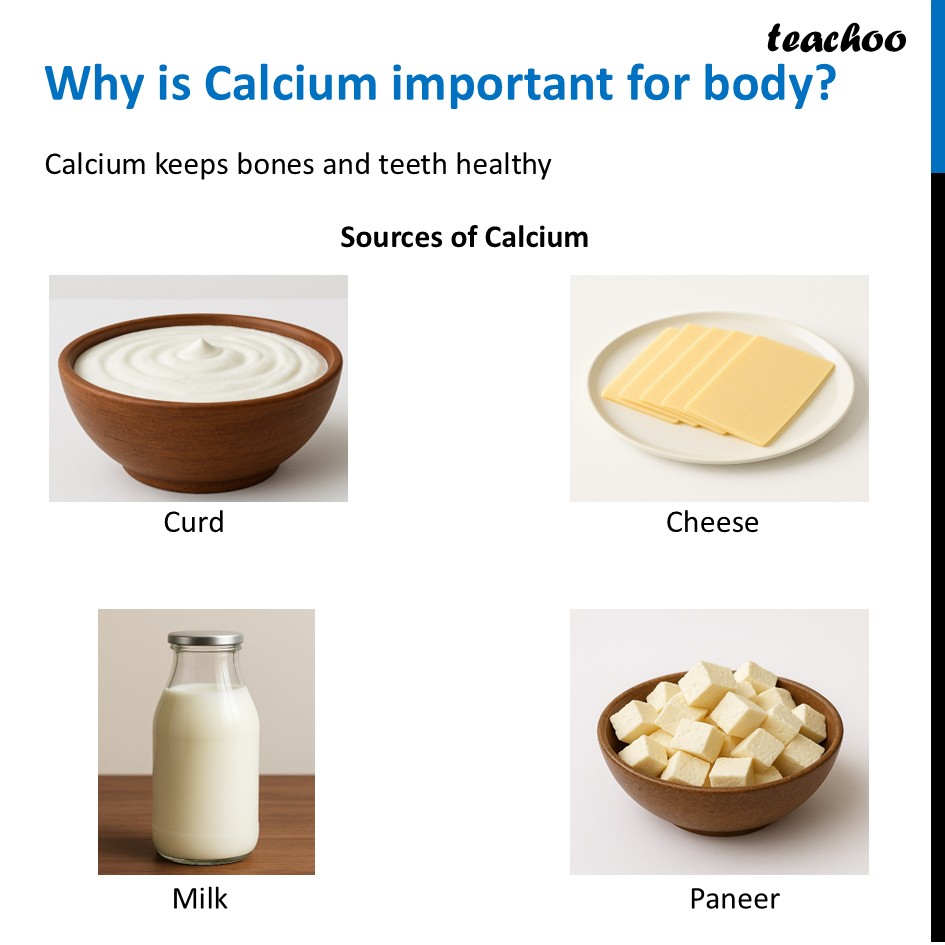
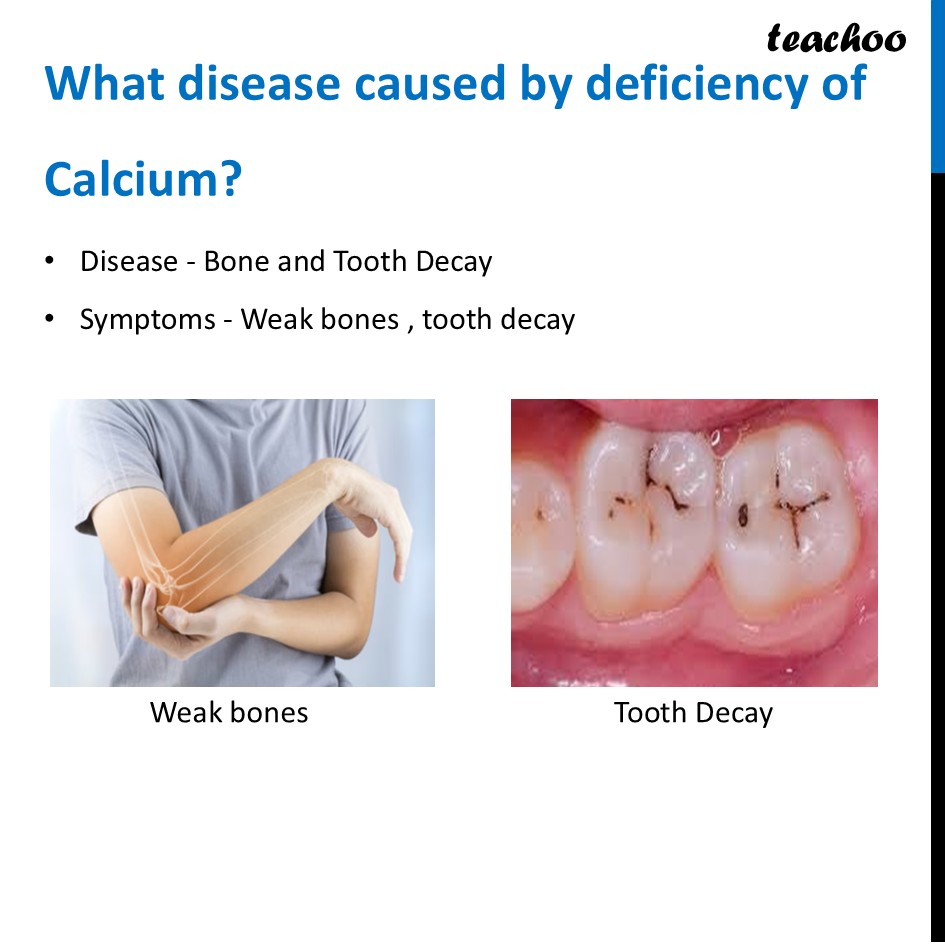
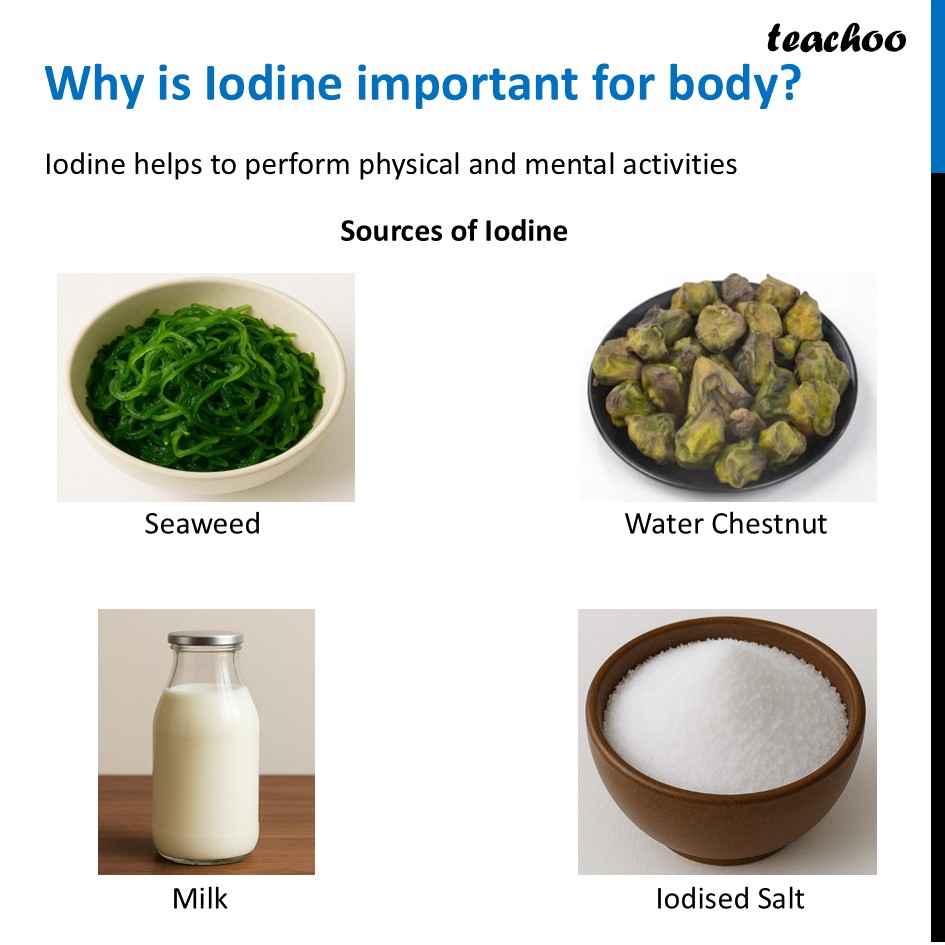
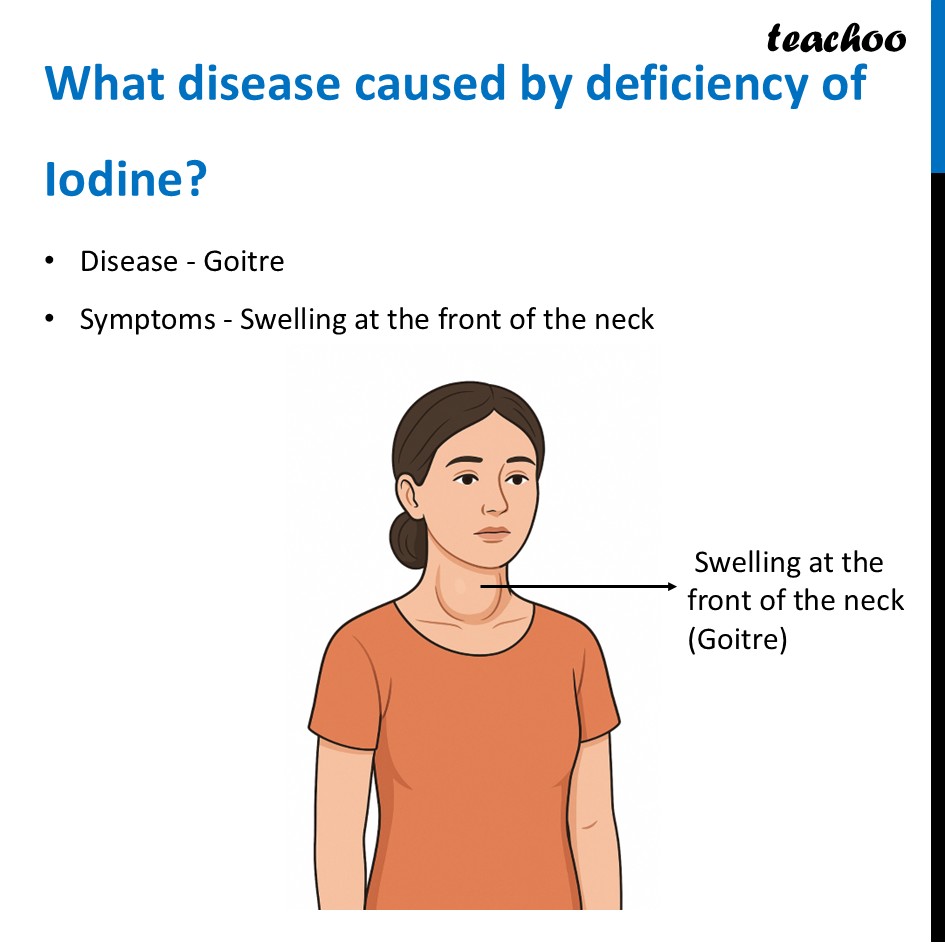
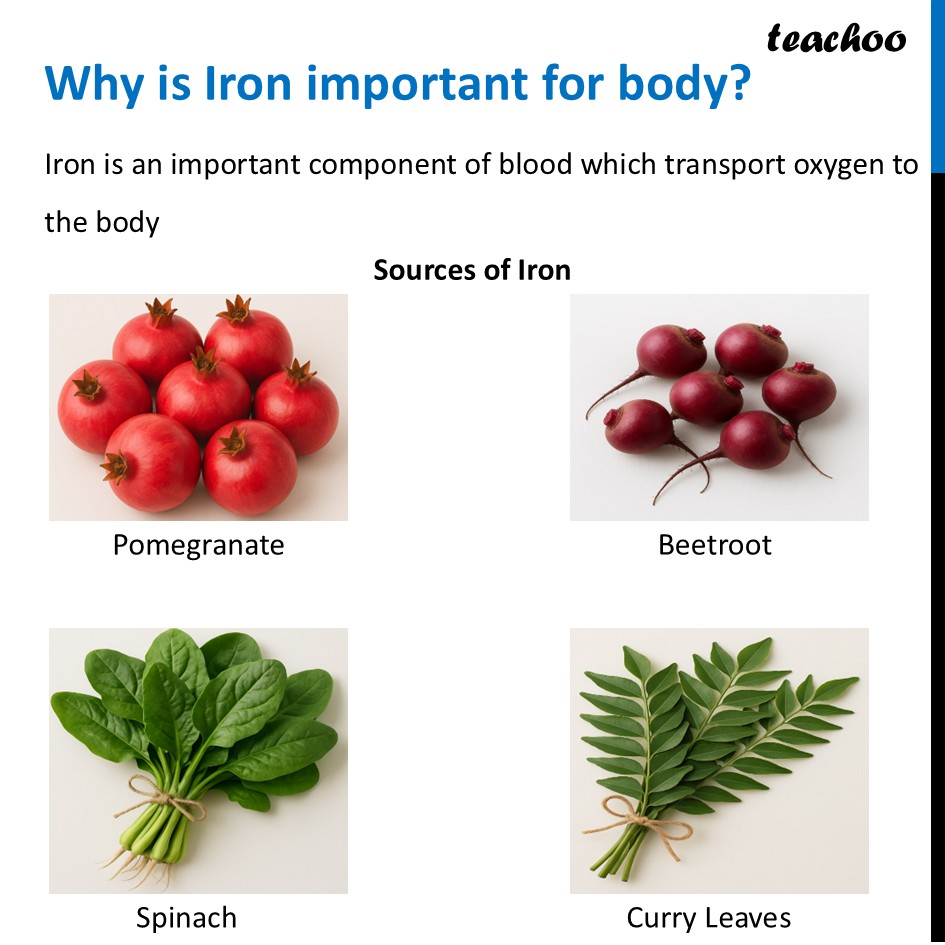
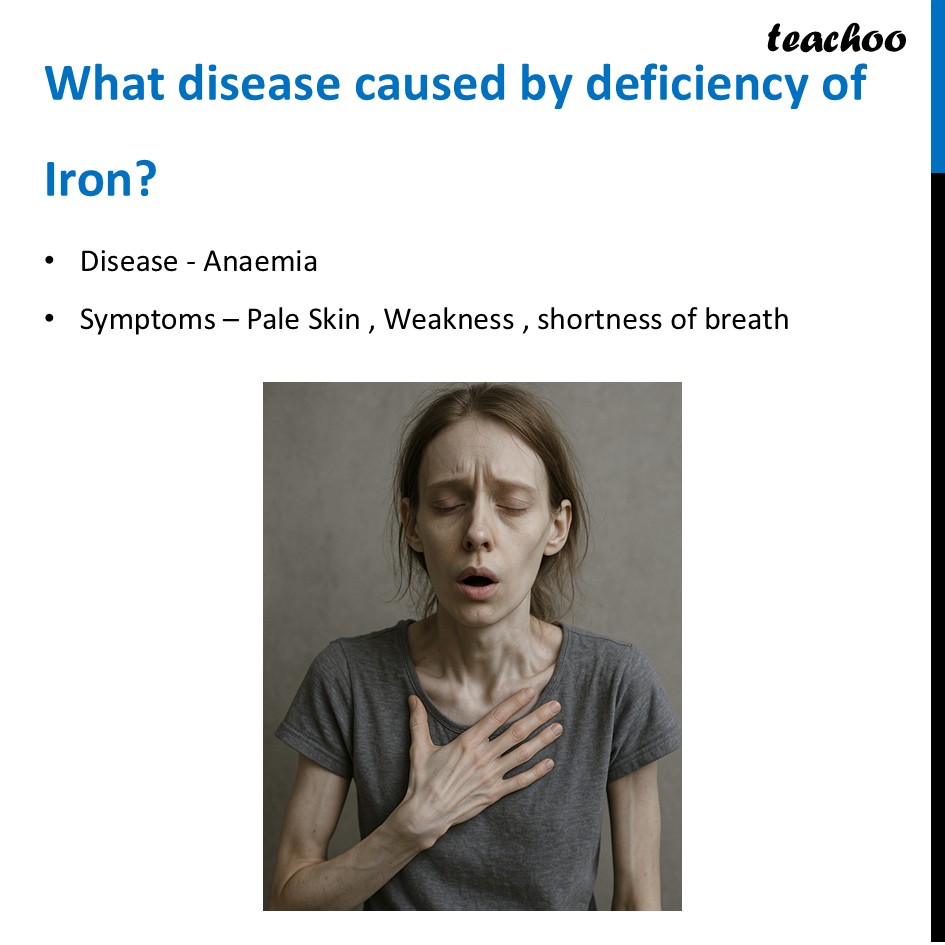
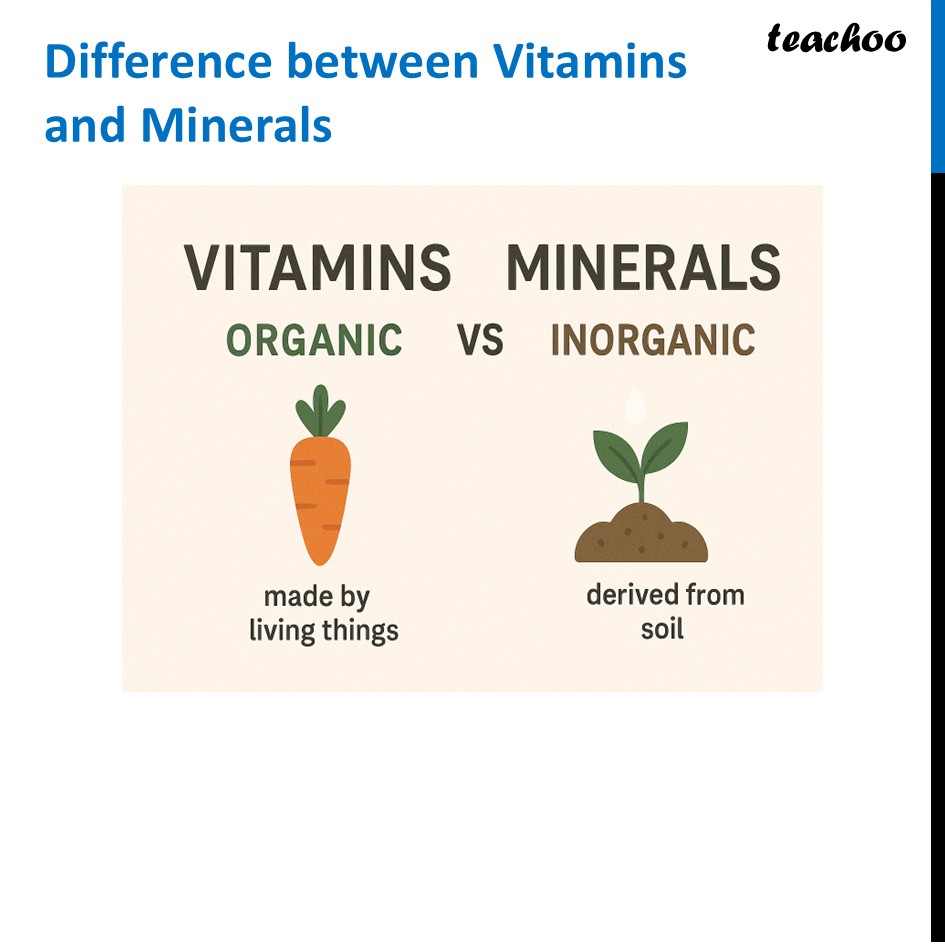
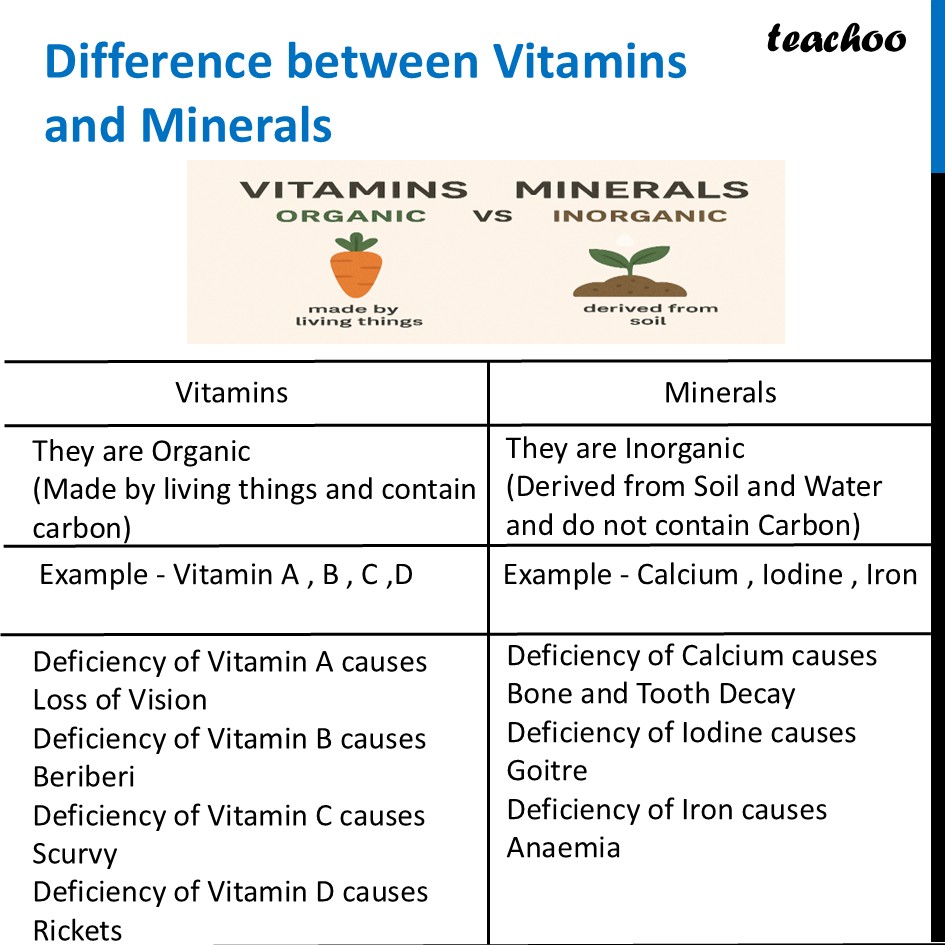
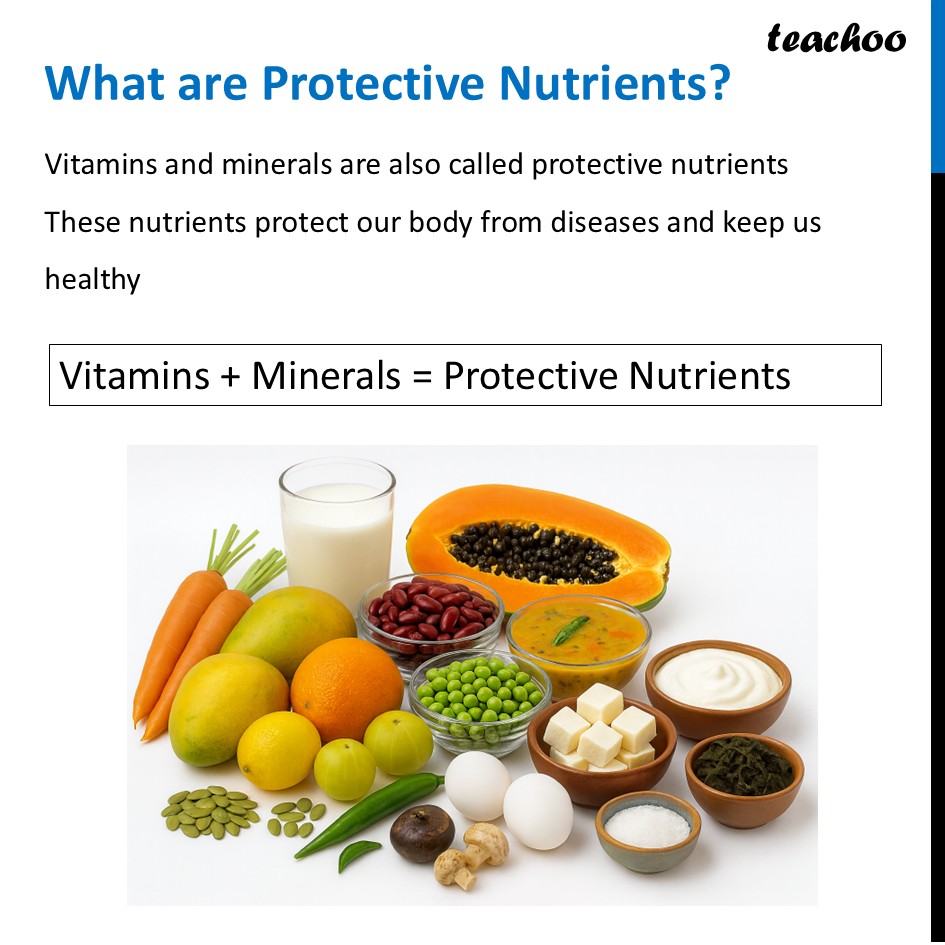
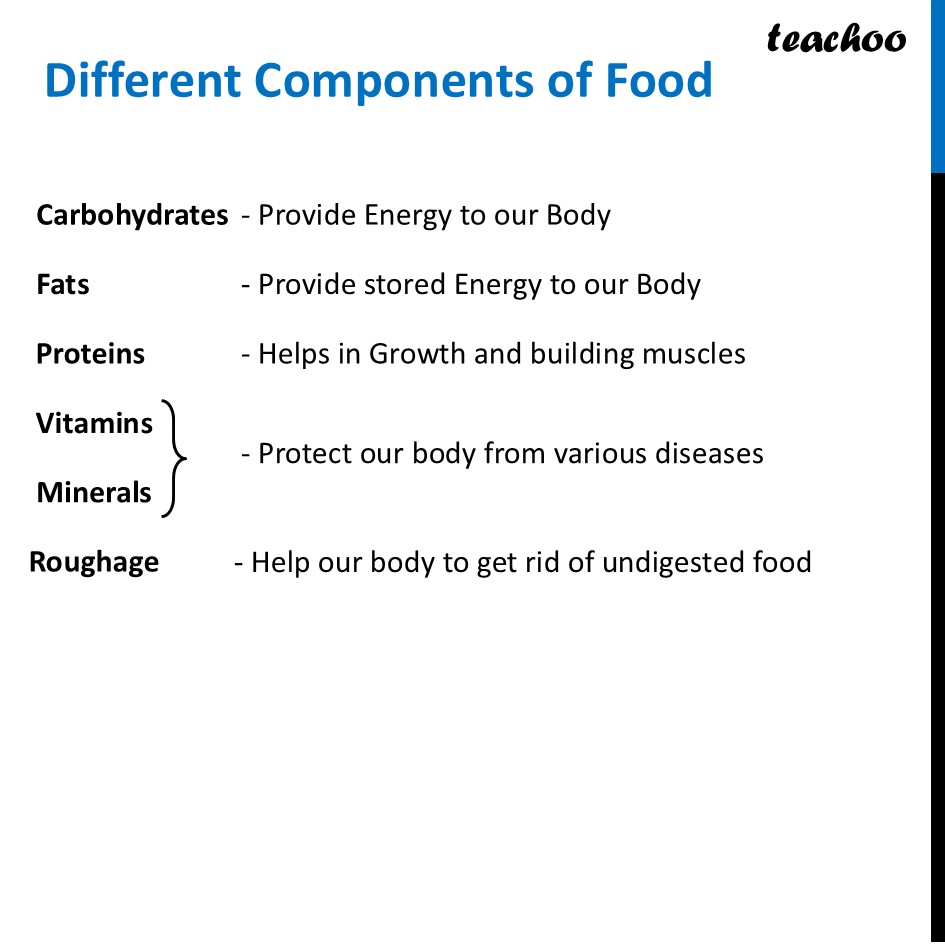
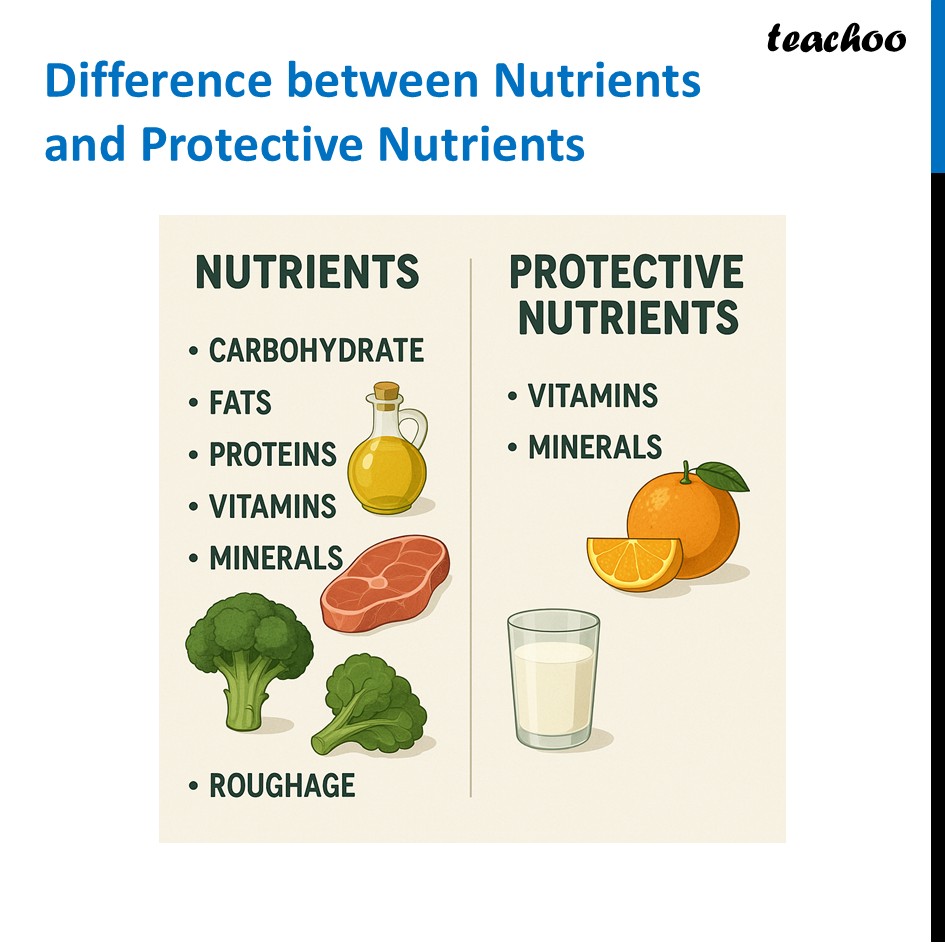
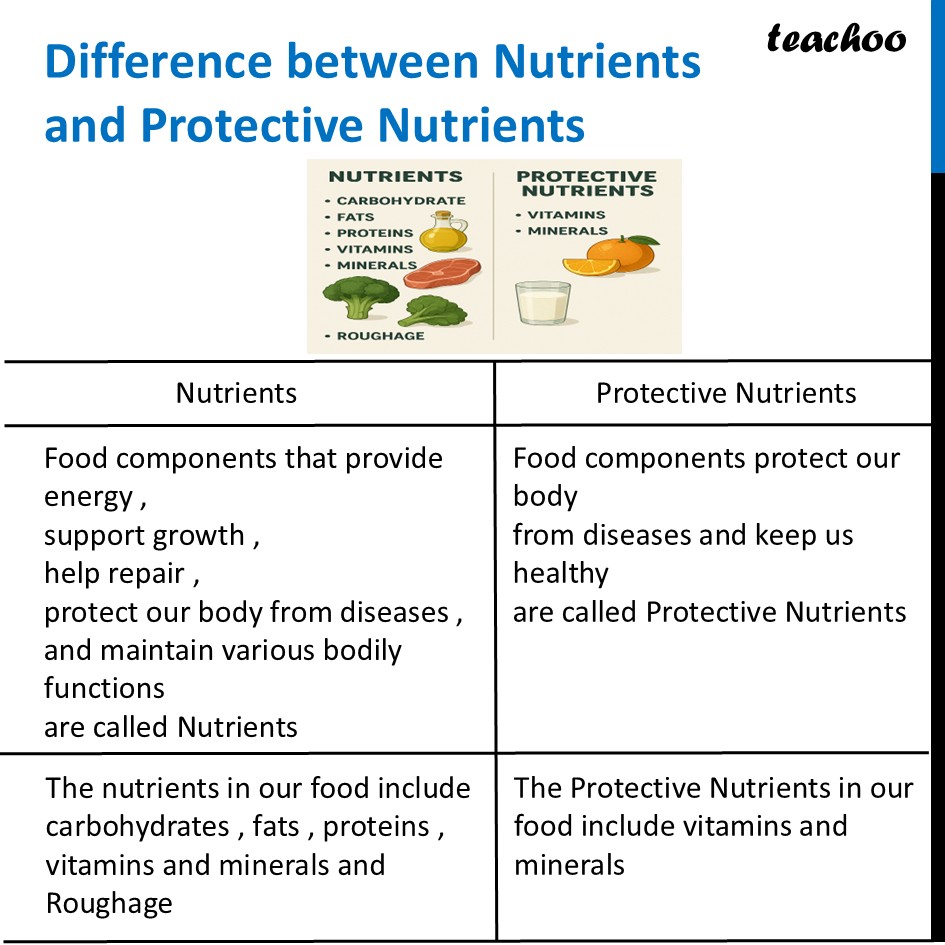
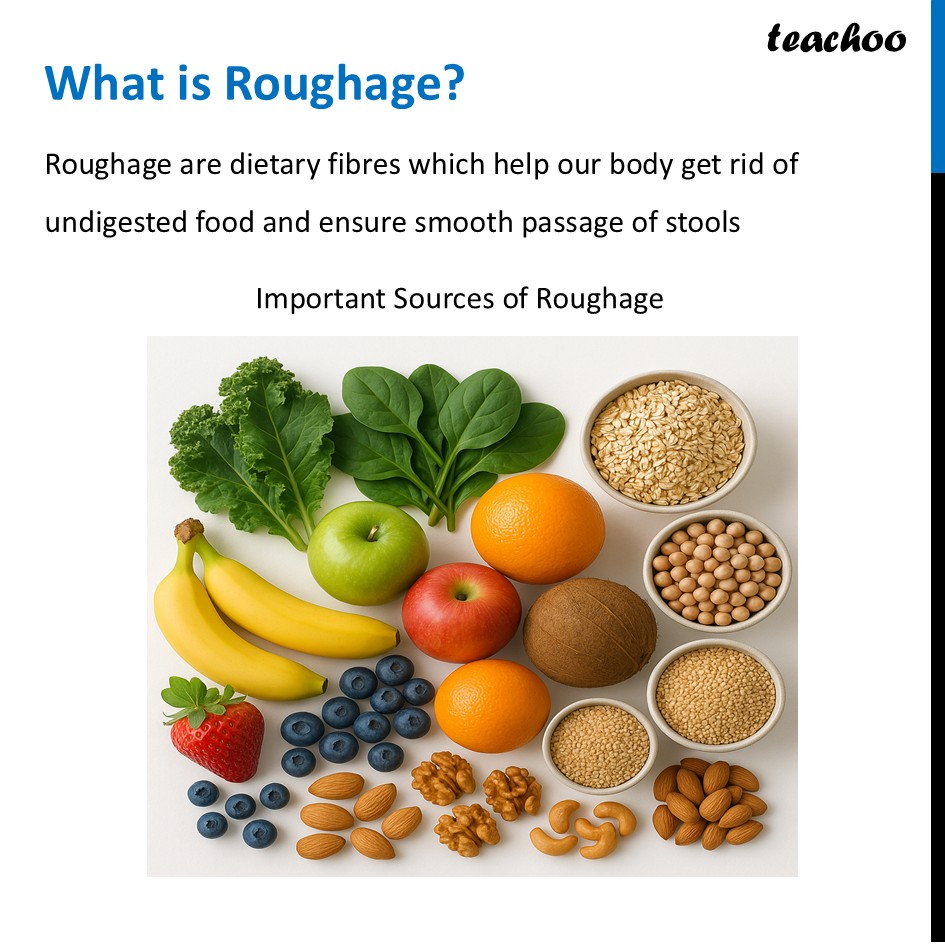
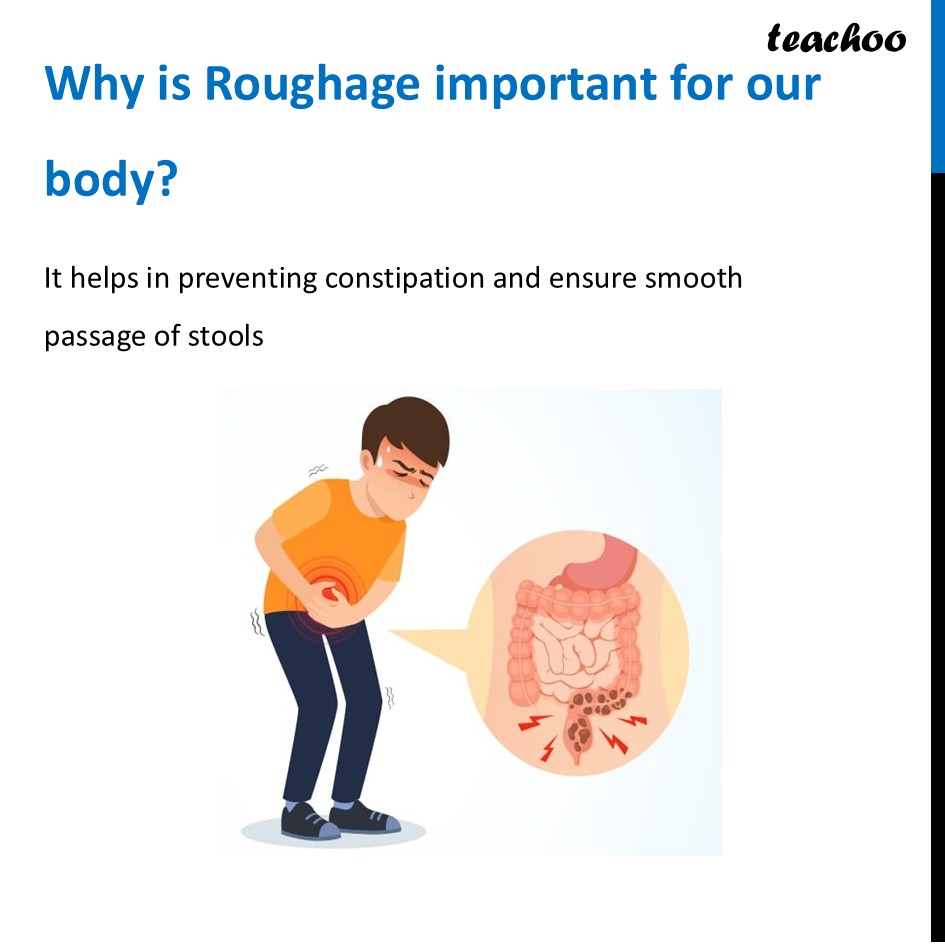
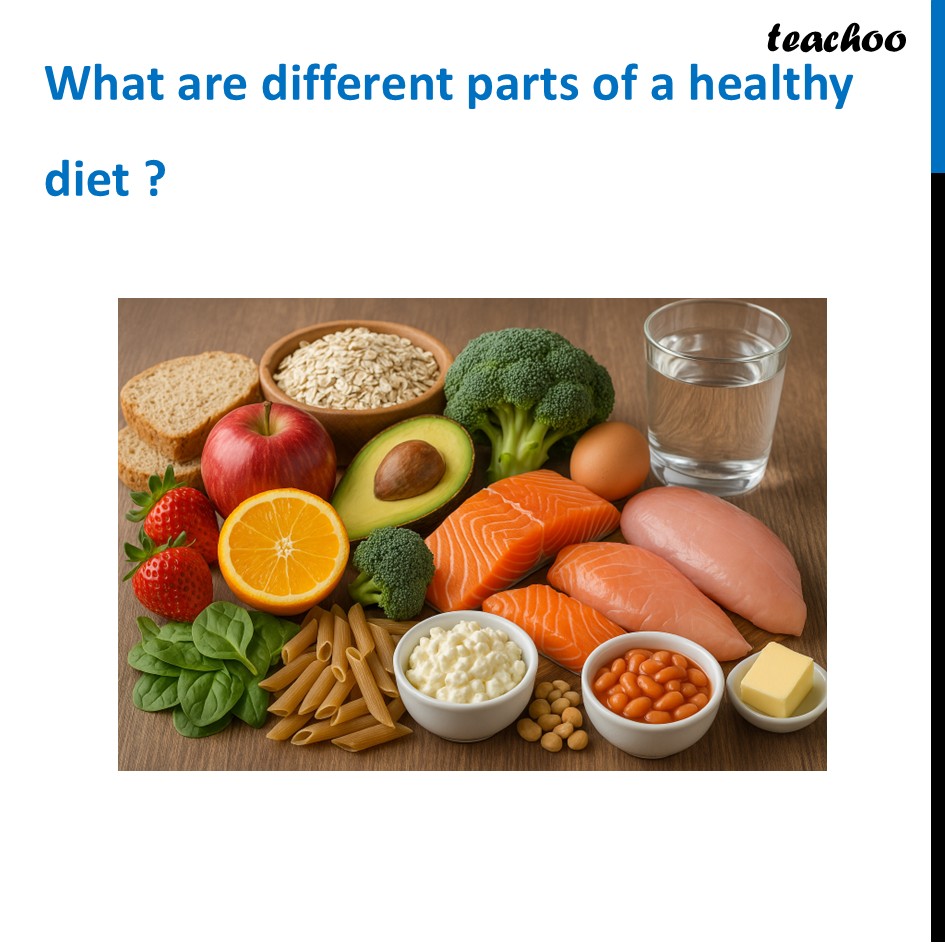
Different Component of Food Example 1 - North Indian Food Tomato , Lemon , Green Chilli (Vitamin C) Curd (Fats) Moong Dal (Proteins) Carrot (Vitamin A) Edible Mushroom (Vitamin D) Rice (carbohydrates and Vitamin B) Butter (Fats) Roti (Carbohydrates) Green Vegetables (Roughage) Different Component of Food Example 2 - South Indian Food Mustard Oil (Fat) Carrot (Vitamin A) Green Chilli (Vitamin C) Sambhar Tuar Dal (Proteins) Potato (Carbohydrates) Rice (Carbohydrates) Different Component of Food Example 3 - Roughage What are Different Components of Food ? Carbohydrates - Provide Energy to our Body Fats - Provide stored Energy to our Body Proteins - Helps in Growth and building muscles Vitamins Minerals - Protect our body from various diseases Roughage - Help our body to get rid of undigested food Lets learn about each in detail What are Carbohydrates?Carbohydrates provide Energy to our Body When we don’t eat Carbohydrates , we feel tired and less energetic Main Sources Other Sources Why do Marathon runners drink Glucose?Marathon Runners lose a lot of energy while running So they drink Glucose as it provides them Instant energy Glucose is a Carbohydrate which provides Instant Energy Why do Hospital Patients receive Glucose Drip?A patient receive glucose drip when the patient is dehydrated Glucose is a simple carbohydrate that can be easily absorbed by the body and provide instant energy What are Fats?Fats are nutrients which provide stored Energy to our Body Difference between Carbohydrates and FatsRoti (Carbohydrates) Desi Ghee (Fats) Carbohydrates Fats Give us instant energy Give us stored energy Found in foods like rice , bread , potatoes , sugar Found in foods like oil , butter , ghee, nuts Used up fast by the body Stored in the body for later use Why do we eat Besan Laddoos in Winters?Besan (Carbohydrates) Sugar (Fats) Nuts (Fats) Ghee (Fats) Goond (Edible Gum) (Proteins , Vitamins , Minerals) Nutrients Energy Increase of Temperature in Body We do not feel Cold What are Energy Giving Foods?Energy - Giving Foods are those foods who provide us energy for performing various activities They are of 2 types Carbohydrates - provide instant energy to our body Example - Wheat , Rice Fats - provide stored energy to our body Example - Ghee , Nuts Carbohydrates + Fats = Energy Giving Foods Why do Polar bears accumulate so much fat in Skin?Polar bears accumulate a lot of fat under their skin. This fat serves as an energy source. It supports them during their months long winter sleep (hibernation), enabling them to survive without eating What are Proteins?Proteins are nutrients which helps in Growth and building muscles Plant Sources Animal Sources Why Proteins are called Body Building Foods?1. Growth of Cells In children, teenagers, and pregnant women, protein supports rapid growth 2. Building Muscles Athletes and people who exercise need extra protein for muscle strength and recovery Why do Growing children need more protein?Kid Hrithik Grown Up Hrithik They are still growing ( Not full Height yet ) Organs not yet fully Developed They are Grown Up (full Height) Organs fully Developed They need Extra Protein They do not need Extra Protein What are Deficiency Diseases?Deficiency diseases are health conditions caused by a lack of essential nutrients Lack of Vitamin A leads to Poor Vision Lack of Vitamin B leads to Beriberi Lack of Vitamin C leads to Scurvy Lack of Vitamin D leads to Rickets How to prevent Deficiency Diseases?Deficiency diseases happen when the body doesn’t get enough essential nutrients Prevention means eating and living in a way that covers all nutrient needs What are Vitamins?They are nutrients that protect our body from various diseases Important Vitamins for our body What is Vitamin A?A nutrient which keeps eyes and skin healthy Sources of Vitamin A What disease caused by deficiency of Vitamin A?Disease - Loss of Vision Symptoms - Poor vision, loss of vision in darkness (night blindness) , sometimes complete loss of vision What is Vitamin B?A nutrient which Keeps heart healthy , supports body to perform various functions . It forms red blood cells . Sources of Vitamin B What disease caused by deficiency of Vitamin B?Disease - Beriberi Symptoms - Swelling , tingling or burning sensation in feet and hands , trouble in breathing , Heart problems What is Vitamin C?A nutrient which helps body to fight diseases like bleeding gums and heals wounds . Sources of Vitamin C What disease caused by deficiency of Vitamin C?Disease - Scurvy Symptoms - Pale Skin , Sunken Eyes , Bleeding gums , slow healing of wounds What is Vitamin D?A nutrient which helps body absorb calcium for bone and teeth health . Sources of Vitamin D What disease caused by deficiency of Vitamin D?Disease - Rickets Symptoms - Soft and Bent Bones What are Minerals?Minerals are inorganic substances which protect our body from various diseases Important Minerals for our body Calcium Iodine Iron Milk Iodised Salt Pomegranate Why is Calcium important for body?Calcium keeps bones and teeth healthy Sources of Calcium What disease caused by deficiency of Calcium?Disease - Bone and Tooth Decay Symptoms - Weak bones , tooth decay Weak bones Tooth Decay Why is Iodine important for body?Iodine helps to perform physical and mental activities Sources of Iodine What disease caused by deficiency of Iodine?Disease - Goitre Symptoms - Swelling at the front of the neck Swelling at the front of the neck (Goitre) Why is Iron important for body?Iron is an important component of blood which transport oxygen to the body Sources of Iron What disease caused by deficiency of Iron?Disease - Anaemia Symptoms – Pale Skin , Weakness , shortness of breath Difference between Vitamins and MineralsDifference between Vitamins and MineralsVitamins They are Organic (Made by living things and contain carbon) Example - Vitamin A , B , C ,D Deficiency of Vitamin A causes Loss of Vision Deficiency of Vitamin B causes Beriberi Deficiency of Vitamin C causes Scurvy Deficiency of Vitamin D causes Rickets Minerals They are Inorganic (Derived from Soil and Water and do not contain Carbon) Example - Calcium , Iodine , Iron Deficiency of Calcium causes Bone and Tooth Decay Deficiency of Iodine causes Goitre Deficiency of Iron causes Anaemia What are Protective Nutrients?Vitamins and minerals are also called protective nutrients These nutrients protect our body from diseases and keep us healthy Vitamins + Minerals = Protective Nutrients Different Components of Food Carbohydrates - Provide Energy to our Body Fats - Provide stored Energy to our Body Proteins - Helps in Growth and building muscles Vitamins Minerals - Protect our body from various diseases Roughage - Help our body to get rid of undigested food Difference between Nutrients and Protective NutrientsDifference between Nutrients and Protective NutrientsNutrients Protective Nutrients Food components that provide energy , support growth , help repair , protect our body from diseases , and maintain various bodily functions are called Nutrients Food components protect our body from diseases and keep us healthy are called Protective Nutrients The nutrients in our food include carbohydrates , fats , proteins , vitamins and minerals and Roughage The Protective Nutrients in our food include vitamins and minerals What is Roughage?Roughage are dietary fibres which help our body get rid of undigested food and ensure smooth passage of stools Important Sources of Roughage Why is Roughage important for our body?It helps in preventing constipation and ensure smooth passage of stools What are different parts of a healthy diet ?Why is Water important for our body?Water helps the body absorb nutrients from food . It removes waste from the body through sweat and urine . We should drink sufficient water regularly to keep ourselves healthy .
